What does PSA stand for?
What it means
PSA stands for Professional Sports Authenticator. It is a third-party grading service that assigns a numerical grade to trading cards, verifying both their authenticity and physical condition. The grading scale typically runs from 1 (Poor) to 10 (Gem Mint). This grade is a quantifiable measure of the card's preservation, assessing factors like corner sharpness, centering, surface flaws, and edge wear. For the market, the PSA grade is not just a descriptor; it is a standardized, verifiable asset classification. It functions as a quality assurance certificate, replacing subjective condition reports.
What it does to price
The numerical grade directly dictates market value. A card graded PSA 10 (Gem Mint) will command a significant premium over the same card ungraded, or even compared to a lower-graded version. Generally, the jump from a PSA 9 to a PSA 10 can result in a 50% to 300%+ increase in realized value, depending on the card's rarity. For a mid-tier, popular rookie card, a PSA 10 might fetch 2x to 4x the price of a raw (ungraded) copy. Conversely, a card graded PSA 1 or 2 will see its value drop drastically, often to less than 10% of its potential raw value due to severe damage.
How to spot it
Authentic PSA slabs feature a unique, tamper-evident plastic holder containing the card and a corresponding certification label. The label displays the card's image, the assigned grade, and a unique certificate number. Common fakes involve poorly printed labels or incorrect hologram placement. A common honest mistake is confusing PSA with other grading services (e.g., BGS or SGC); these use different grading scales and packaging. When purchasing, request high-resolution photos of the slab corners and the certification label to verify the number against PSA’s online database.
Buying smart
Paying a premium for a PSA grade is worthwhile when the card is a high-value, blue-chip investment piece (e.g., top-tier rookie cards) where condition is the primary driver of scarcity. For common or low-value cards, the cost of the slab and grading fee often outweighs the marginal value increase. A fair deal involves comparing the PSA-graded price against the average realized price of that specific card in the PSA 9 and PSA 10 grades. If a PSA 9 is priced nearly the same as a PSA 10, the premium is unjustified.
Selling smart
When listing, the PSA certification is the primary value driver. The listing title must explicitly state the grade (e.g., "PSA 10 [Card Name]"). The single most valuable asset in the listing is the clear, high-resolution photograph of the entire graded slab, showing the grade number prominently. This photo acts as the verifiable proof of quality, allowing the seller to command the top-tier market price. Without the visible PSA label, the item is merely a card; with it, it is a certified asset.
On eBay right now
Current asking prices from live listings — not sold-comp medians.

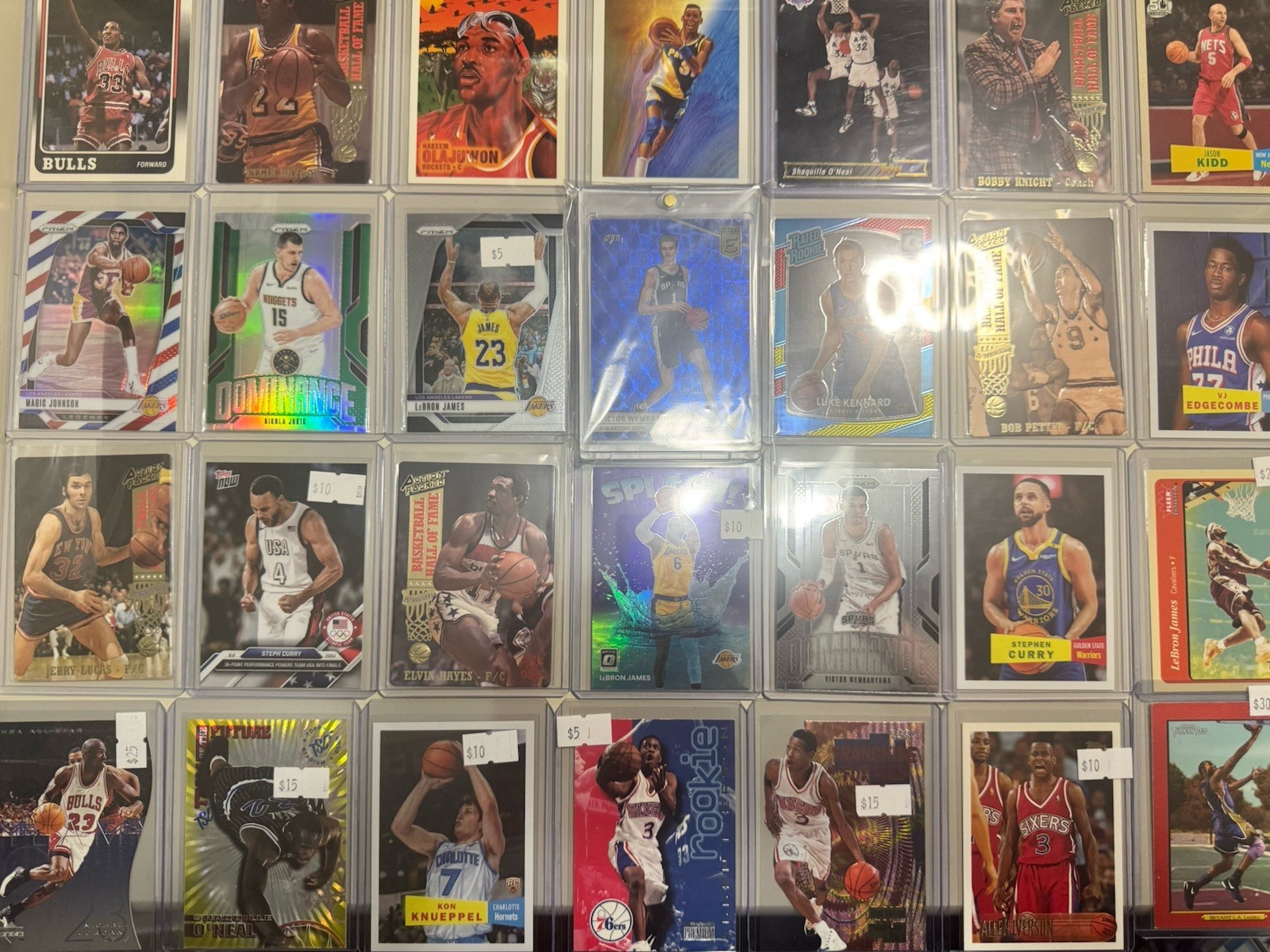
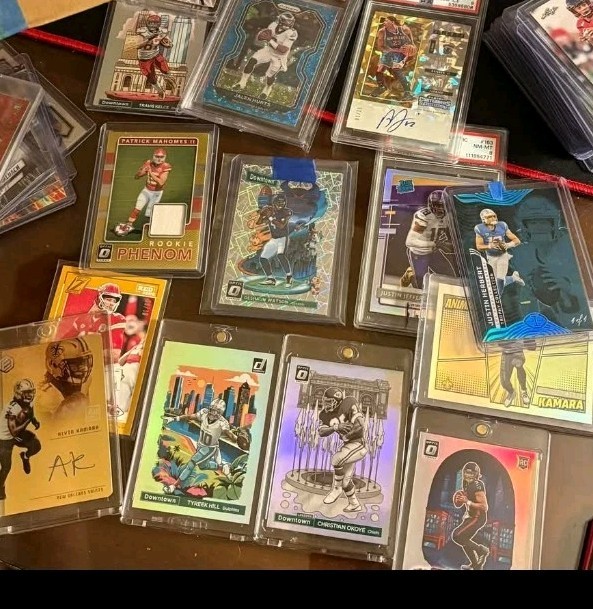


eBay links are affiliate links: JunkPal may earn a commission at no cost to you.
Resale values related to PSA
Shop PSA on eBay ↗






JunkPal may earn a commission when you buy through eBay links, at no extra cost to you.
What’s worth the most
Ranked on medians of real closed eBay sales, not asking prices.