What does “promo” mean?
What it means
A "promo" card is a trading card distributed by the manufacturer outside of regular retail distribution channels. This distribution is tied to a specific marketing event, partnership, or purchase incentive. Unlike standard release cards, promos are defined by their origin story. The context—e.g., a specific convention, a limited-time retailer giveaway, or a cross-brand collaboration—is integral to its identity. It is not merely a variant; it is an artifact of a specific marketing action. The mainstream equivalent is a "special edition" or "giveaway item," but the specific scarcity linked to the promotion is the key differentiator in the collecting market.
What it does to price
Promo status introduces volatility to pricing. A standard release card might sell loose for \$10. A sought-after, scarce promo version of that same card can easily fetch 3x to 10x that price, depending on the promotion's perceived exclusivity. A CIB (Complete In Box) promo version often commands a 1.5x to 2.5x premium over a loose version, provided the packaging is verifiable. Price depreciation occurs if the promotion was widely distributed (e.g., a major retailer giveaway) versus if it was hyper-limited (e.g., a single-day convention drop). For example, a common, mass-market promo might only sell for \$15, while a true, verifiable, limited-run event promo of the same card could sell for \$75.
How to spot it
Identifying a promo requires looking beyond the card art. Check for unique identifiers: specific text printed on the card referencing the event or partner, non-standard card stock, or unique numbering schemes. Retail packaging differences are key; promos often lack standard UPC codes or have specific "Promo" stamps on the sleeve or card itself. When purchasing online, request high-resolution photos of the edges and the back of the card. Be wary of "factory mistakes" presented as promos; these are usually errors, not intended scarcity. The most common mistake is mistaking a standard, regional print run for a true, limited-run event promo.
Buying smart
Paying a premium for a promo is justified only when the scarcity is verifiable and the promotion has cultural or historical significance within the collecting community. If the promotion was a massive, low-effort giveaway, the premium is likely inflated. A fair deal involves the asking price reflecting the *difficulty* of acquisition, not just the card's baseline value. If a card is listed at 5x its standard value, the seller must provide undeniable proof of its limited run (e.g., documented event attendance lists or manufacturer confirmation). If the documentation is weak, the premium should be capped at 1.5x to 2x.
Selling smart
To maximize resale, the listing must clearly establish the card's provenance. Simply stating "Promo" is insufficient. The listing must specify *what* promotion it is (e.g., "2022 Comic-Con Exclusive," "Brand X Partnership Card"). The single most valuable piece of evidence is a photo showing the card alongside the original promotional material or packaging, if available. Adding a brief, factual description of the promotion's limitations (e.g., "Distributed to the first 100 attendees") immediately validates the scarcity and justifies a higher price tier.
On eBay right now
Current asking prices from live listings — not sold-comp medians.

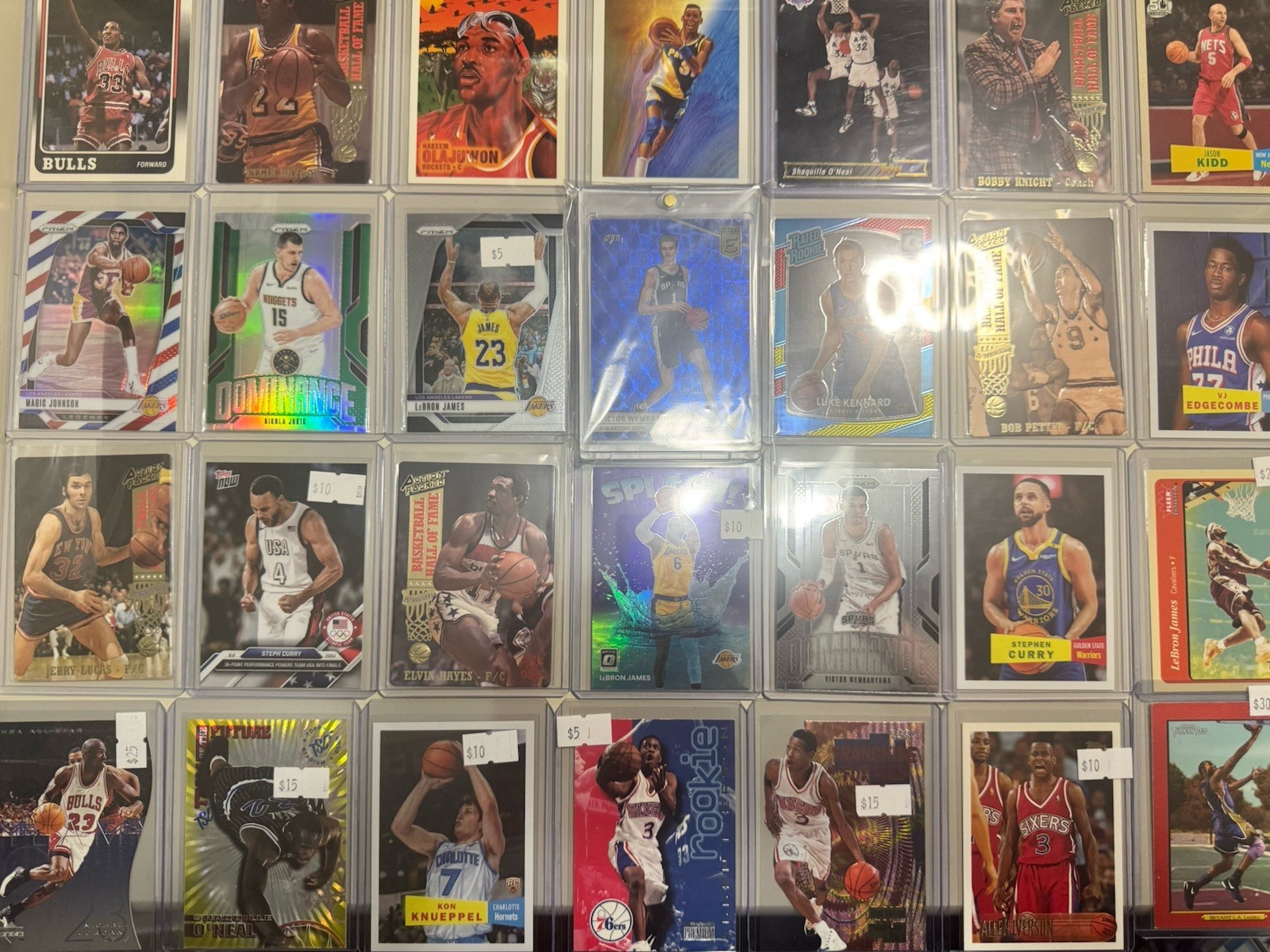
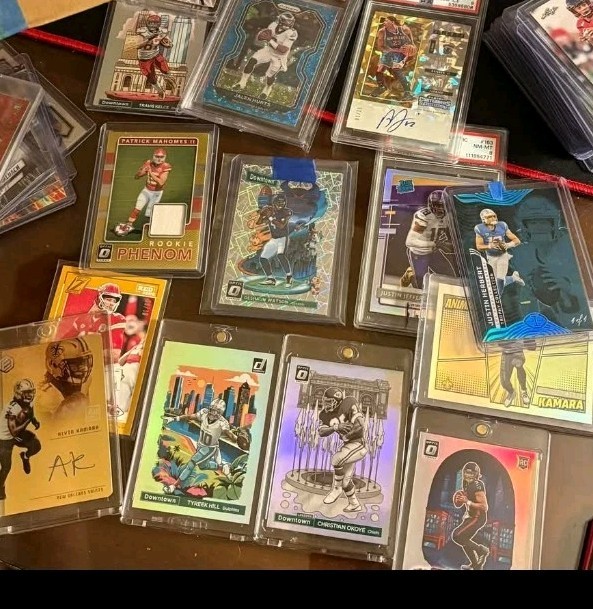


eBay links are affiliate links: JunkPal may earn a commission at no cost to you.
Resale values related to promo
Shop promo on eBay ↗



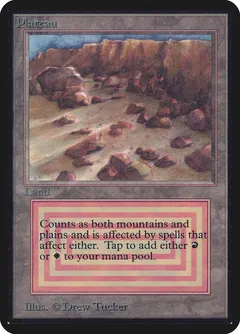


JunkPal may earn a commission when you buy through eBay links, at no extra cost to you.
What’s worth the most
Ranked on medians of real closed eBay sales, not asking prices.