What does “pristine” mean?
What it means
Pristine in trading cards denotes a card in mint or near-mint condition, representing the highest achievable grade short of factory-sealed perfection. It moves beyond simply "excellent." A pristine card exhibits zero visible wear: corners must be sharp, edges must be crisp, and the surface must be flawless, free from scuffs, print lines, or surface abrasions. Color saturation must be vibrant, with no evidence of fading due to UV exposure. This is the absolute peak of preservation. Mainstream equivalent: Mint condition.
What it does to price
The jump from high-grade (e.g., Near Mint) to pristine is significant, often representing a 50% to 200%+ premium depending on the card's rarity and market demand. For a high-value, sought-after chase card, the difference between a high-grade copy and a certified pristine copy can easily exceed $1,000. Minor surface imperfections—even a pinprick or slight edge whitening—will immediately drop the valuation into the "Gem Mint" or "Near Mint" tiers, causing a steep price correction.
How to spot it
Visual inspection is key. Examine the card under bright, direct light for microscopic scratches or print registration errors. Corners must be perfectly square; any rounding or chipping is a disqualifier for pristine status. For modern prints, check the holo-foil alignment and color consistency across the entire surface. Sellers must provide high-resolution, focused photos of all four corners and the card surface under natural light. Common pitfalls include accidental print defects (factory flaws) being mistaken for wear, or poorly handled cards that appear clean but harbor micro-scratches.
Buying smart
Paying a premium for pristine is justified only when the card is a blue-chip investment piece—a highly scarce, iconic, or high-demand card whose value is expected to appreciate significantly. If the card is mid-tier or has a limited secondary market, the premium may not yield adequate returns. A fair deal involves the seller providing third-party grading (PSA, BGS, CGC) or providing photographic evidence that matches the described condition perfectly. If the asking price is significantly higher than graded sales for similar cards, caution is warranted.
Selling smart
The primary method for proving pristine status to buyers is third-party grading. A PSA 10 or BGS 9.5/10 is the definitive proof. If selling raw (ungraded), the listing must include multiple, extremely high-resolution photos taken in controlled lighting, specifically zooming in on the corners and surface to demonstrate lack of wear. The word "Pristine" in the title must be backed up by evidence; otherwise, buyers will assume the term is marketing fluff, and the price will reflect a lower, riskier condition.
On eBay right now
Current asking prices from live listings — not sold-comp medians.

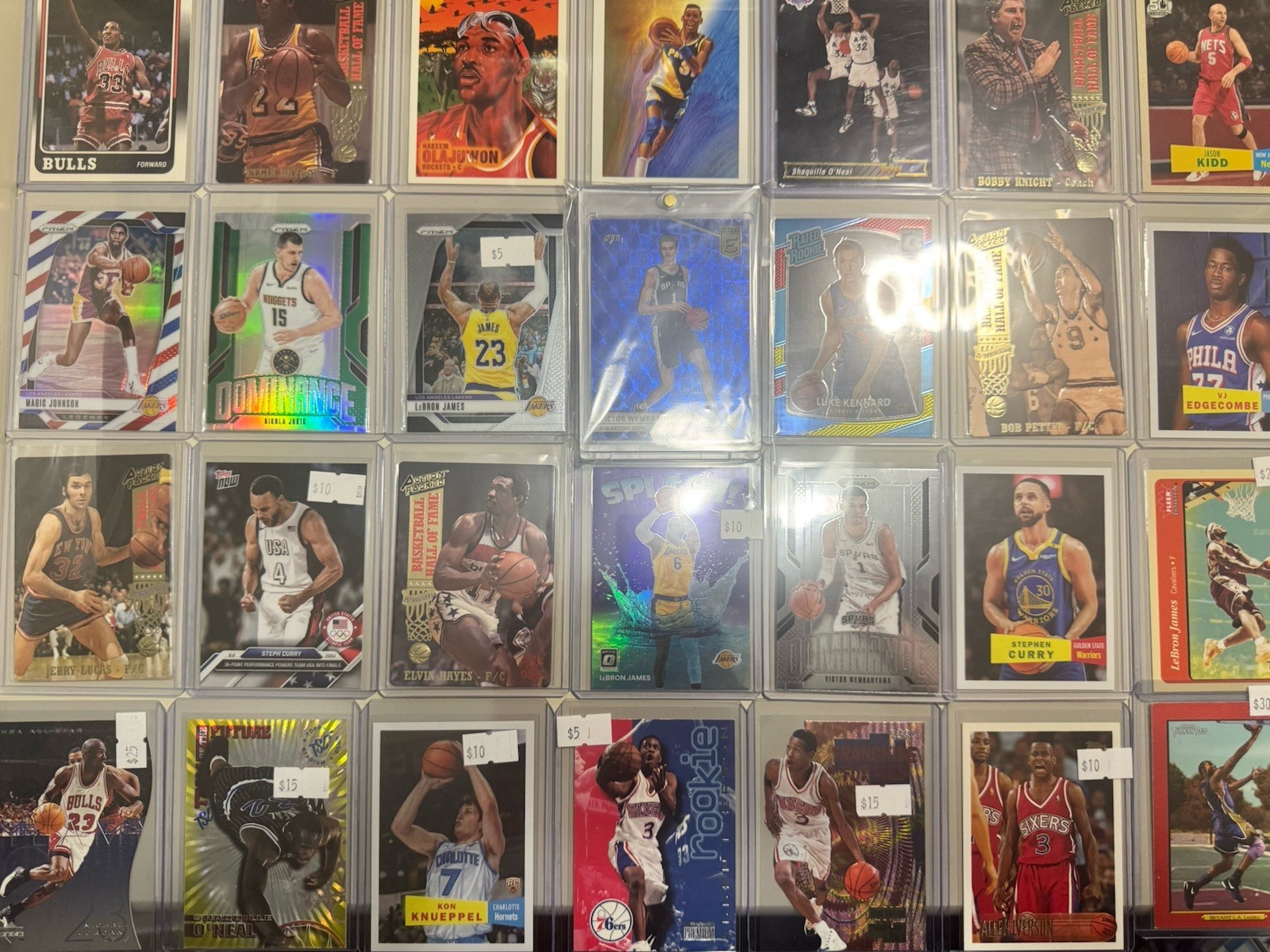
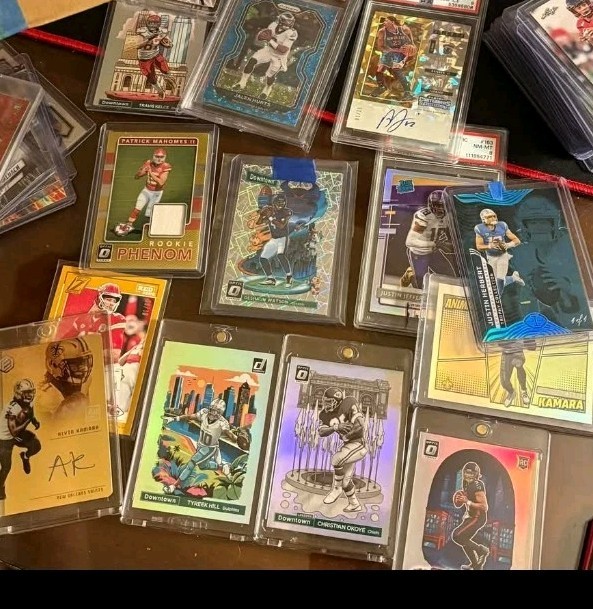

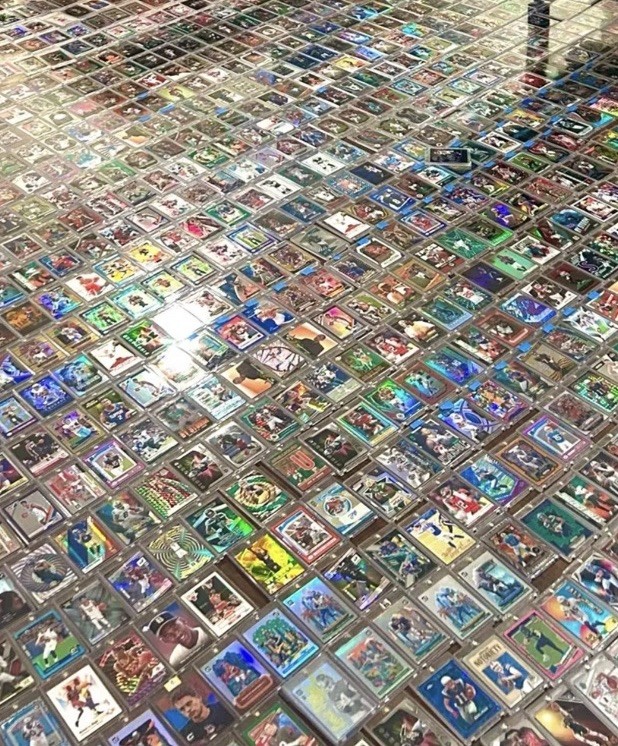

eBay links are affiliate links: JunkPal may earn a commission at no cost to you.
Resale values related to pristine
Shop pristine on eBay ↗



JunkPal may earn a commission when you buy through eBay links, at no extra cost to you.
What’s worth the most
Ranked on medians of real closed eBay sales, not asking prices.