What does “print run size” mean?
What it means
Print run size is the total quantity of a specific trading card or set manufactured by the company. It is the manufacturer's initial production volume. This metric directly correlates with scarcity. A smaller print run means fewer copies were made, increasing the inherent rarity of the card. A larger print run means more copies exist in circulation, decreasing scarcity. This concept is the direct driver of collectible value in the trading card market. The mainstream equivalent is 'production volume.'
What it does to price
Scarcity, dictated by print run size, creates concrete pricing tiers. Cards from very limited, small runs (e.g., under 10,000 copies) can command 5x to 20x the price of a standard, high-volume release, assuming condition is equal. Conversely, cards from massive runs (e.g., over 500,000 copies) are priced closer to their base market value. For example, a common chase card from a massive print run might sell for $1.50 loose, while the same card from a verified, ultra-low print run might sell for $45.00 loose. The difference is purely scarcity-based.
How to spot it
Direct print run numbers are often proprietary and rarely advertised. Identification relies on secondary evidence. Look for specific edition markers, serial numbering (e.g., /100), or unique holographic/foil variations that indicate limited production. Sellers should provide production documentation if available. A common mistake is confusing 'limited edition' (a marketing term) with a verifiable, low print run. Always request high-resolution images of the back of the card, looking for any subtle production stamps or numbering that confirms scarcity claims.
Buying smart
Paying a premium based on print run size is justified when the scarcity is verifiable and the card is in high grade (PSA 9 or higher). If a card is listed as "rare" due to a small run, but the seller cannot provide any supporting evidence beyond a vague claim, the premium is speculative risk. A fair deal involves the premium being proportional to the verifiable scarcity—a 5x premium for a confirmed 1/500 run is reasonable; a 5x premium for an unverified "rare" card is overpaying.
Selling smart
Proving the print run size in a listing immediately shifts the item from a standard collectible to a scarcity investment piece. Buyers pay a premium for certainty. The single most effective element to earn this premium is a photograph clearly displaying the verifiable edition marker or serial number, ideally with the card held next to a ruler for scale. Stating "Verified Low Print Run: /500" is more powerful than simply writing "Rare." This documentation moves the item from subjective opinion to objective asset valuation.
On eBay right now
Current asking prices from live listings — not sold-comp medians.



eBay links are affiliate links: JunkPal may earn a commission at no cost to you.
Resale values related to print run size
Shop print run size on eBay ↗


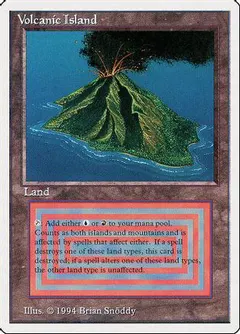
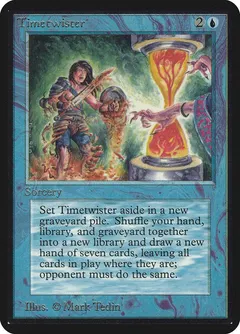
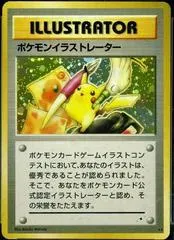
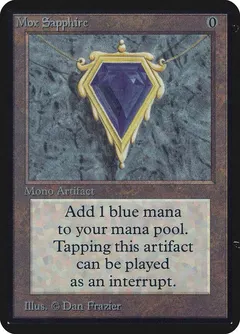
JunkPal may earn a commission when you buy through eBay links, at no extra cost to you.
What’s worth the most
Ranked on medians of real closed eBay sales, not asking prices.