What does “print run” mean?
What it means
Print run is the total quantity of a specific trading card variant manufactured by the company. This is the absolute number of copies released for a particular card, set, or parallel. It is the manufacturer’s production volume. While the short definition is accurate, the focus needs to be on *known* vs. *estimated* run size. Some cards have documented, official print runs (e.g., a limited promotional insert). Others only have estimates based on market saturation or production runs of the entire set. For collectors, this metric directly quantifies scarcity. A low print run means fewer units exist relative to demand; a high print run means many units exist.
What it does to price
Print run acts as a primary scarcity multiplier. A card from a documented, extremely low print run (e.g., under 500 copies) can command a price 5x to 10x higher than a common variant of the same card, assuming condition is equal. Conversely, a card with an estimated print run exceeding 100,000 copies will rarely break into high-end investment tiers unless the card itself is exceptionally desirable (e.g., a rookie card). For example, if a common card sells for $10 loose, a verifiable 1/100 print run parallel might sell for $150-$300, representing a 15x to 30x premium based purely on documented scarcity.
How to spot it
Spotting the exact print run is often impossible without manufacturer documentation. Look for explicit indicators: "Limited Edition," "Numbered," or specific set inclusions that denote low volume. If a card is numbered (e.g., /50), the number is the direct indicator of the print run for that specific variant. For non-numbered cards, look for differences in card stock, foil patterns, or specific set codes that might correlate to a known, smaller distribution batch. When buying, always ask the seller if the print run is documented or if it is an estimate. Be wary of sellers claiming a low run without verifiable evidence.
Buying smart
Paying a premium based on print run is justified only when the run is demonstrably small (under 1,000 copies) *and* the card has high inherent desirability (e.g., a key rookie or chase parallel). If the card is aesthetically average, a large premium for a small run is speculative risk. A fair deal involves the premium being proportional to the scarcity factor. If a card is estimated at a massive run, the price should reflect its commonality, regardless of its artistic merit. If a card is documented as a 1/100, the price should reflect that verified rarity.
Selling smart
Proving the print run elevates a listing from a general sale to a specialized, high-value offering. If the card is numbered, the number must be front and center in the title and description. If the print run is known but unnumbered (e.g., a specific promotional insert known to be limited), state this clearly. The single most valuable addition to a listing is a photo showing the specific numbering or any unique identifying marker that confirms the scarcity claim. This documentation allows the buyer to immediately validate the scarcity premium, leading to faster, higher offers.
On eBay right now
Current asking prices from live listings — not sold-comp medians.

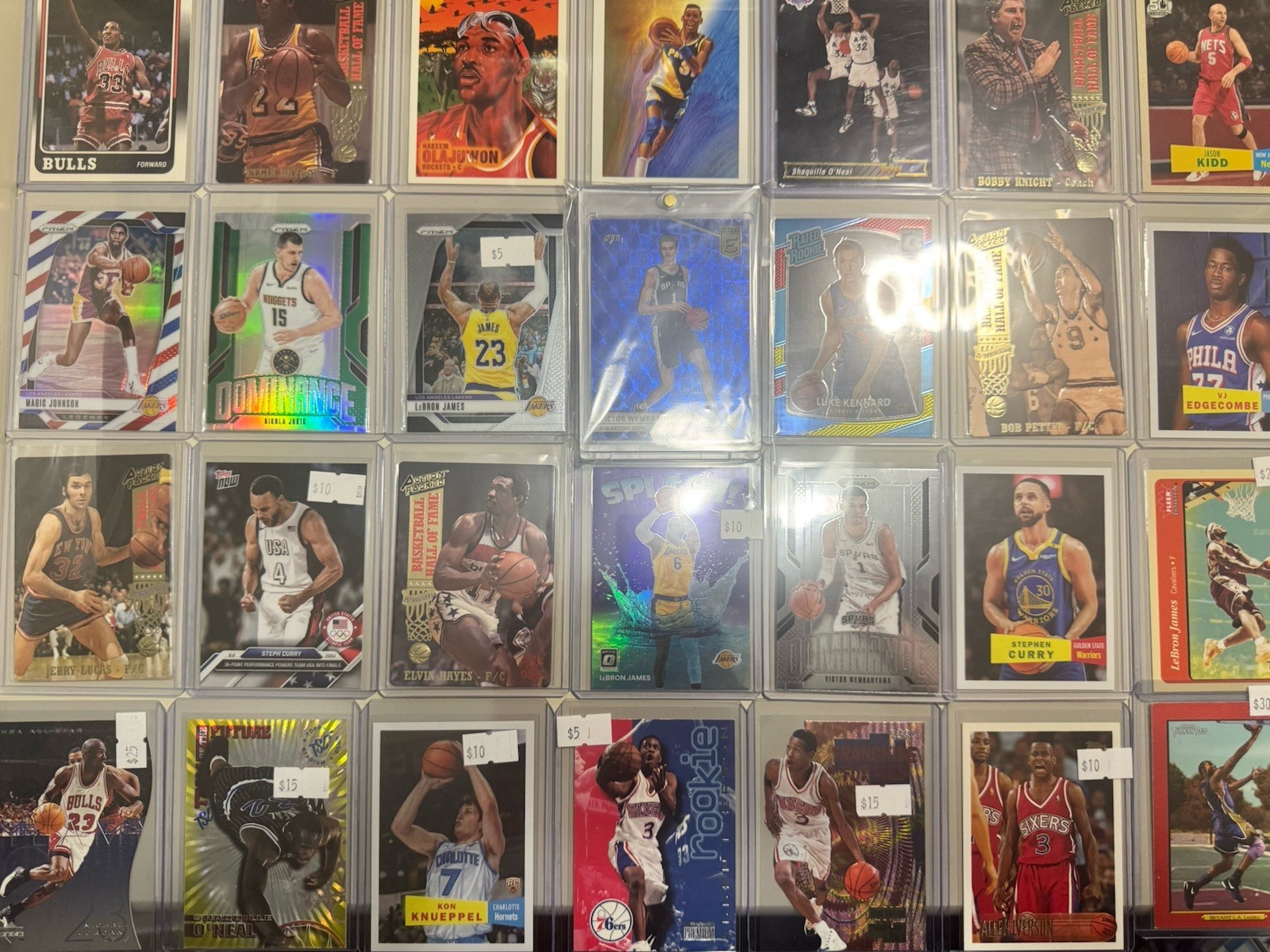
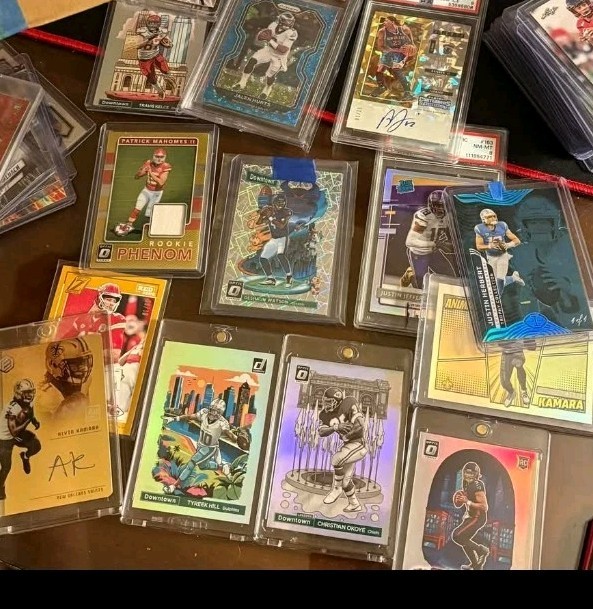


eBay links are affiliate links: JunkPal may earn a commission at no cost to you.
Resale values related to print run
Shop print run on eBay ↗

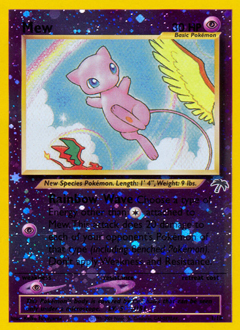
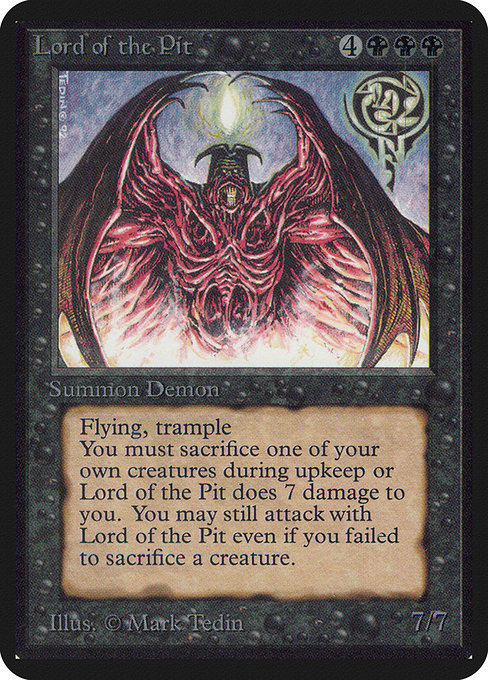


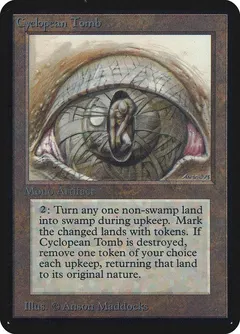
JunkPal may earn a commission when you buy through eBay links, at no extra cost to you.
What’s worth the most
Ranked on medians of real closed eBay sales, not asking prices.