What does “price guide” mean?
What it means
A price guide is a structured database or printed catalog detailing estimated market values for specific trading cards. It moves beyond simple condition grading to incorporate variables like rarity, set inclusion, and market demand. The term is the industry standard for establishing a baseline valuation. It is the direct equivalent of a commodity price sheet in other markets. These guides aggregate historical sales data, current listing averages, and expert consensus to provide a range, not a fixed number.
What it does to price
Price guides provide a framework for valuation, dictating multipliers based on condition and scarcity. A Near Mint (NM) card typically commands 3x the price of a Played (PL) copy of the same card. A card graded PSA 10 (Gem Mint) often sells for 5x to 15x the price of an ungraded Near Mint, depending on the card’s tier. Factors pushing prices up include short print runs, chase parallels, and high-profile player names. A card listed in a guide at $50, if found in a pristine, authenticated state, could easily realize $150 or more.
How to spot it
Reliable price guides are transparent about their data sources. Look for guides that differentiate between "Retail Ask" and "Recent Sold" data. The tells for a legitimate guide include detailed condition breakdowns (e.g., "Light Wear," "Mint," "Gem Mint") and explicit rarity tiers (e.g., "Base," "Insert," "Parallel"). When examining a card for a guide, sellers should provide high-resolution, edge-to-edge photos, including a clear shot of the card's identifying number or set symbol. Common mistakes involve sellers misrepresenting a common card as a rare parallel, or using outdated guides that do not reflect recent market spikes.
Buying smart
Paying a premium for a price guide subscription or reference tool is justified when dealing with high-value assets—cards valued over $100. For low-value, common cards, the time spent cross-referencing a guide rarely justifies the cost. A fair deal involves the asking price falling within the lower quartile of the guide's listed range for the card's stated condition. If a guide suggests a card should sell between $75 and $125, an asking price of $140 warrants immediate scrutiny regarding condition or authenticity.
Selling smart
Proving the card’s condition against the guide’s metrics directly translates to buyer confidence and higher bids. Listing a card with a photo explicitly showing the card under magnification, highlighting any minor flaws (scratches, whitening), anchors the price to the guide’s lower tiers. The single most effective word in a listing description is the precise grade, if authenticated (e.g., "PSA 9"). This word immediately moves the valuation from the general "Guide Estimate" to the specific, premium bracket associated with graded sales data.
On eBay right now
Current asking prices from live listings — not sold-comp medians.

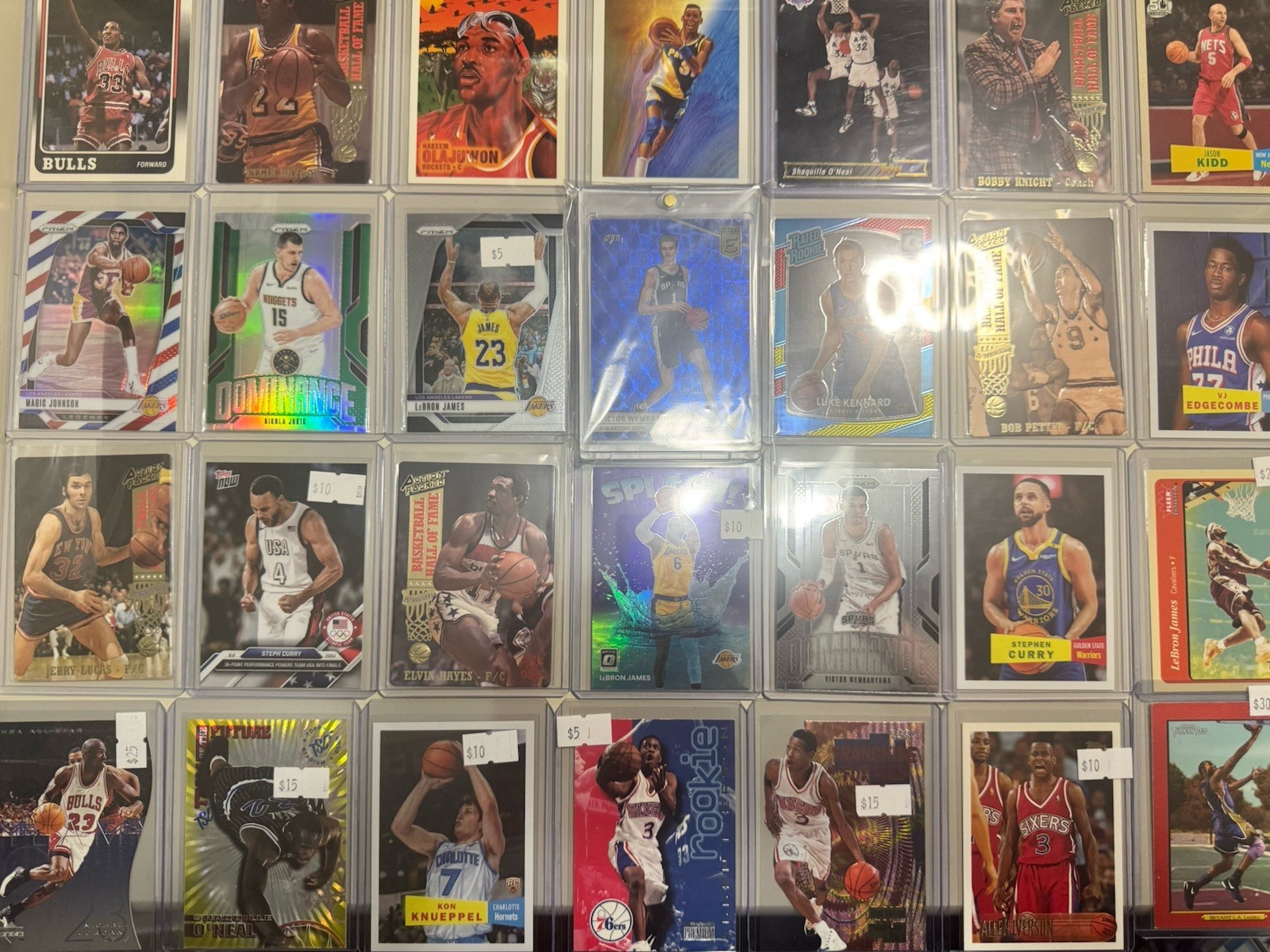
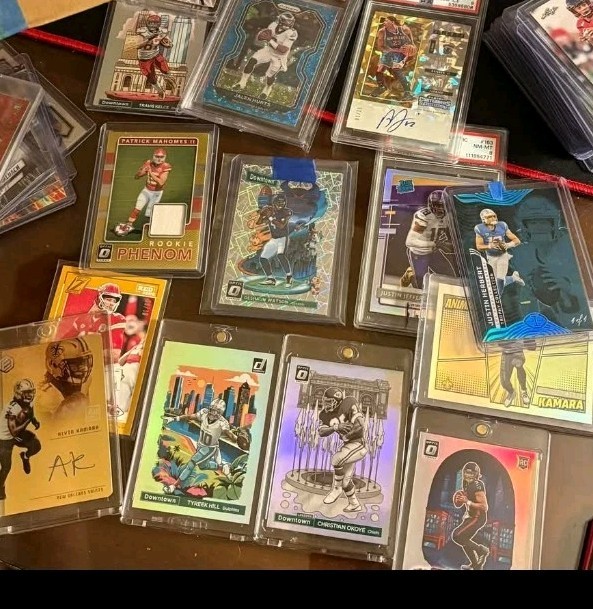

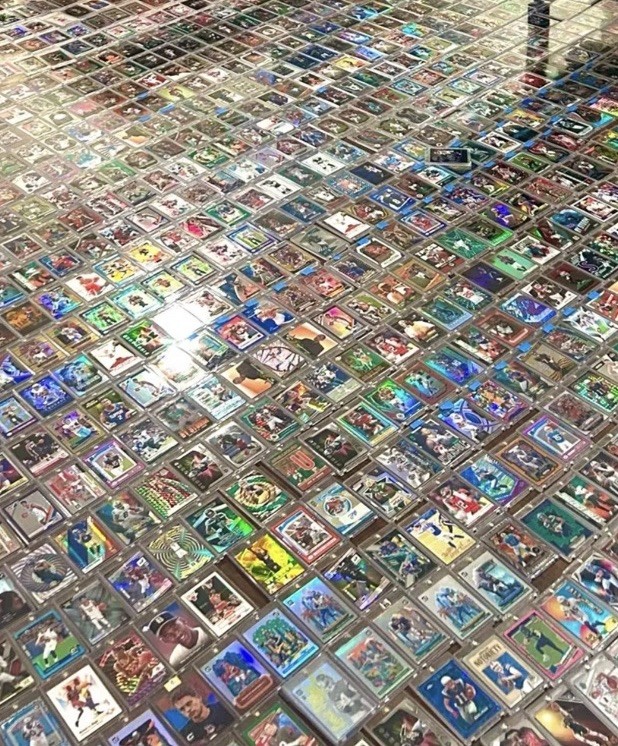

eBay links are affiliate links: JunkPal may earn a commission at no cost to you.
Resale values related to price guide
Shop price guide on eBay ↗



![Mysterious Girl Illyasviel SP (Fate/stay night [Heaven’s Feel])](/api/images/junkpal-products/tcgcsv/mysterious-girl-illyasviel-sp-205745-tcg/img0/thumb.webp)


JunkPal may earn a commission when you buy through eBay links, at no extra cost to you.
What’s worth the most
Ranked on medians of real closed eBay sales, not asking prices.