What does “premium card” mean?
What it means
A premium card is a trading card exhibiting characteristics that elevate it above standard production runs. This designation is not merely about aesthetic appeal; it denotes verifiable scarcity or exceptional preservation. Key differentiators include ultra-low print runs (e.g., 1/1s, serial-numbered parallels), extreme condition (e.g., PSA 10/BGS 9.5 or higher), or inclusion in highly coveted, short-print insert sets. The term acts as shorthand for "high-tier investment grade." The mainstream equivalent is "high-end collectible."
What it does to price
The premium status directly dictates market valuation. A standard, ungraded card might sell for $X; a comparable card graded PSA 10 can fetch 3x to 10x that price, depending on the card's base rarity. Minor flaws (e.g., slight edge wear, centering off by 5 degrees) can reduce a potential $500 premium card down to $200. Conversely, a verifiable, authenticated 1/1 card can command multiples of the entire set's value. For example, a common rookie card might sell for $10 loose, but the same card in a high-grade, numbered parallel might sell for $150.
How to spot it
Spotting premium status requires verification, not just observation. Look for specific edition markers (e.g., "Prizm Gold Refractor / 10"). Check the card back for specific numbering or unique design elements tied to limited releases. Sellers must provide high-resolution, unedited photos showing all four corners, the edges, and the front/back surface clearly. Common mistakes include misrepresenting a semi-parallel as a true parallel, or failing to disclose minor surface scratches that drastically affect grading potential.
Buying smart
Paying a premium is justified when the card's scarcity is proven and the grade is verifiable. If a card is ungraded and the seller claims it is a "Gem Mint" condition, the risk is too high; the premium is speculative. A fair deal involves a documented price comparison against recent sales of *graded* examples. If a PSA 9 version is listed at 75% of the price of a PSA 10 version, the deal is likely fair, assuming the physical card matches the grade. Avoid overpaying for unverified high-grade condition.
Selling smart
Proving the premium status is non-negotiable for maximizing returns. The single most valuable element in a listing is the official, high-grade slab photo from PSA, BGS, or SGC. This photo instantly validates the condition and scarcity claims, allowing the seller to command the top tier of market pricing. Listing the card as "Graded PSA 10" versus "Near Mint" can result in a difference of 50% or more in final sale price. Never list a premium card without its official certification visible.
On eBay right now
Current asking prices from live listings — not sold-comp medians.


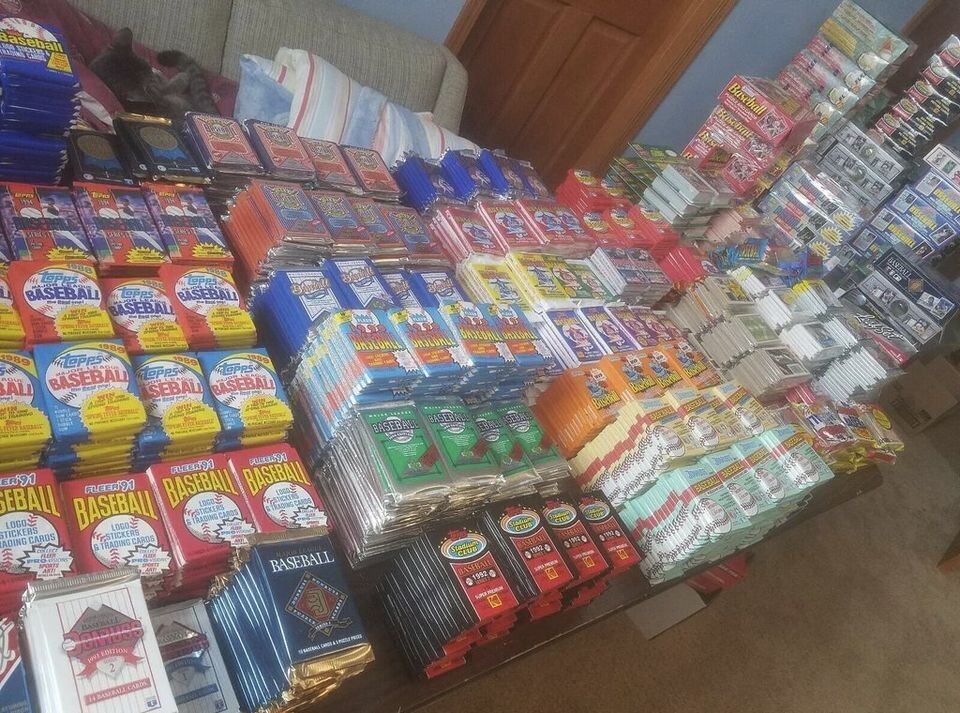


eBay links are affiliate links: JunkPal may earn a commission at no cost to you.
Resale values related to premium card
Shop premium card on eBay ↗![Jolteon [Tekno] #135](/api/images/junkpal-products/cards/jolteon-tekno-135-pokemon-2000-topps-chrome-card/img0/thumb.webp)
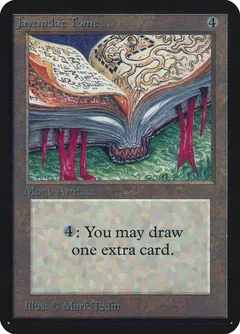




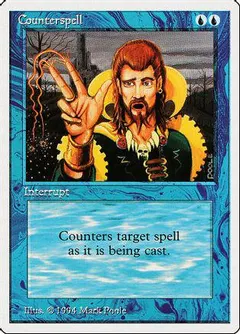
![Voltorb [Tekno] #100](/api/images/junkpal-products/cards/voltorb-tekno-100-pokemon-2000-topps-chrome-card/img0/thumb.webp)
JunkPal may earn a commission when you buy through eBay links, at no extra cost to you.
What’s worth the most
Ranked on medians of real closed eBay sales, not asking prices.