What does “pre-release pull” mean?
What it means
A pre-release pull is a trading card obtained before the product’s official market availability. This differs from standard promotional cards, which are often distributed alongside a product. Pre-release pulls originate from early production runs, test batches, or exclusive distribution channels targeting reviewers or industry insiders. The mainstream equivalent is an "early access" or "prototype" item. For collectors, this signifies verifiable scarcity because the card bypassed the standard retail supply chain.
What it does to price
Scarcity directly inflates value. A standard, mass-produced card might sell for $5 loose. A verifiable pre-release pull of the same card, especially if it's a chase variant, can fetch 3x to 10x that price depending on demand. Factors pushing value up include confirmed distribution logs (e.g., "Reviewer Sample Lot A") and low known circulation numbers. Factors pushing value down include unverified provenance or if the card was pulled from a general "display sample" rather than a true production test run. A common error is assuming any card from an early box is a pre-release pull; true pulls carry a distinct premium.
How to spot it
Identifying a true pre-release pull requires physical evidence. Look for unique, non-standard printing characteristics, such as slightly different card stock weight, unfinalized artwork proofs, or specific batch codes absent from retail packaging. Sellers must provide high-resolution photos of the card edges and any visible printing registration marks. Be wary of "mock-ups" or digitally altered images. A common mistake is confusing a "promo card" (which is officially released but limited) with a true, unreleased pre-release sample.
Buying smart
Paying a premium is justified when the card's provenance is documented or when the card is a highly sought-after chase variant from a major IP launch. If the card is a common variant from a low-demand set, the premium is rarely worth the risk. A fair deal requires the seller to provide verifiable evidence of its early status. If the seller cannot prove it was part of a controlled, early distribution, the price should align closer to a high-grade, but standard, release copy.
Selling smart
Listing a pre-release pull requires clearly stating the source of its rarity. The single most valuable addition to a listing is a photograph showing any unique identifying mark, batch stamp, or unique packaging residue that proves its non-retail origin. Using the term "Verified Pre-Release Sample" in the title, backed by clear photos, allows the seller to command the highest tier of pricing, often netting 2x to 5x the price of an otherwise identical card.
On eBay right now
Current asking prices from live listings — not sold-comp medians.


eBay links are affiliate links: JunkPal may earn a commission at no cost to you.
Resale values related to pre-release pull
Shop pre-release pull on eBay ↗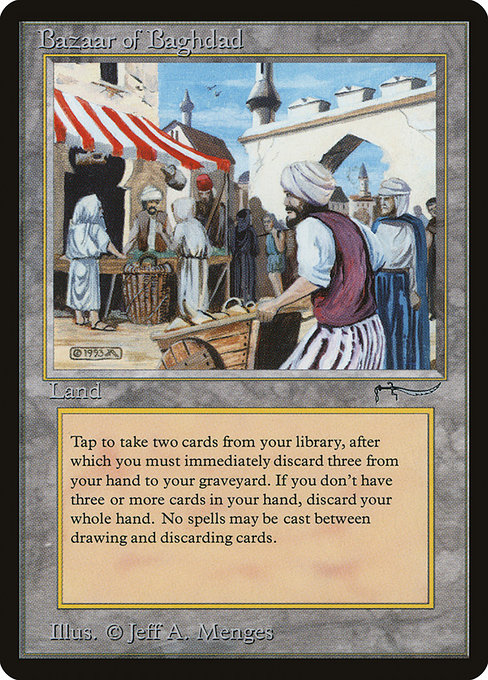


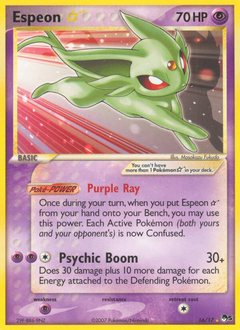
![Mysterious Pearl [Spring Winner]](/api/images/junkpal-products/cards/mysterious-pearl-spring-winner-pokemon-japanese-promo-card/img0/thumb.webp)
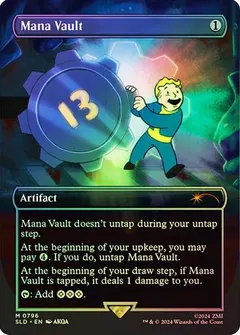
![Mana Vault [Foil] #796](/api/images/junkpal-products/cards/mana-vault-foil-796-magic-secret-lair-drop-card/img0/thumb.webp)
JunkPal may earn a commission when you buy through eBay links, at no extra cost to you.
What’s worth the most
Ranked on medians of real closed eBay sales, not asking prices.