What does “pre-release” mean?
What it means
Pre-release cards are trading cards distributed to specific retailers, distributors, or promotional partners prior to the official, wide-scale retail launch date of a set or product line. This is not simply an early print run; it denotes a controlled, limited distribution phase. The mainstream equivalent is an early access or exclusive promotional item. These cards carry inherent scarcity because the supply chain is intentionally restricted during this window. They are valued by collectors for their chronological position within the product lifecycle and by resellers for the immediate scarcity premium.
What it does to price
Pre-release status acts as a scarcity multiplier. For a highly anticipated set, a graded, sealed pre-release product can command 1.8x to 4x the price of a standard retail release of the same product. If the set is a massive success, this multiplier can exceed 5x. Conversely, if the set flops, the premium evaporates quickly, and the value may only be 1.1x to 1.3x the standard retail price due to the lack of secondary demand. A concrete example: a common chase card from a successful pre-release set might sell for $40 loose, whereas the same card from the mass-market release might only sell for $15.
How to spot it
Identification relies on specific distribution markers, not just date. Look for unique packaging variations, special promotional inserts, or specific print runs that differ from the standard UPC packaging. Some pre-releases feature unique card backs or foil patterns exclusive to the distributor. Sellers must provide high-resolution photos of the card's edges and any visible manufacturer stamps. A common mistake is mistaking a retailer-exclusive *variant* (a card printed for one store) for a true *pre-release* distribution sample. Fakes often replicate the unique packaging without the corresponding internal distribution codes.
Buying smart
Paying a premium for pre-release stock is justified only when the set has demonstrated significant early market momentum or is tied to a high-profile IP launch. If the set is obscure or the initial hype has died down, the premium is speculative risk. A fair deal involves the price being within 1.5x to 2.5x the expected future retail value, depending on the card's rarity tier. If the asking price is more than 3x the expected value, the risk of overpaying for perceived scarcity outweighs the potential gain.
Selling smart
Listing a pre-release item requires explicit declaration of its status. The term "Pre-Release Exclusive" or "Distributor Sample" must be used in the title and description. This single piece of information immediately shifts the item from a standard collectible to a scarcity asset, justifying a higher asking price. The one photo that earns the premium is a clear, focused shot of any unique identifying mark—a specific sticker, a unique serial number, or the distinct packaging element—that proves its non-standard distribution.
On eBay right now
Current asking prices from live listings — not sold-comp medians.

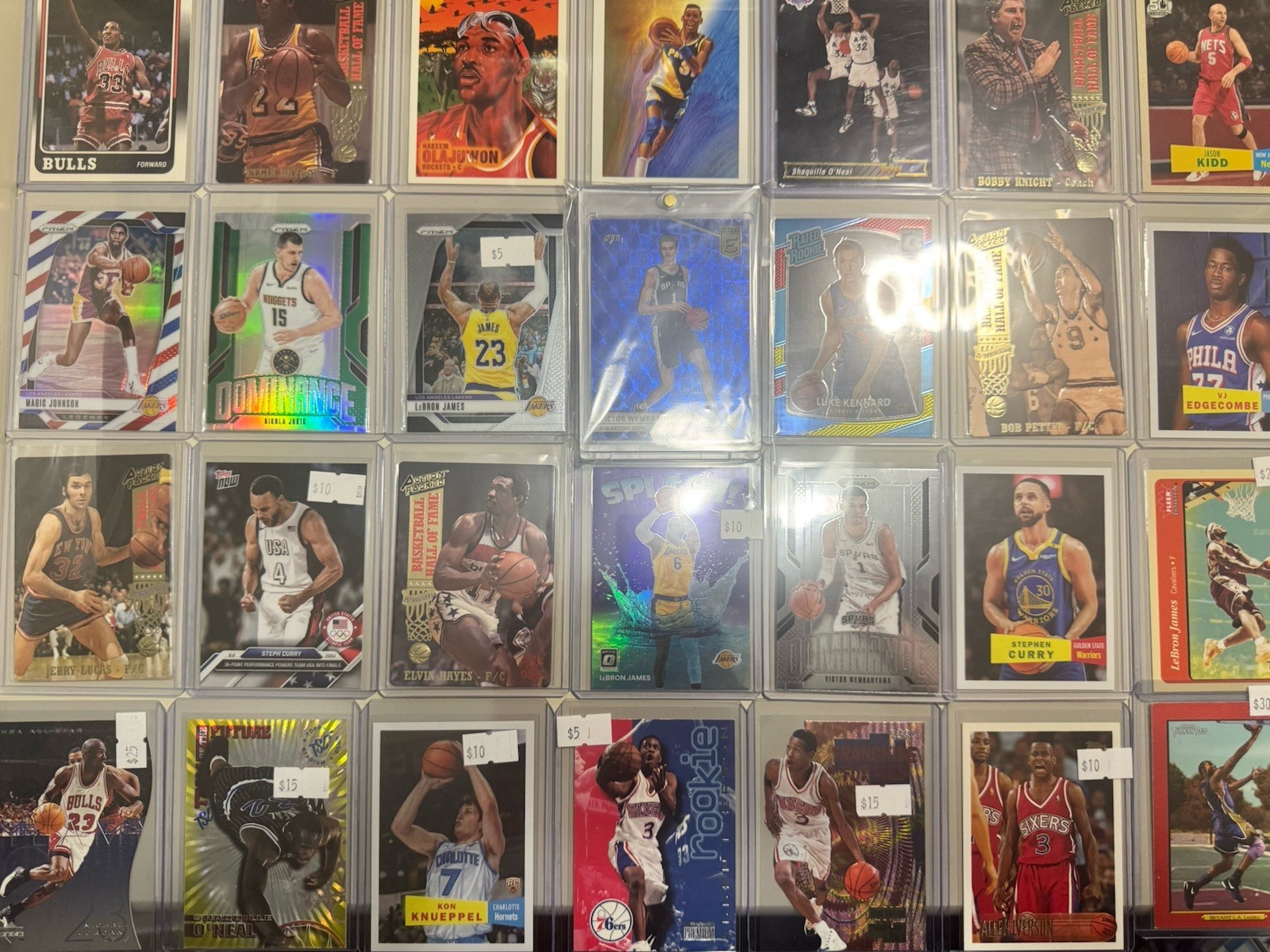
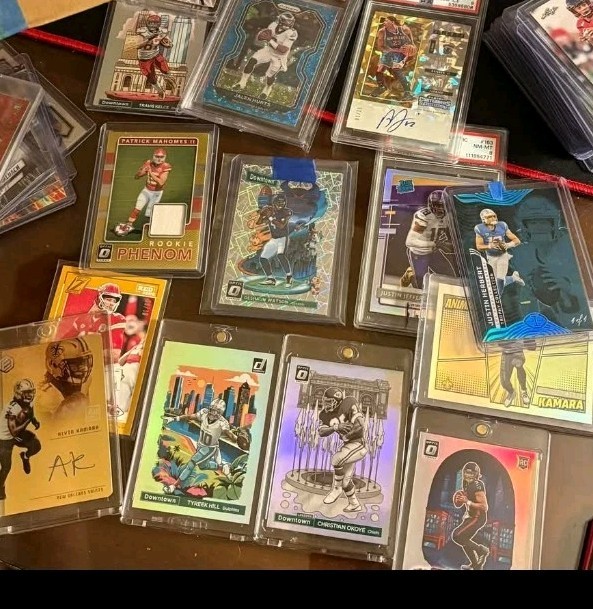



eBay links are affiliate links: JunkPal may earn a commission at no cost to you.
Resale values related to pre-release
Shop pre-release on eBay ↗







JunkPal may earn a commission when you buy through eBay links, at no extra cost to you.
What’s worth the most
Ranked on medians of real closed eBay sales, not asking prices.