What does “pop report” mean?
What it means
A pop report, short for Population Report, is a statistical data set released by third-party grading services (e.g., PSA, Beckett). It quantifies the supply of a specific trading card by tracking the total number of copies submitted for and the resulting distribution of grades. The data breaks down the card's population by grade designation (e.g., 10, 9, 8). This is not a subjective assessment; it is raw, verifiable data on scarcity. The mainstream equivalent is inventory tracking, but applied to certified, graded assets.
What it does to price
Scarcity dictated by the pop report is a primary driver of value. A card graded a perfect 10 (Gem Mint) will command a significantly higher premium than the same card graded a 9, even if the visual difference is negligible. The multiplier effect is substantial: a highly sought-after card graded 10 might fetch 3x to 10x the price of a 9, depending on the card's overall demand. Conversely, if a card is extremely common (e.g., 5,000 copies graded 10), the premium over a lower grade diminishes rapidly. For example, a common rookie card graded 10 might only fetch $150, whereas the same card graded 9 might sell for $80, demonstrating a clear, quantifiable price gap based on population control.
How to spot it
The pop report itself is found on the grading company’s official website, searchable by card ID or set. Sellers should provide the official certification number (e.g., PSA 10/1234567) for verification. A telltale sign of potential misrepresentation is a seller claiming a high grade without providing the corresponding slab image or certificate number. Common issues include "grade inflation" (where sellers overstate the grade) or using unofficial third-party grading services that lack market recognition. Always cross-reference the card image against known examples of that specific grade.
Buying smart
Paying a premium for a high-grade card is justifiable when the card is recognized as a "key player" in a set, possesses high overall market demand, or is inherently difficult to grade perfectly (e.g., holographic parallels). If the pop report shows thousands of copies graded 10 for a mid-tier card, the premium over a lower grade is likely unwarranted. A fair deal involves the asking price being within 15-25% of the current average sale price for that specific grade within the last 30 days, as tracked by major sales aggregators.
Selling smart
Proving the card's grade via the official slab image is non-negotiable for maximizing returns. Listing the specific grade (e.g., "PSA 9") in the title and description is essential. Buyers pay a premium for the certainty that the grade is authentic and verifiable. The single most effective element in a listing is the clear, high-resolution photo of the card *inside the graded slab*, accompanied by the certification number. This instantly validates the asset's scarcity and justifies the higher asking price against loose or ungraded competition.
On eBay right now
Current asking prices from live listings — not sold-comp medians.


eBay links are affiliate links: JunkPal may earn a commission at no cost to you.
Resale values related to pop report
Shop pop report on eBay ↗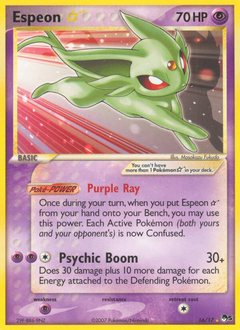


![Mysterious Pearl [Spring Winner]](/api/images/junkpal-products/cards/mysterious-pearl-spring-winner-pokemon-japanese-promo-card/img0/thumb.webp)
![Mana Vault [Foil] #796](/api/images/junkpal-products/cards/mana-vault-foil-796-magic-secret-lair-drop-card/img0/thumb.webp)
![Blister Pack [Shadowless]](/api/images/junkpal-products/cards/blister-pack-shadowless-pokemon-base-set-card/img0/thumb.webp)

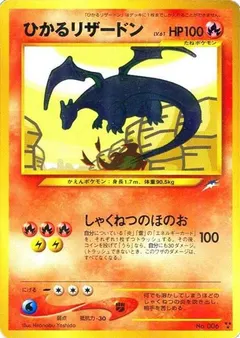
JunkPal may earn a commission when you buy through eBay links, at no extra cost to you.
What’s worth the most
Ranked on medians of real closed eBay sales, not asking prices.