What does “pop” mean?
What it means
"Pop" refers to a trading card authenticated and encapsulated by Professional Sports Authenticator (PSA). This process involves placing the card into a protective, tamper-evident plastic holder, or "slab," and assigning it a numerical grade. This grade, typically ranging from 1 (Poor) to 10 (Gem Mint), is a standardized assessment of the card's physical condition, including centering, corners, edges, and surface quality. The numerical score is the primary determinant of the card's market value. PSA is the industry standard for third-party authentication in this segment.
What it does to price
The grade dictates value exponentially. A PSA 10 Gem Mint version of a sought-after card can fetch 5x to 20x the price of the same card ungraded or in a lower grade (e.g., PSA 8). For a mid-tier rookie card, the difference between a PSA 9 and a PSA 10 can easily be $150 to $400. Factors that push the price up include perfect centering (often the hardest element to achieve) and flawless surface condition. A common downward pressure comes from poor centering, even if the corners are sharp, which caps the grade potential.
How to spot it
Authentic PSA slabs feature a specific, standardized design with the grade prominently displayed. The card itself is sealed within the holder; visual inspection of the card's surface is impossible without opening the slab. Sellers should provide high-resolution photos of the *entire* slab, ensuring the grade sticker and any authentication holograms are clear. Common issues include "slab tampering" (where the seal appears broken or resealed) and counterfeit slabs, which often use blurry printing or incorrect PSA logos. Always cross-reference the card's known population report data for that specific card to see how common the assigned grade is.
Buying smart
Paying a premium for a graded card is justified when the card is a blue-chip investment piece—a foundational rookie card or a highly scarce parallel. If the card is mid-tier or speculative, the premium might not be worth the cost of the slab itself. A fair deal involves comparing the asking price against recent completed sales data for that *exact* grade. If a PSA 10 is listed at 3x the average PSA 9 price, further scrutiny of the card's rarity and demand is required before committing capital.
Selling smart
Listing a card with its PSA slab immediately signals verified quality to serious buyers, eliminating the risk assessment phase. The single most valuable element in a listing is the clear, high-resolution photo of the *front and back* of the sealed slab, showing the grade number. Describing the card as "PSA 10 Gem Mint" is non-negotiable. This certification allows the seller to command a significant premium over loose or ungraded sales, as the buyer is purchasing certified certainty, not potential.
On eBay right now
Current asking prices from live listings — not sold-comp medians.

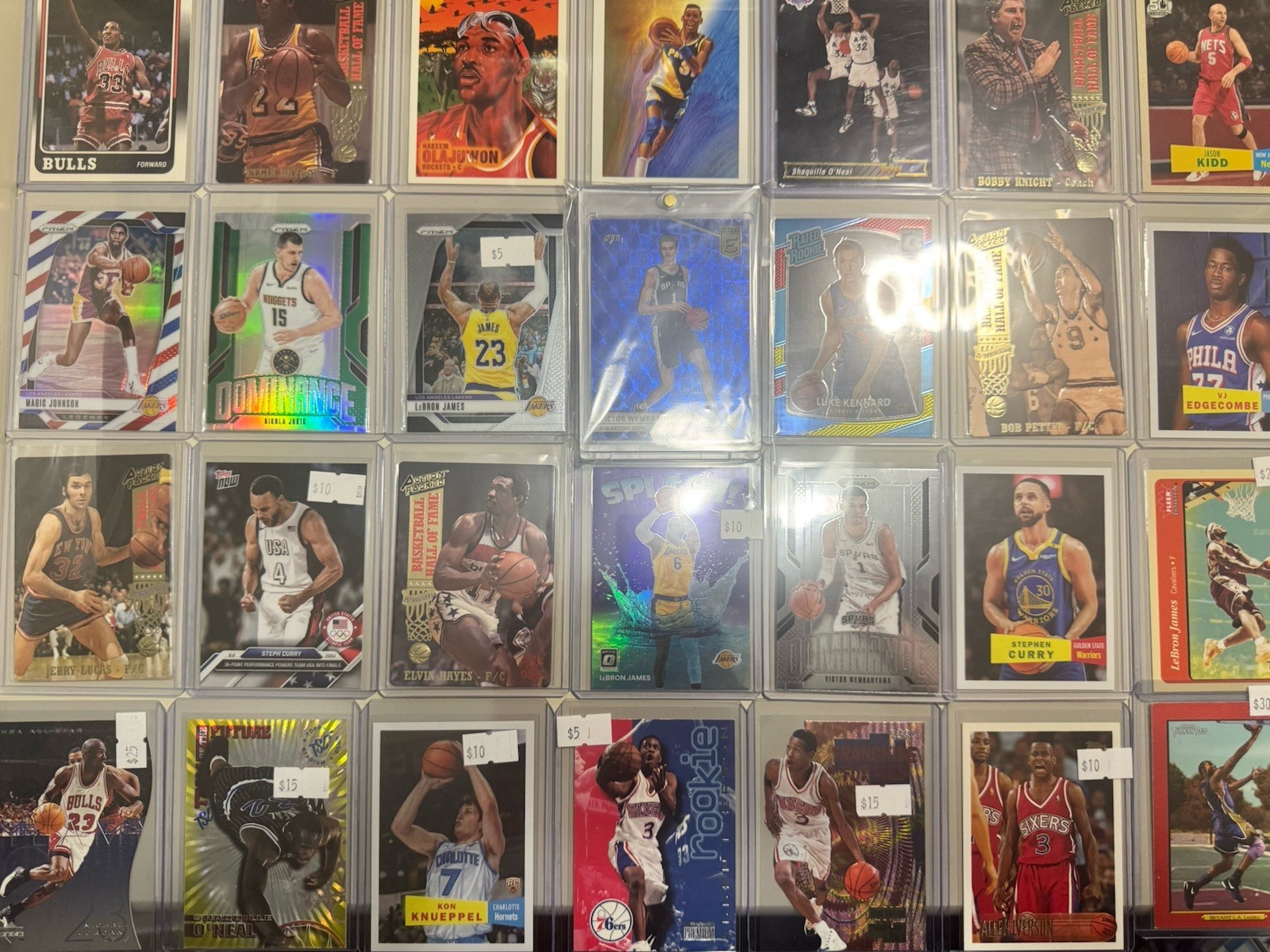
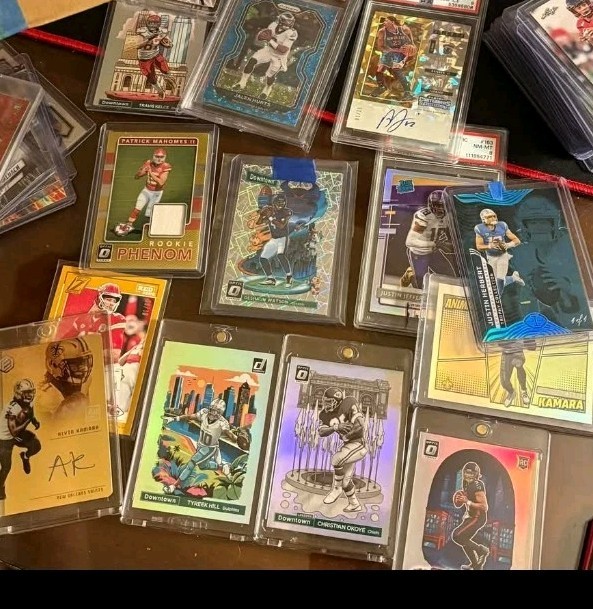

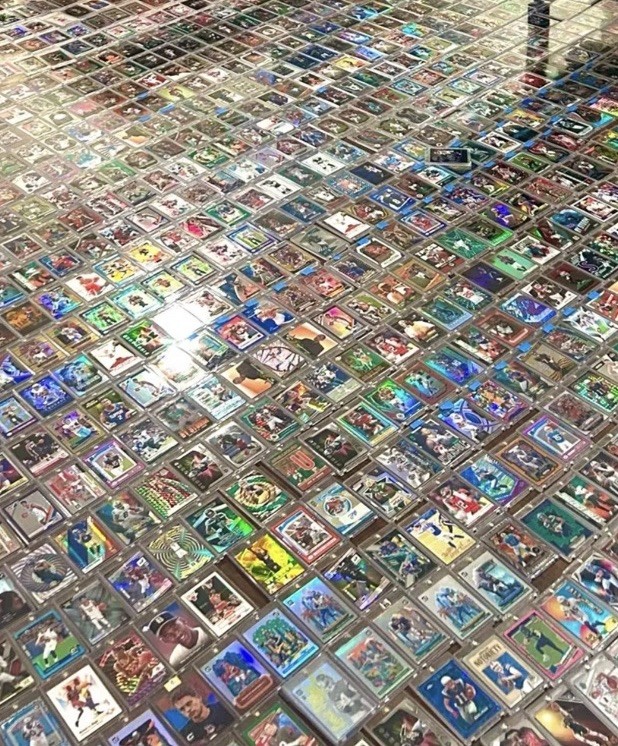

eBay links are affiliate links: JunkPal may earn a commission at no cost to you.
Resale values related to pop
Shop pop on eBay ↗

![Mr. Mime [Sparkle] #122](/api/images/junkpal-products/cards/mr-mime-sparkle-122-pokemon-2000-topps-chrome-card/img0/thumb.webp)


JunkPal may earn a commission when you buy through eBay links, at no extra cost to you.
What’s worth the most
Ranked on medians of real closed eBay sales, not asking prices.