What does “poor condition card” mean?
What it means
A poor condition card is a trading card exhibiting substantial physical degradation or manufacturing flaws that significantly compromise its aesthetic integrity compared to factory-fresh examples. This category encompasses more than just light handling wear. Specific issues include heavy creasing (where the card bends sharply), severe corner dings or rounding, deep surface scratches that penetrate the print layer, noticeable staining or discoloration, and clear print defects such as misregistration or ink bleeding. For the market, this is shorthand for "not investment grade." The mainstream equivalent is generally categorized as "Played" or "Poor" in professional grading standards.
What it does to price
Condition is the primary determinant of value for non-graded cards. A poor condition card typically commands a fraction of the price of a Near Mint (NM) or Mint (M) equivalent. Depending on the card's base rarity, the value can drop by 60% to 90% compared to pristine copies. For a common, low-value card, the difference might be negligible, perhaps $1 versus $5. However, for a highly sought-after chase card, the difference is substantial; a Mint copy might sell for $500, while the same card in poor condition might only fetch $50 to $100. Flaws that push it into "Poor" territory (e.g., heavy creasing across the face) accelerate this devaluation significantly.
How to spot it
Spotting poor condition requires close inspection under bright light. Look for creases that travel across the card surface, not just along the edges. Corner damage should be assessed for chipping versus mere rounding. Surface scratches are visible as lines interrupting the artwork or text. Print defects include color shifting or misalignment of the image relative to the border. When evaluating a listing, sellers must provide high-resolution, macro shots focused specifically on the damaged areas. A common honest mistake is mistaking slight edge whitening (wear) for deep corner dings. Fakes often mimic wear but lack the natural, distributed damage of genuine handling.
Buying smart
Purchasing a poor condition card is only justifiable under specific circumstances. It is appropriate when the card's rarity or inherent value is so high that even a damaged copy retains significant collectible worth, or when the buyer intends to use the card for bulk collection purposes rather than display. It is not a sound investment purchase unless the damage is minor (e.g., light edge wear) and the price reflects that minor degradation. A fair deal involves the asking price being at least 50% below the current market average for a Near Mint copy, factoring in the severity of the documented flaws.
Selling smart
Transparency regarding condition maximizes realized sale price. Listing a card as "Poor Condition" or "Played" and then failing to photograph the specific damage is grounds for buyer dispute and negative feedback. The single most effective element in a listing is a clear, well-lit photograph that isolates the worst flaw—a crease, a stain, or a ding—with a scale or ruler for reference. This upfront disclosure manages buyer expectations, allowing the price to accurately reflect the item's state, thereby preventing price haggling based on hidden defects.
On eBay right now
Current asking prices from live listings — not sold-comp medians.


eBay links are affiliate links: JunkPal may earn a commission at no cost to you.
Resale values related to poor condition card
Shop poor condition card on eBay ↗![Illusion's Zorua [2nd Grade Winner] #L-P](/api/images/junkpal-products/cards/illusion-s-zorua-2nd-grade-winner-l-p-pokemon-japanese-promo-card/img0/thumb.webp)
![Snorlax [Tekno] #143](/api/images/junkpal-products/cards/snorlax-tekno-143-pokemon-2000-topps-chrome-card/img0/thumb.webp)
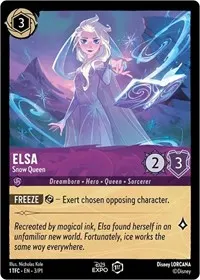
![Mewtwo [Tekno] #150](/api/images/junkpal-products/cards/mewtwo-tekno-150-pokemon-2000-topps-chrome-card/img0/thumb.webp)
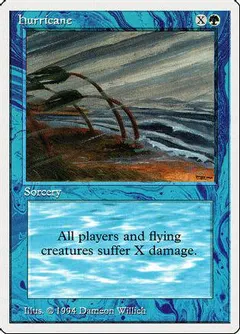
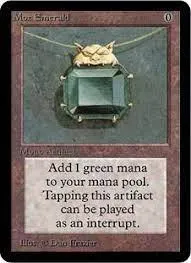
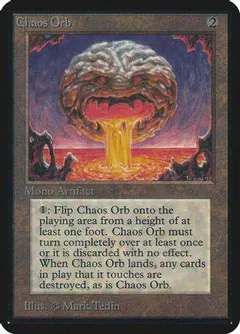
JunkPal may earn a commission when you buy through eBay links, at no extra cost to you.
What’s worth the most
Ranked on medians of real closed eBay sales, not asking prices.