What does “poor condition” mean?
What it means
"Poor condition" in trading cards signifies damage that goes beyond minor handling wear. This is not simply "lightly played." It denotes substantial, visible degradation impacting the card's primary appeal. Specific issues include heavy creasing (folds that penetrate the card stock), deep gouges or scratches across the surface, significant corner rounding or chipping (dings), heavy surface abrasion (scuffing), or noticeable, uneven color fading from UV exposure. Mainstream equivalent: This is equivalent to a "Very Poor" or "Poor" grade in professional grading services (e.g., PSA 1-3 range). The card's structural and aesthetic integrity is compromised.
What it does to price
Poor condition imposes a severe downward pressure on market value. The value reduction is non-linear; damage severity dictates the drop. A card in poor condition typically sells for 10% to 40% of its Near Mint/Excellent counterpart, depending on the rarity of the card itself. Factors pushing the price *up* within this category include extreme rarity combined with minimal, localized damage (e.g., one small corner ding on a chase card). Factors pushing it *down* include widespread damage (e.g., heavy creasing across the center). For example, a common card with a single, light surface scratch might sell for $1.00 less than an identical copy without damage; a rare card with heavy creasing could sell for $50 less than its graded counterpart.
How to spot it
The tells are physical inspection points. Check the edges and corners under bright light for chipping or stress fractures. Examine the surface under magnification for deep scratches or print rubbing. Look closely at the card’s back for seam separation or heavy wear marks. For high-value cards, ask sellers for high-resolution photos focusing specifically on the corners and the center field. Common honest mistakes include improper storage causing edge warping. A potential red flag is inconsistent color saturation across the print, which suggests fading or chemical damage rather than simple wear.
Buying smart
Paying a premium for a "poor condition" card is only justifiable when the card is exceptionally rare, highly sought after, and the damage is minor and localized (e.g., a single, non-obstructive corner ding). If the card is common or mid-tier, the discount offered by poor condition is not worth the risk. A fair deal involves the asking price reflecting a clear discount relative to the card's best-case scenario value. If the seller lists it as "Poor" but the damage is only minor scuffing, the price is likely inflated.
Selling smart
Transparency is the primary driver of acceptable pricing when selling in poor condition. Listing the exact nature of the damage (e.g., "Heavy crease across upper left quadrant," not just "Poor condition") allows buyers to self-grade the damage against their expectations. The single most valuable element in the listing is a close-up, well-lit photograph that isolates the most significant flaw. This preempts disputes and allows the seller to command a price based on *known* flaws, rather than being forced to accept a low price due to buyer surprise.
On eBay right now
Current asking prices from live listings — not sold-comp medians.


eBay links are affiliate links: JunkPal may earn a commission at no cost to you.
Resale values related to poor condition
Shop poor condition on eBay ↗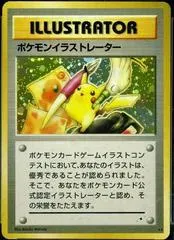
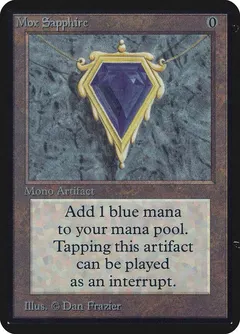
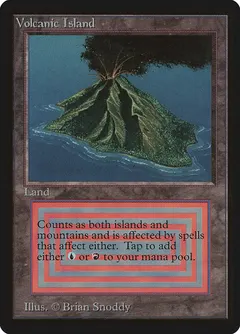

![Spikey-Eared Pichu [Televi-Kun Winner]](/api/images/junkpal-products/cards/spikey-eared-pichu-televi-kun-winner-pokemon-japanese-promo-card/img0/thumb.webp)

![Tropical Wind [Tropical Mega Battle]](/api/images/junkpal-products/cards/tropical-wind-tropical-mega-battle-pokemon-japanese-promo-card/img0/thumb.webp)
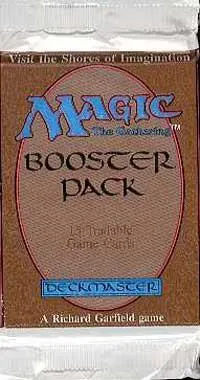
JunkPal may earn a commission when you buy through eBay links, at no extra cost to you.
What’s worth the most
Ranked on medians of real closed eBay sales, not asking prices.