What does “pinhole” mean?
What it means
A pinhole is a minute, localized physical flaw on a trading card. It is not merely a speck of dust; it is a discernible puncture, abrasion, or inclusion that penetrates the card surface. In the grading industry, this is classified as surface damage. The mainstream equivalent is a minor defect or imperfection. For high-grade collecting, pinholes are significant because they compromise the card's structural integrity and visual perfection, directly affecting its ability to achieve a Gem Mint (PSA 10/BGS 9.5) grade.
What it does to price
The impact of a pinhole is inversely proportional to the card's base value and the desired grade. On a common, low-value card, a pinhole might reduce value by 10-20%. On a high-value, chase card, the effect is exponential. A card that would otherwise command a $500 price for a PSA 10 might drop to $250–$350 if a noticeable pinhole forces it into a PSA 9 or lower. For sealed product, a pinhole on a card visible through the pack is a dealbreaker, often reducing the entire pack's value by 40% or more.
How to spot it
Pinholes are best spotted under magnification (10x minimum). Look for deviations from the card's uniform surface texture. Common tells include tiny fiber intrusions, pinprick marks from handling, or microscopic tears along the edges. Sellers must provide high-resolution, close-up photography focused directly on the suspected area. A common mistake is mistaking print registration errors or ink blemishes for physical damage; a pinhole is a physical breach of the card stock.
Buying smart
Paying a premium for a card with a confirmed pinhole is only justified if the card is exceptionally rare and the pinhole is truly microscopic—a "hairline" imperfection barely visible outside of focused light. If the flaw is easily visible under normal viewing conditions, the premium is unwarranted. A fair deal involves the asking price reflecting a drop of at least 25% from the expected perfect-condition price, accounting for the guaranteed grade reduction.
Selling smart
Transparency maximizes buyer trust and price realization. Listing a card with a pinhole and explicitly noting its location and size in the description prevents returns and disputes. The single most effective listing tactic is providing a macro photograph of the defect. This preemptive disclosure shifts the buyer’s expectation from "perfect" to "near-perfect," allowing the seller to command a higher price than if the buyer discovered the flaw after purchase.
On eBay right now
Current asking prices from live listings — not sold-comp medians.

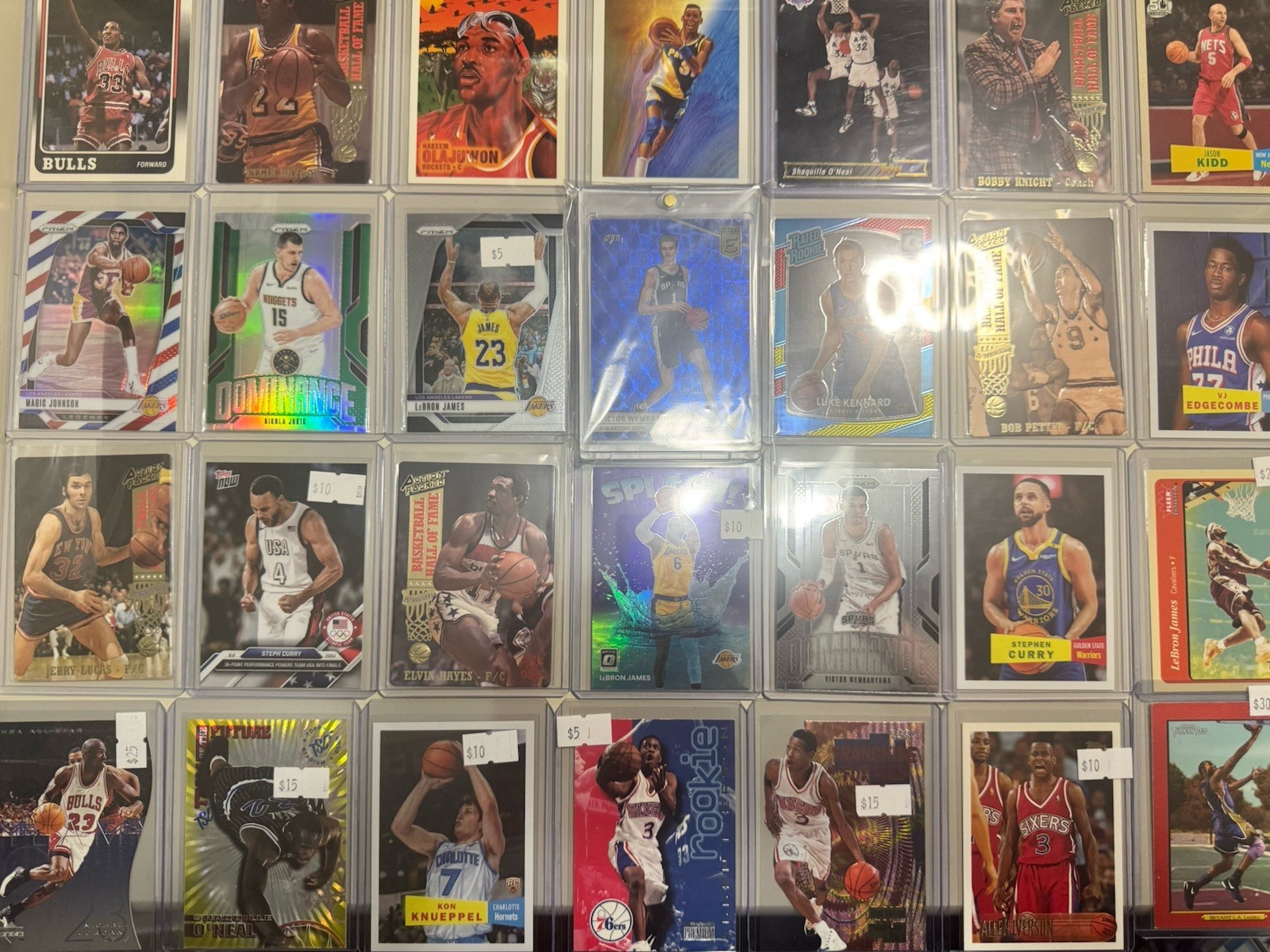
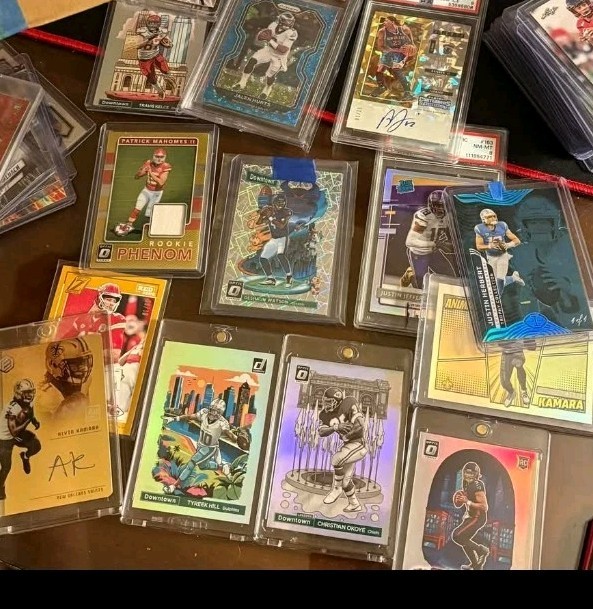


eBay links are affiliate links: JunkPal may earn a commission at no cost to you.
Resale values related to pinhole
Shop pinhole on eBay ↗



JunkPal may earn a commission when you buy through eBay links, at no extra cost to you.
What’s worth the most
Ranked on medians of real closed eBay sales, not asking prices.