What does “penny sleeve” mean?
What it means
A penny sleeve is a thin, clear plastic pouch designed to encapsulate a trading card. In the collecting niche, it is a basic layer of protective storage, distinct from higher-grade, rigid holders (like top loaders or one-touch magnetic holders). The primary function is to prevent surface abrasion, minor edge dings, and contamination from handling. While the term is simple, the quality matters. A "penny sleeve" itself is not a grade; it is a state of basic protection. Its presence indicates the card has been handled with at least rudimentary care, shielding it from the immediate environment.
What it does to price
The presence of a clean penny sleeve provides a baseline condition assurance, preventing immediate price depreciation from handling wear. For common or mid-tier cards, a card in a clean penny sleeve might fetch 10-20% more than an identical loose card that shows minor handling marks. For high-value, graded, or chase cards, the effect is less about the sleeve and more about the *integrity* of the sleeve—a pristine, unmarred sleeve is expected. If a valuable card is found loose and shows light corner whitening, the sleeve's absence is a price killer. Conversely, if a card is in a perfect sleeve but has significant surface scratches visible through the plastic, the sleeve does not mitigate the damage, and the price remains low.
How to spot it
The tell is visual: the card must be fully enclosed by a transparent, thin plastic film. Examine the edges for creasing or stress marks where the sleeve meets the card corners. Look for discoloration or cloudiness in the plastic itself, which indicates poor-quality material or age. A common mistake is confusing a penny sleeve with a rigid protector; a penny sleeve is flexible and thin. Be wary of sleeves that appear overly thick or stiff, as these may be cheap, non-archival plastic that can off-gas chemicals onto the card over time.
Buying smart
Paying a premium for a penny sleeve is worthwhile only when the card is mid-tier or when the seller is offering a bulk lot where protection is not guaranteed. For high-end, investment-grade cards, the premium should be paid for a professional, archival-safe slab (e.g., PSA, BGS), not a simple penny sleeve. A fair deal involves the sleeve being clean, free of scratches, and the card within appearing flawless through the plastic. If the sleeve is visibly dirty or has been cut open, the premium is unwarranted.
Selling smart
When listing inventory, the term "Penny Sleeved" should be used only if the sleeve is in perfect condition. If the sleeve is present, the listing must include a clear photo showing the card *through* the sleeve, demonstrating the protection. If the sleeve is damaged, it should be noted as "Sleeved, Minor Sleeve Wear." For high-value items, the best practice is to sell the card *unsleeved* but documented as having been stored in archival-safe material, allowing the buyer to assess the card's true condition without the plastic obscuring flaws.
On eBay right now
Current asking prices from live listings — not sold-comp medians.


eBay links are affiliate links: JunkPal may earn a commission at no cost to you.
Resale values related to penny sleeve
Shop penny sleeve on eBay ↗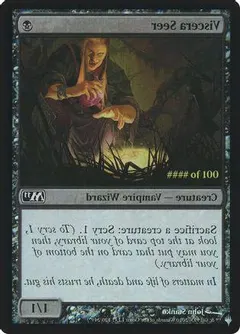
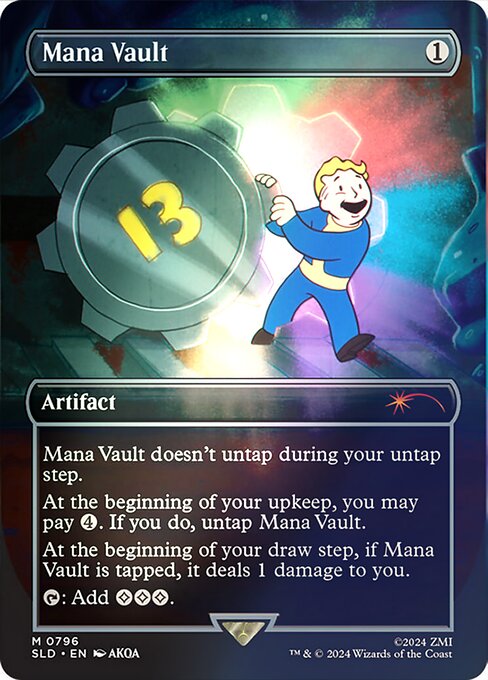
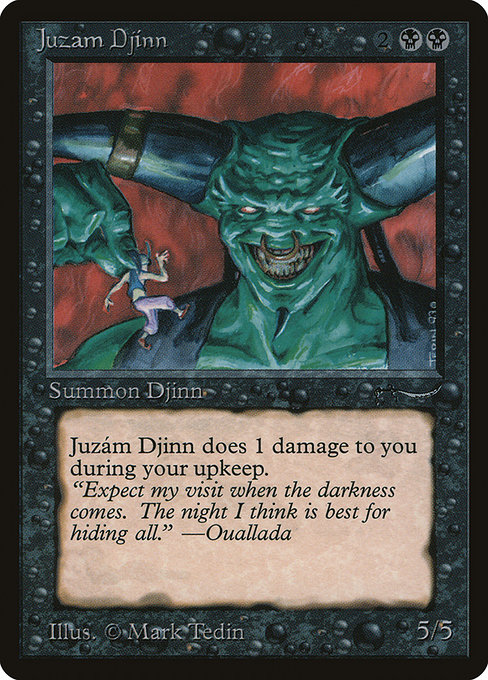
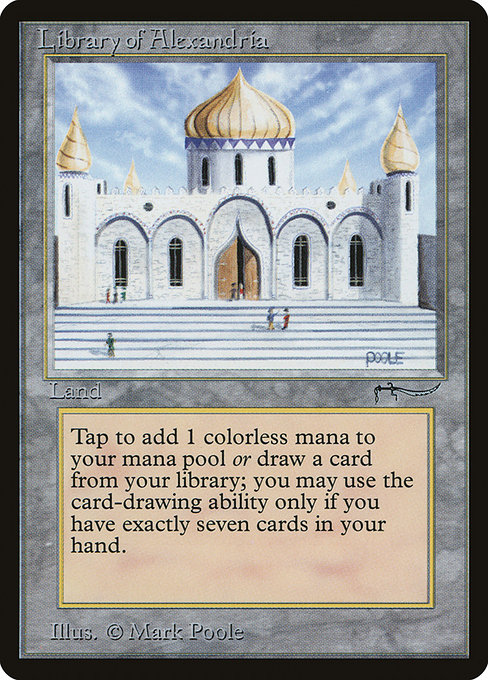
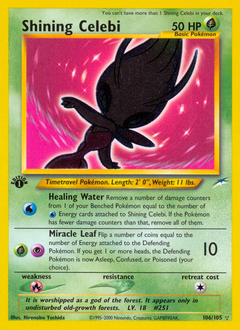
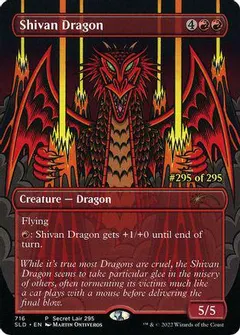

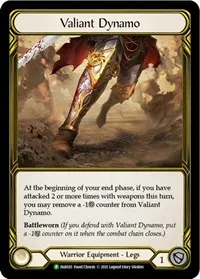
JunkPal may earn a commission when you buy through eBay links, at no extra cost to you.
What’s worth the most
Ranked on medians of real closed eBay sales, not asking prices.