What does “parallels” mean?
What it means
Parallels are variations of a standard trading card design. They are not simply different versions; they are distinct print runs of the same base card featuring specific aesthetic differences. These differences include color shifts (e.g., silver, gold, holographic), unique background patterns, or specific numbering sequences that differentiate them from the standard, non-patterned base card. The mainstream equivalent is a variant or special edition, but in card collecting, "parallel" specifically denotes a variation within the same set release. Rarity is determined by the designated suffix or designation attached to the parallel (e.g., /10, /50, or a specific color name).
What it does to price
The presence of a parallel introduces a direct scarcity multiplier. A common, non-numbered parallel might fetch 1.2x to 2x the price of the base card. A designated, low-numbered parallel (e.g., a /5 or /10) can easily command 10x to 50x the base card value, depending on the player's popularity and the card's inherent demand. Conversely, high-print run parallels (e.g., a /250) may only add a modest 1.1x to 1.5x premium. For example, a base rookie card might sell for \$5. A highly sought-after, low-numbered gold parallel of that same rookie might sell for \$75 or more.
How to spot it
Parallels are identified by specific printing characteristics. Holographic parallels exhibit a distinct, reflective sheen across the card surface. Color parallels show a consistent, non-standard color overlay or tint across the entire card print. Numbered parallels will have a unique production number printed on the card, usually in the corner or near the card number. Sellers must provide high-resolution images showing the entire card surface under direct light to confirm the pattern integrity. Common mistakes include misidentifying a simple sticker or print error as a genuine, intentional parallel.
Buying smart
Paying a premium for a parallel is justified when the card is tied to a high-demand rookie or star player, and the parallel designation is genuinely low-numbered (under 100). If the parallel is a high-print run or the player has low market interest, the premium is likely inflated. A fair deal involves comparing the parallel's rarity tier against established market data for that specific card. If a seller claims a "rare" parallel but cannot provide verifiable proof of its print run or designation, the purchase is a gamble.
Selling smart
Listing a parallel requires absolute precision in the title and description. The designation—e.g., "Prizm Gold Parallel /25"—must be stated clearly. This designation is the key that unlocks the premium. A single, clear photo showing the specific pattern or numbering, taken in bright, direct light, is necessary evidence. Vague descriptions lead to buyers assuming the card is the common base version, resulting in a significant undervaluation. Proof of the parallel's existence is the primary driver of the market price.
On eBay right now
Current asking prices from live listings — not sold-comp medians.

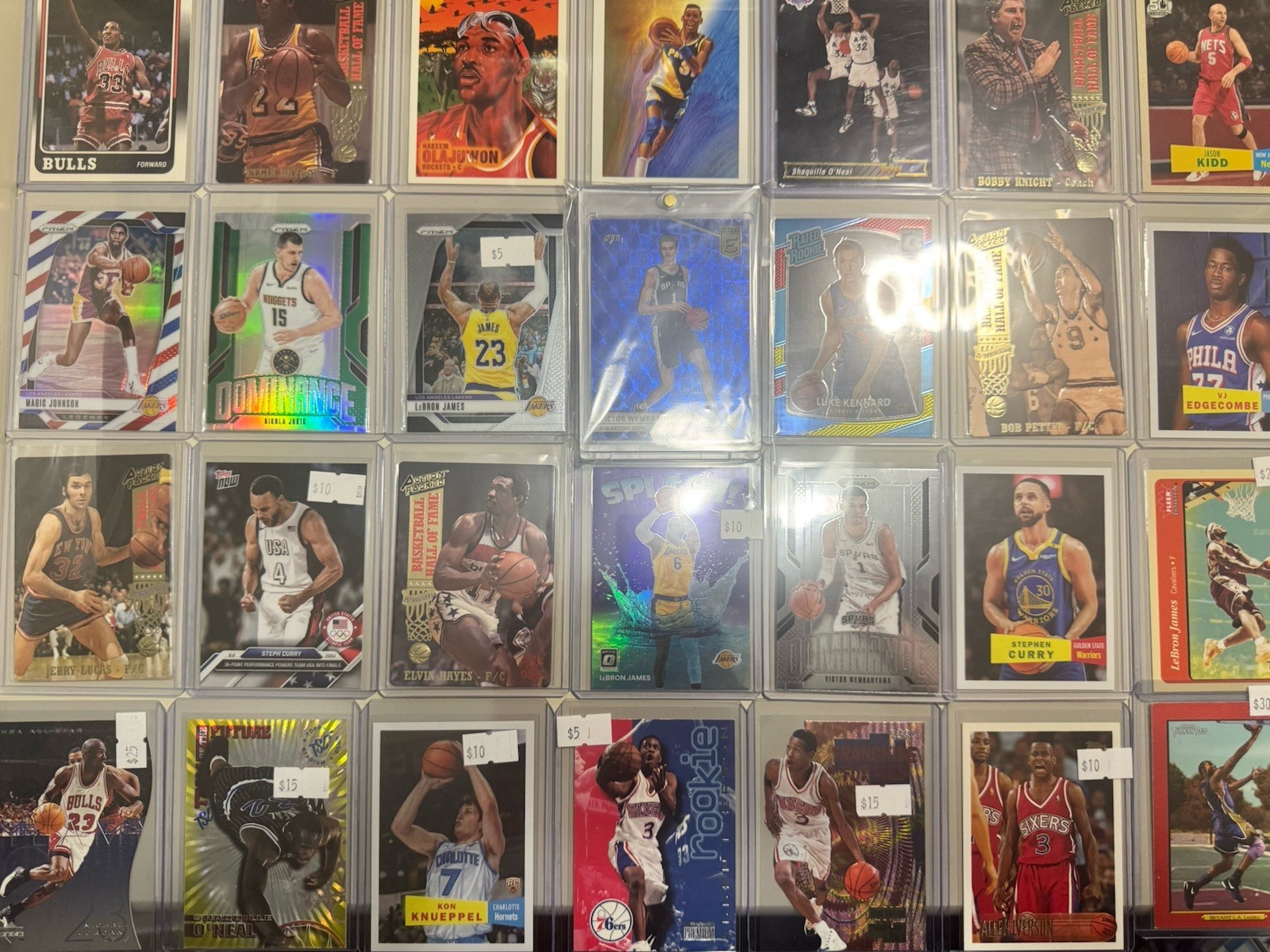
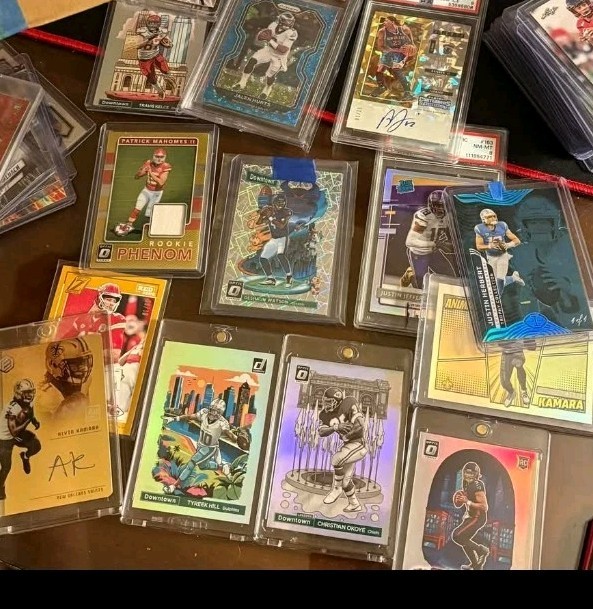

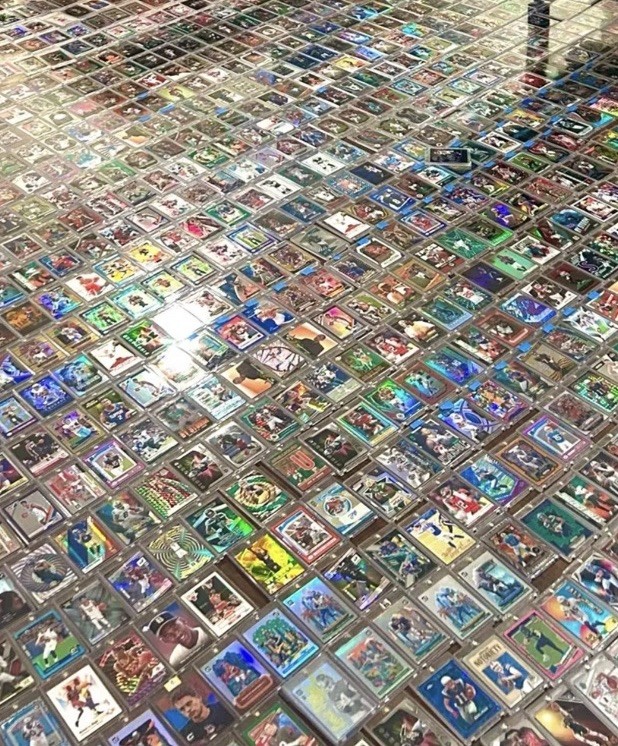

eBay links are affiliate links: JunkPal may earn a commission at no cost to you.
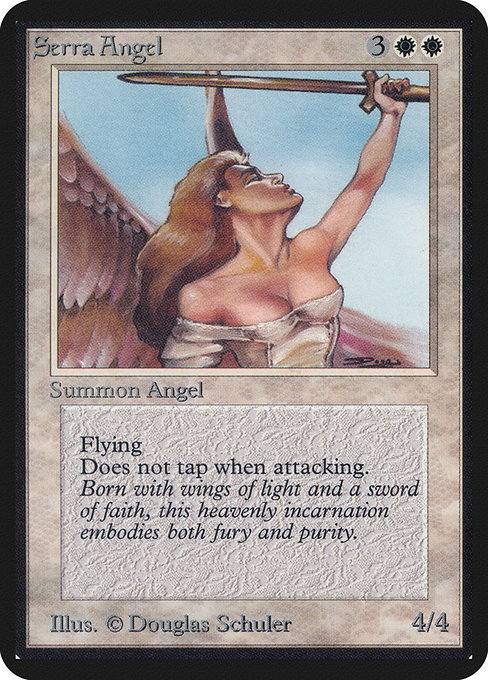
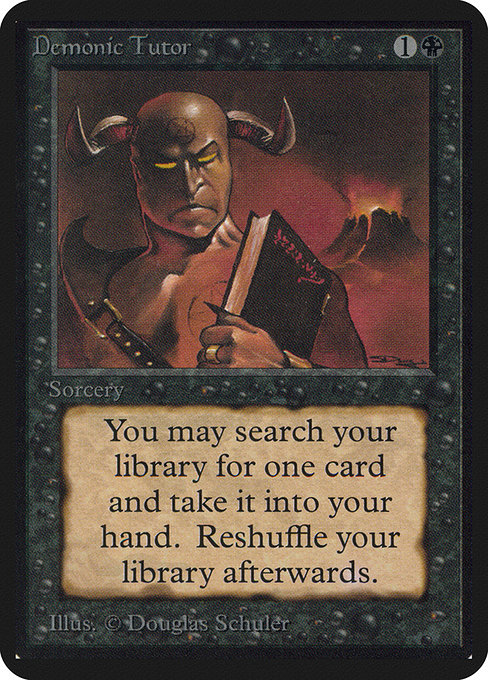
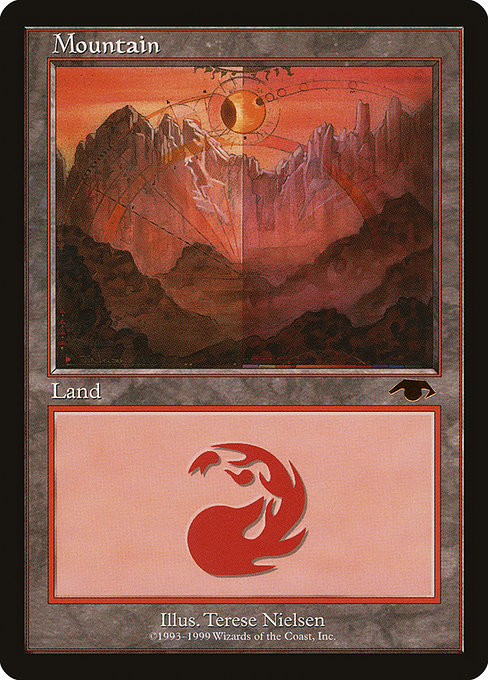
Resale values related to parallels
Shop parallels on eBay ↗
![Cubone [Tekno] #104](/api/images/junkpal-products/cards/cubone-tekno-104-pokemon-2000-topps-chrome-card/img0/thumb.webp)


JunkPal may earn a commission when you buy through eBay links, at no extra cost to you.
What’s worth the most
Ranked on medians of real closed eBay sales, not asking prices.