What does “parallel print card” mean?
What it means
A parallel print card is a distinct, non-base version of a standard trading card. It is not simply a reprint; it is an intentionally manufactured variation of the core design. These variations manifest as different color schemes, specialized surface treatments (e.g., holographic, chrome, textured), or specific production numbering. The mainstream equivalent is a "variant," but "parallel" specifically denotes a deliberate, often tiered, production run branching off the base card. The key differentiator is the scarcity tied to the specific print run.
What it does to price
The scarcity level dictates the value multiplier. A common parallel (e.g., /100) offers a moderate premium over the base card, perhaps 1.2x to 2x loose. Low-numbered parallels (e.g., /1 or /10) carry exponential value increases, often multiplying the base card value by 5x to 20x or more, depending on the player's popularity and card condition. High-numbered parallels (/500+) often trade closer to the base card price unless the finish is exceptionally desirable. For example, a base card selling for \$10 might see its /5 parallel fetch \$25, while the /1 parallel could sell for \$500+.
How to spot it
Identification relies on meticulous inspection of the card surface and the card stock. Look for specific foil patterns, color shifts, or embossed textures that deviate from the standard card. Edition markers, usually small print near the numbering (e.g., "P-Gold" or "Holo"), confirm the variant type. Sellers must provide high-resolution photos showing the entire surface, especially the edges and corners, to confirm the print quality. Common issues include misprints (honest mistakes) which are usually not considered intentional parallels, and counterfeit parallels, which often have duller foil application or incorrect numbering sequences.
Buying smart
Paying a premium for a parallel is justified when the card features a top-tier player, the parallel is extremely low-numbered (under /50), and the card condition is near-mint. If the card is a high-numbered parallel or the player is mid-tier, the premium is often not worth the risk unless the base card is completely out of print. A fair deal involves the asking price being within 20-30% of the established market average for that specific numbering and condition. If the premium exceeds 50% without exceptional scarcity, the purchase is likely overvalued.
Selling smart
To command the highest price, the listing must explicitly state the exact numbering and the finish type. Generic terms like "rare parallel" invite lowball offers. The single most effective element in a listing is a clear, well-lit photo that captures the unique finish—whether it is the holographic sheen or the texture—and prominently displays the numbering sequence (e.g., "/50"). Stating the exact numbering moves the listing from a general collectible item to a verifiable, scarce asset, immediately justifying the higher market rate.
On eBay right now
Current asking prices from live listings — not sold-comp medians.

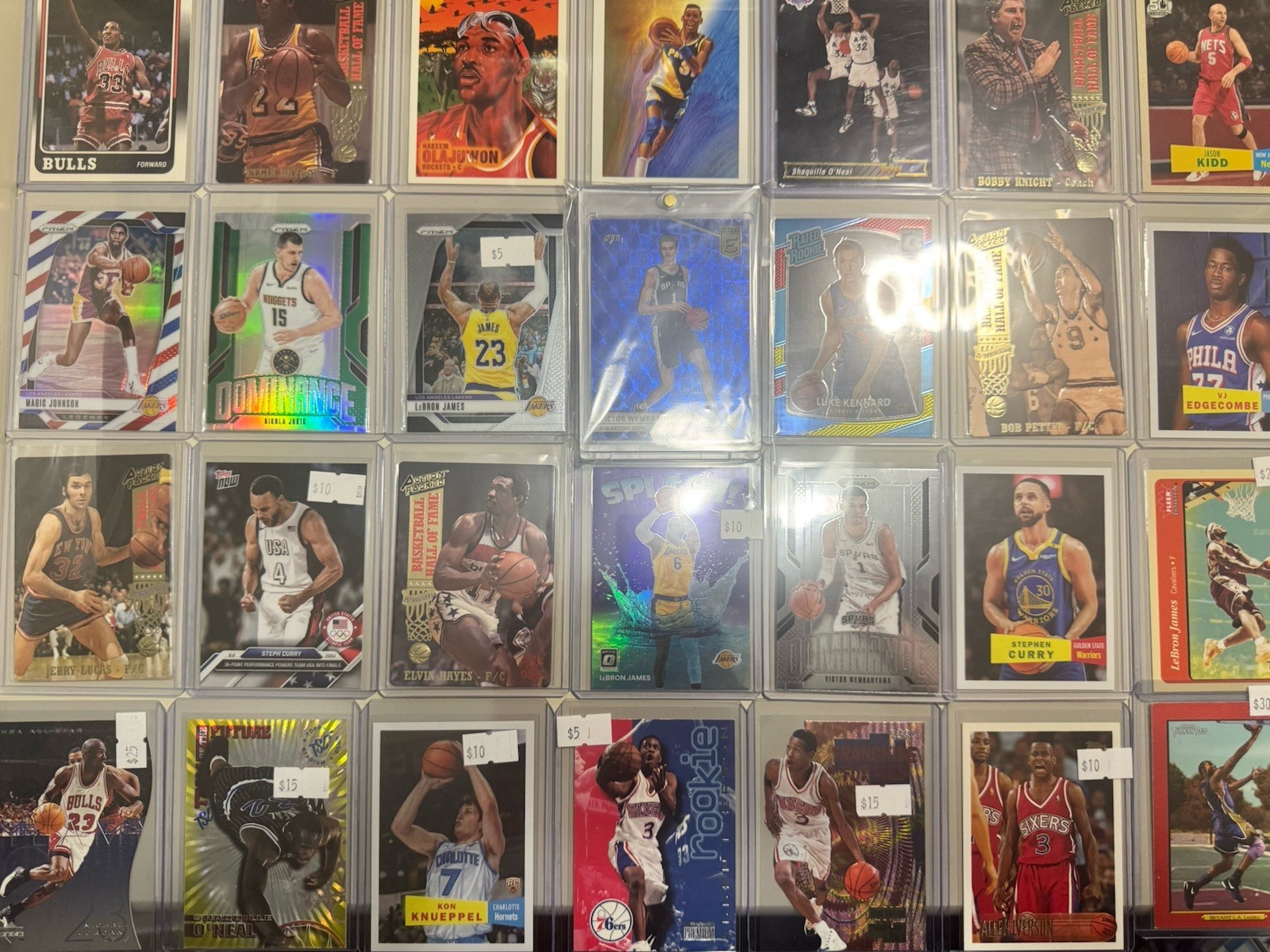
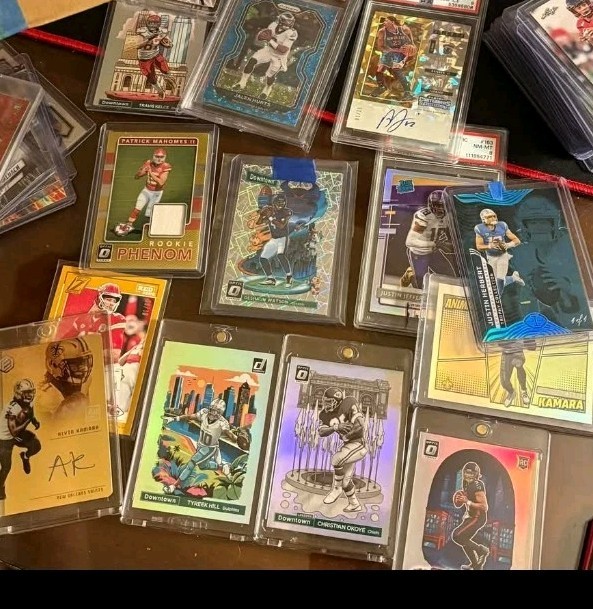

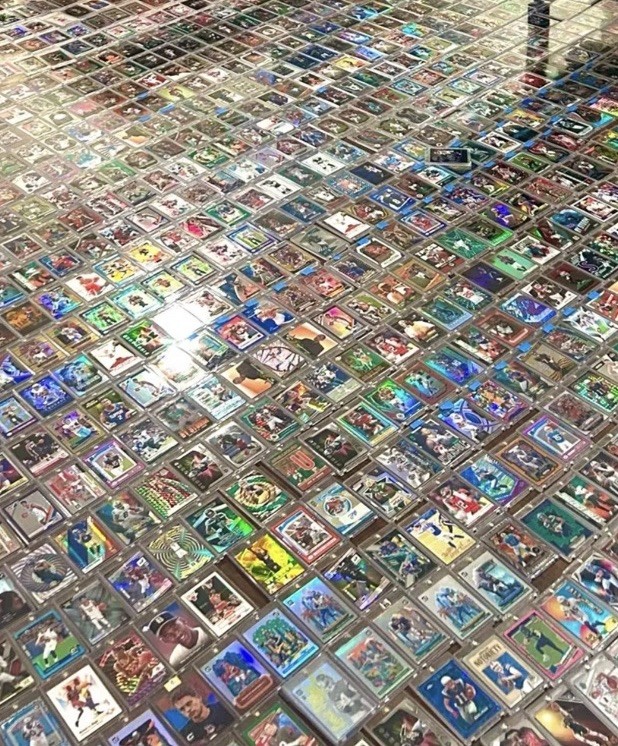

eBay links are affiliate links: JunkPal may earn a commission at no cost to you.
Resale values related to parallel print card
Shop parallel print card on eBay ↗


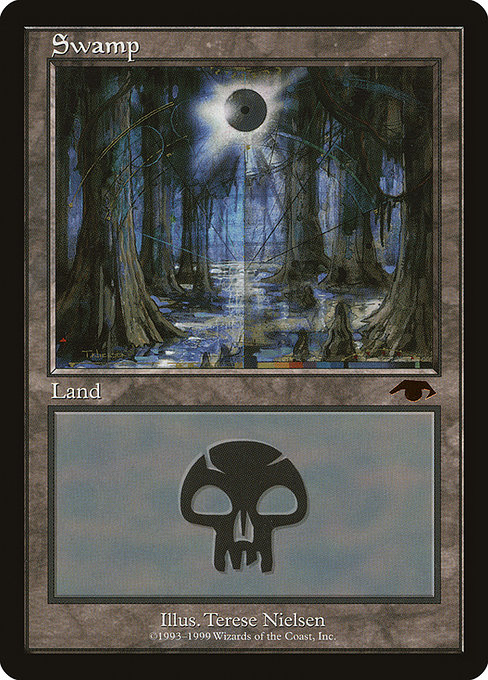
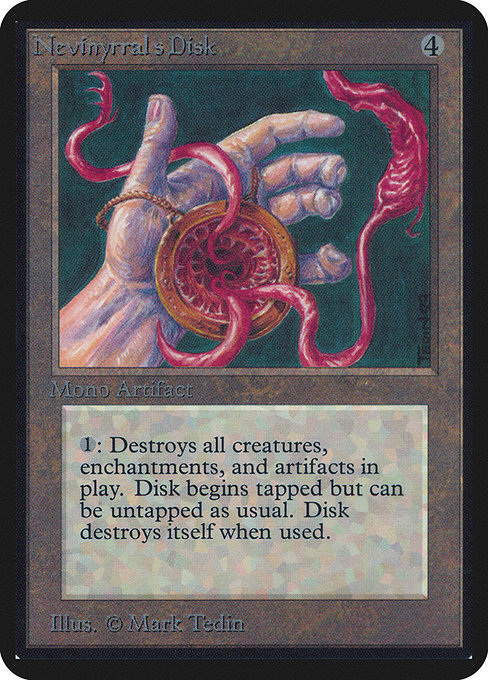
![Pikachu [Reverse Holo] #86](/api/images/junkpal-products/cards/pikachu-reverse-holo-86-pokemon-legendary-collection-card/img0/thumb.webp)
JunkPal may earn a commission when you buy through eBay links, at no extra cost to you.
What’s worth the most
Ranked on medians of real closed eBay sales, not asking prices.