What does “parallel print” mean?
What it means
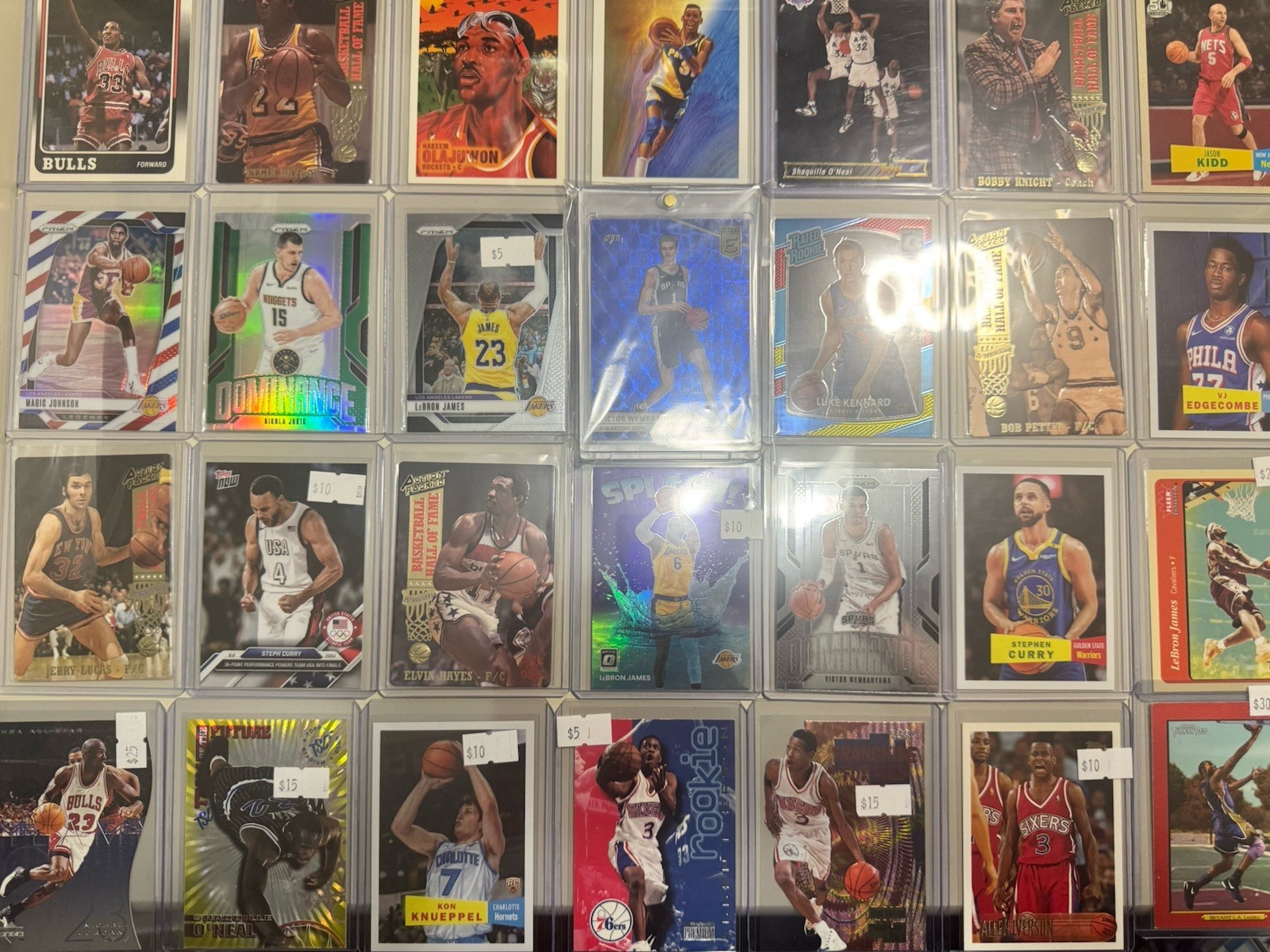
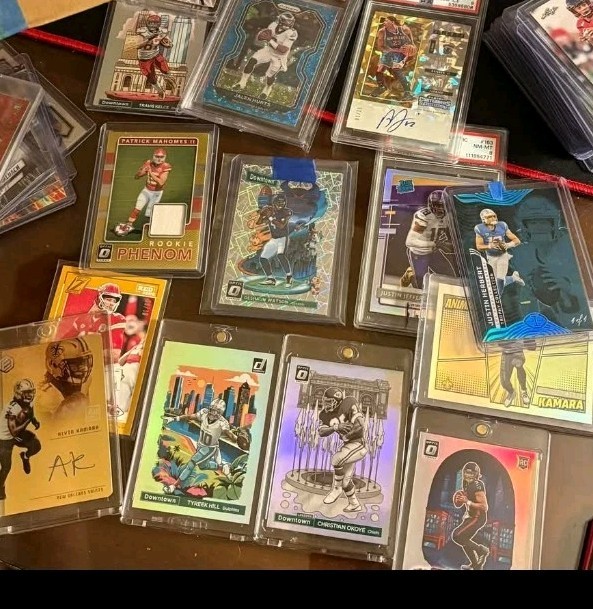
A parallel print is a variant of a base trading card design. It maintains the core image and subject matter of the standard card but incorporates a distinct production difference. These differences are usually visual—such as a specific color treatment, a holographic finish, or a unique foil application—or structural, such as being numbered. The term "parallel" is the industry standard for these variations. Unlike a simple error card, parallels are intentional, manufactured scarcity tools. A base card is the standard release; a parallel is a deliberate, limited-run deviation from that standard.
What it does to price
The rarity tier of the parallel directly dictates its multiplier against the base card. A common parallel (e.g., a standard color variation) might trade at 1.2x to 2x the base card value. Mid-tier parallels (e.g., a specific pattern foil) typically range from 3x to 8x the base. High-tier parallels, such as 1/1s or numbered inserts (e.g., /5), can command multiples of 20x or more, depending on the player's market heat. A base card of a popular player selling for $5 might see a "Gold Refractor" parallel fetch $15 to $30. The specific numbering (or lack thereof) is the primary driver of value escalation.
How to spot it
Identification relies on close inspection of the card surface. Look for distinct textural changes, color shifts, or reflective qualities that differ from the base card. Manufacturers often use specific identifiers: a unique symbol, a specific pattern overlay, or a unique die-cut shape that denotes the parallel type. When purchasing online, always request high-resolution photos focused on the card surface, specifically where the finish is applied. Common pitfalls include misidentifying a simple sticker overlay as a true factory parallel, or accepting a damaged card that has a "parallel" finish but is otherwise flawed.
Buying smart
Paying a premium for a parallel is justified when the base card is already established as a high-demand asset, or when the parallel itself is extremely scarce (e.g., numbered below 100). If the base card is low-demand, the premium for a parallel is often inflated speculation. A fair deal involves comparing the parallel's listed rarity against recent sales data for that specific card/parallel combination. If a seller is asking 10x the base price but the parallel is a common variant, the deal is likely poor.
Selling smart
Listing a parallel correctly is crucial for achieving premium pricing. The description must explicitly state the parallel type (e.g., "Prismatic," "Blue Refractor") and, critically, the scarcity designation (e.g., "/25," "1/1"). The single most effective photo is a close-up, well-lit shot of the card surface that clearly showcases the unique finish or numbering. Using the correct, specific jargon in the title and description ensures the card is seen by collectors actively searching for that specific tier.
On eBay right now
Current asking prices from live listings — not sold-comp medians.


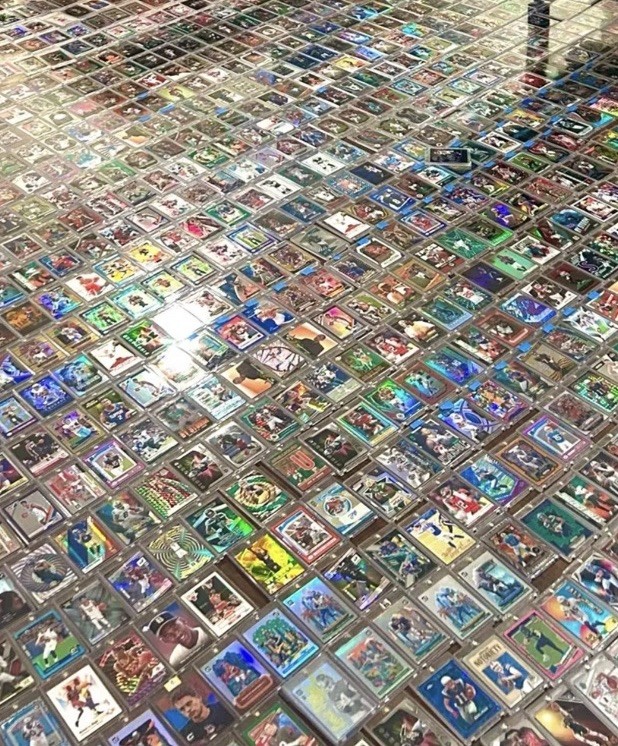

eBay links are affiliate links: JunkPal may earn a commission at no cost to you.
Resale values related to parallel print
Shop parallel print on eBay ↗

![Island [Alt Art]](/api/images/junkpal-products/cards/island-alt-art-magic-summer-edition-card/img0/thumb.webp)
JunkPal may earn a commission when you buy through eBay links, at no extra cost to you.
What’s worth the most
Ranked on medians of real closed eBay sales, not asking prices.