What does “pages” mean?
What it means
In the trading card niche, "pages" most commonly refers to the individual trading cards themselves, which are the primary collectible units. The secondary meaning—the physical pages of a binder, album, or display case—is a container descriptor. When used without context, it defaults to referring to the cards. Collectors and resellers must differentiate between the *contents* (the cards) and the *container* (the pages/binder). The container itself holds negligible intrinsic value unless it is a rare, signed, or custom-made presentation piece. For valuation purposes, the focus is exclusively on the card stock, printing, and rarity of the items housed within the pages.
What it does to price
The condition of the pages (the storage medium) acts as a condition modifier for the entire lot, not an independent value driver. Poor page condition—significant yellowing, hinge wear on the binder, or visible damage to protective sleeves—applies a discount across all contents. A lot of cards housed in pristine, archival-safe pages might command a 10-20% premium over the same cards in worn, cheap binders. Conversely, if a binder is visibly damaged, the buyer will anticipate and demand a discount of 15-30% off the card value. A $100 lot of cards in perfect sleeves might sell for $115; the same lot in visibly stained pages might sell for $85.
How to spot it
The primary tell is the context of the listing. If the listing uses "pages" and does not show the cards, it is likely referring to the binder itself, which warrants extreme caution. For the cards, look for sleeve integrity. Are the sleeves standard polypropylene, or are they high-grade, archival-safe materials? Check for evidence of card shifting or stress marks on the page corners. A common mistake is listing "pages" when the lot is loose cards; this misrepresentation leads to immediate buyer distrust. Always request high-resolution photos of the *inside* of the binder, showing the cards nestled in the pages, not just the exterior cover.
Buying smart
Paying a premium for the "pages" is only justifiable when the storage medium is demonstrably superior and adds verifiable archival value—for instance, a custom, museum-grade presentation case designed for high-value graded cards. For bulk lots, the pages are irrelevant; the buyer is purchasing the cards. A fair deal involves the price reflecting the cards' condition, with the pages being a secondary, non-negotiable factor. If the pages are cheap, worn, or non-archival, the price must be discounted to account for the buyer’s immediate need to re-house the cards safely.
Selling smart
To maximize sales price, the listing must clearly define what "pages" means. If selling a bulk lot, photograph the cards *out* of the pages, or photograph the pages clearly showing the cards are protected. If the pages are premium, state the brand and material (e.g., "Archival Mylar Pages"). The single most effective element is a photo showing the *cards themselves* in good lighting, proving they are not damaged by the storage medium. This visual proof eliminates ambiguity and justifies a higher asking price by confirming the contents meet expectations.
On eBay right now
Current asking prices from live listings — not sold-comp medians.

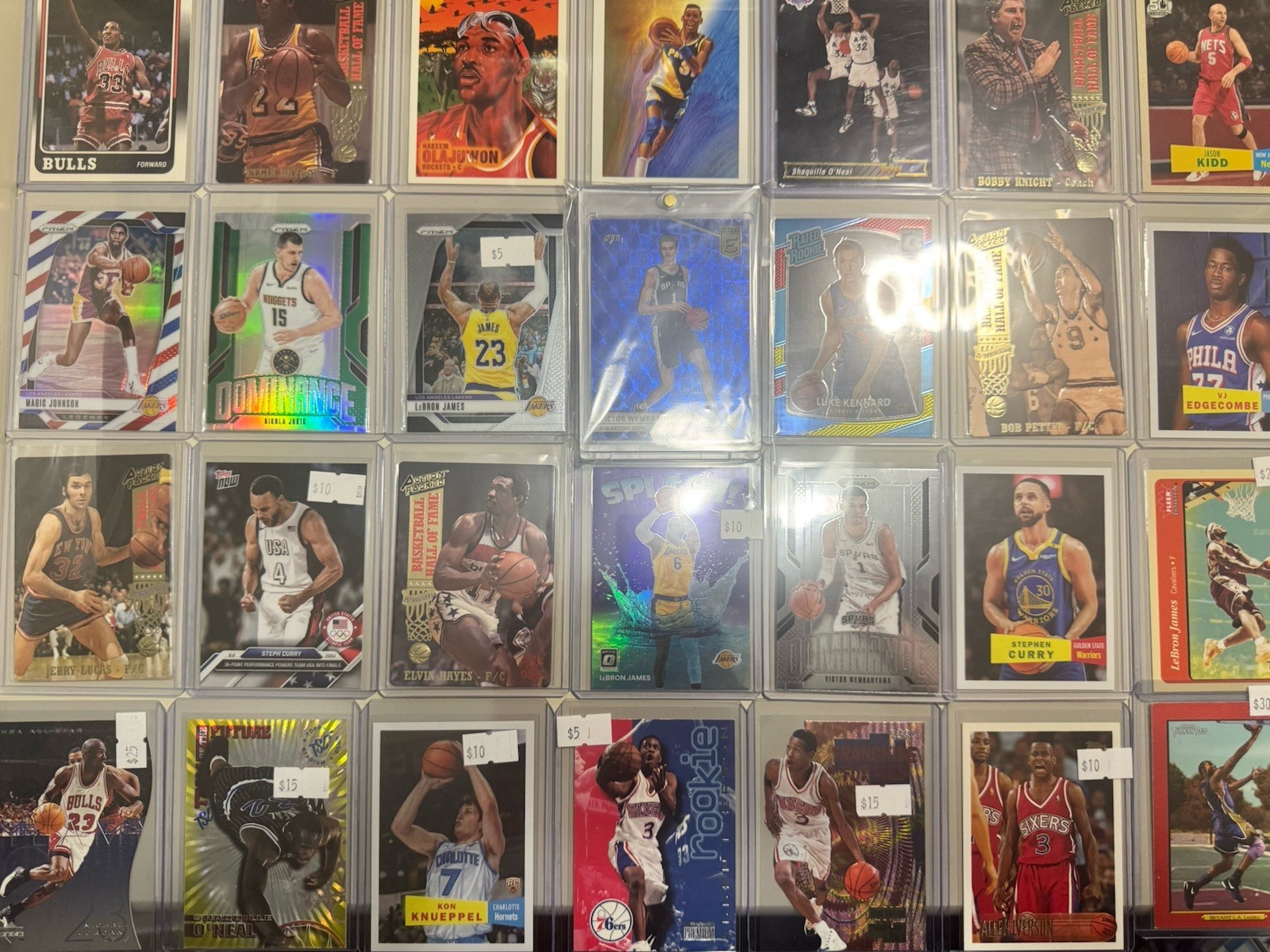
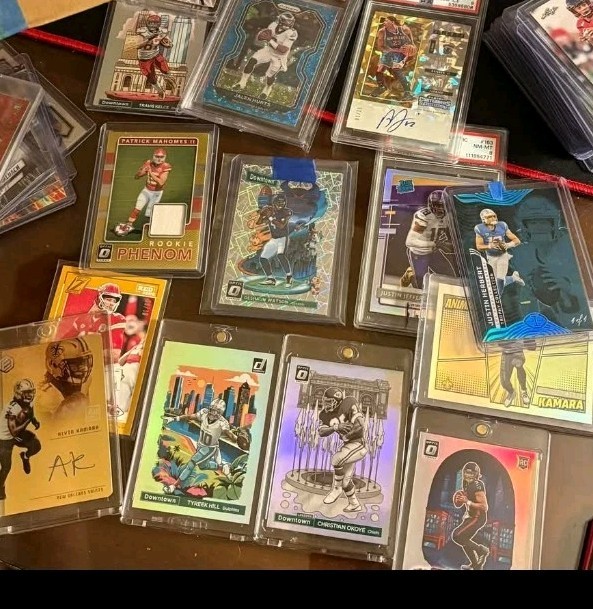

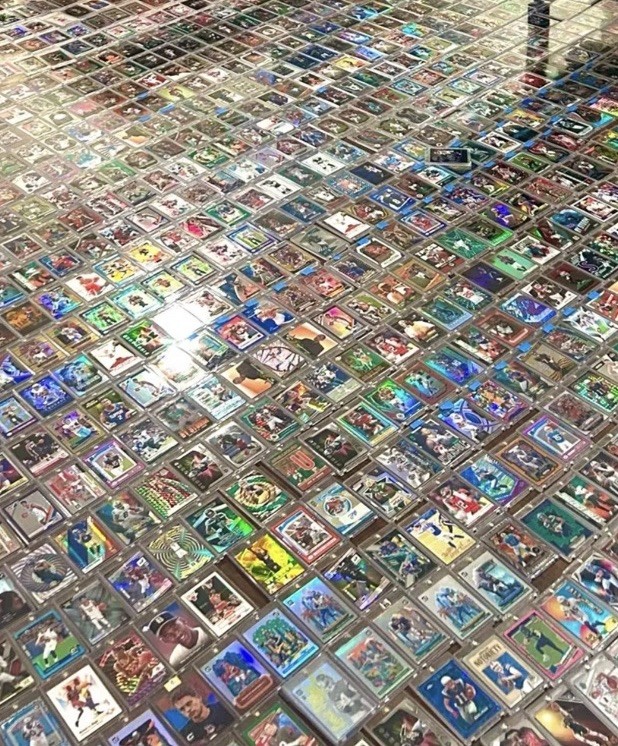

eBay links are affiliate links: JunkPal may earn a commission at no cost to you.
Resale values related to pages
Shop pages on eBay ↗

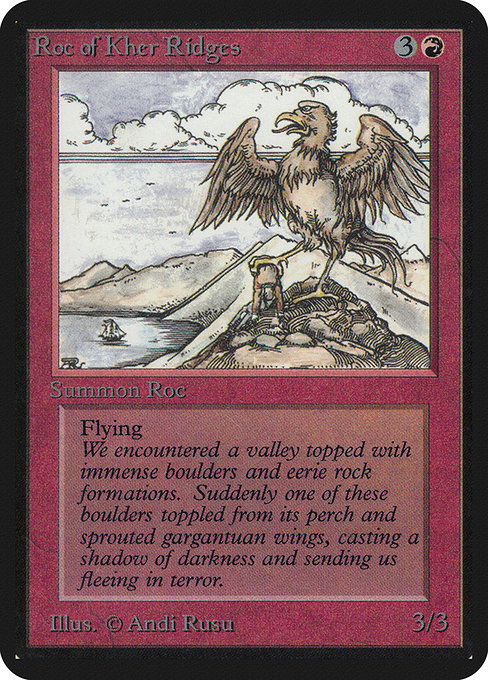


JunkPal may earn a commission when you buy through eBay links, at no extra cost to you.
What’s worth the most
Ranked on medians of real closed eBay sales, not asking prices.