What does “pack pull” mean?
What it means
"Pack pull" is the act of opening sealed collectible products, such as booster packs or sealed boxes, with the objective of acquiring high-value, rare, or desirable individual cards (singles). The core concept is gambling on potential return. While the act itself is recreational, for resellers, the sealed product is an investment vehicle whose value is derived almost entirely from the *potential* of the contents, not the pack's intrinsic material worth. The mainstream equivalent is opening sealed inventory for potential resale profit.
What it does to price
Sealed product pricing is volatile and set by perceived rarity potential. A pack from a highly sought-after set can command a premium of 2x to 5x the combined face value of its contents if those contents are known to be low-tier. Conversely, packs from sets with known, low-value inclusions trade at a discount, sometimes 50% less than expected. If a pack is from a "chase" set known for rare inserts, its price can spike instantly. For example, a single pack from a recent high-demand set might sell for $15, even if the expected card value is only $5, because the potential for a $100 pull exists.
How to spot it
Identifying legitimate pack pulls requires verifying the product's seal integrity and authenticity. Look for factory seals, holographic stickers, or tamper-evident bands that are intact. Sellers must provide high-resolution photos of the pack exterior, focusing on any unique print identifiers or series markings visible on the packaging. Common issues include repackaging (where contents are swapped into a new, unsealed wrapper) or counterfeit packs that mimic official printing quality. Always check the set numbering on the packaging against known official releases.
Buying smart
Paying a premium for sealed product is justifiable only when the set has demonstrated high market velocity or contains verifiable, scarce chase cards. Buying packs from sets with low perceived value or those that have been heavily saturated in the secondary market is a poor investment. A fair deal involves comparing the asking price against the historical average price of that specific pack type within that specific release window. If the asking price exceeds 1.5x the known average for that product, further justification (like a known high-value variant) is required.
Selling smart
Listing sealed product requires clear documentation to justify the premium. The listing must explicitly state the product's condition (e.g., "Mint Sealed," "Factory Sealed"). The single most valuable element in a listing is a photo clearly showing the original manufacturer's security seal or holographic branding. Using the specific set name and edition number in the title attracts informed buyers willing to pay for authenticity and potential.
On eBay right now
Current asking prices from live listings — not sold-comp medians.

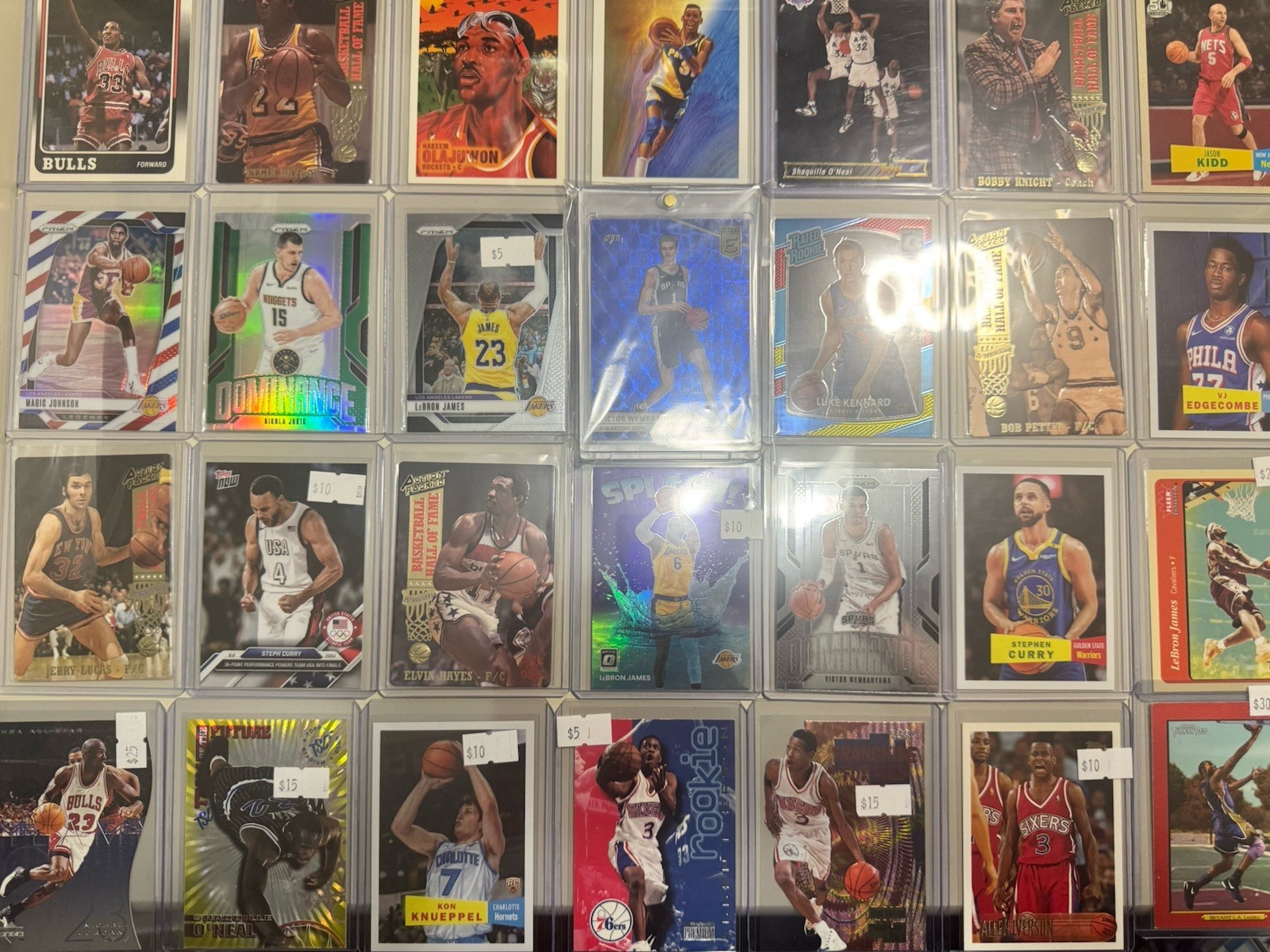
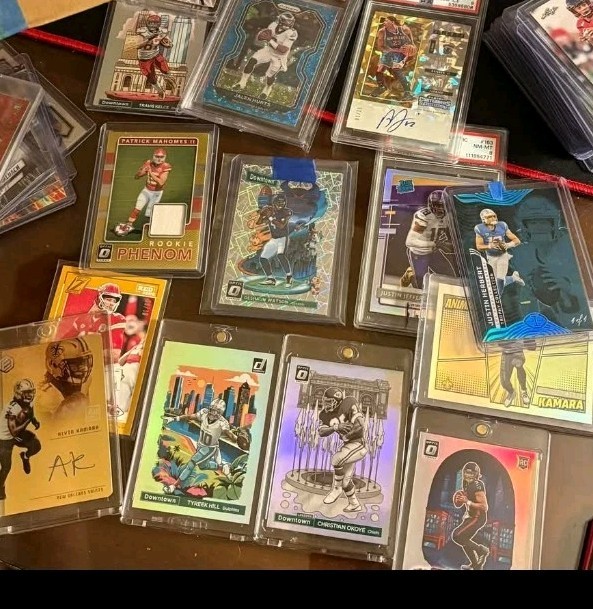

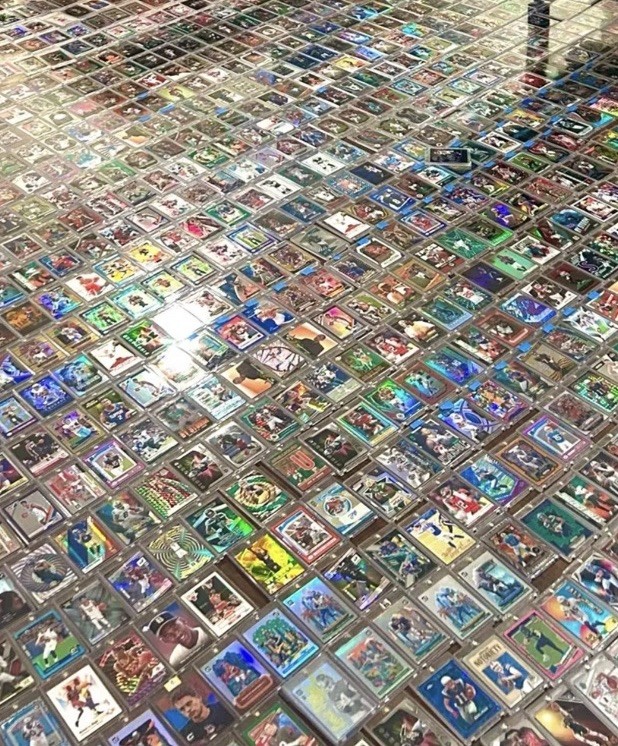

eBay links are affiliate links: JunkPal may earn a commission at no cost to you.
Resale values related to pack pull
Shop pack pull on eBay ↗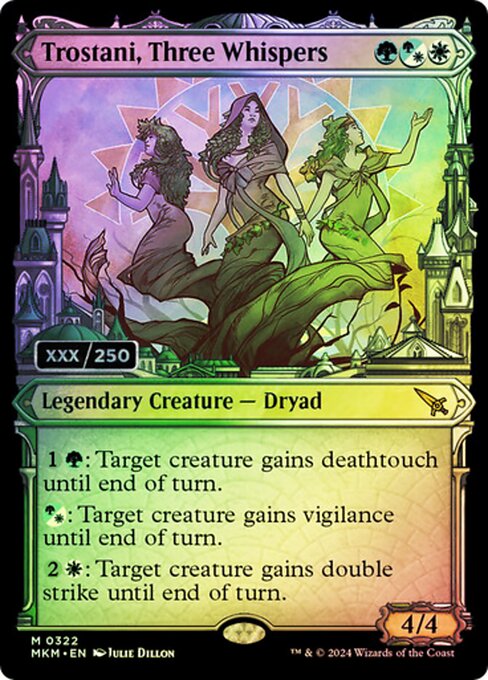

JunkPal may earn a commission when you buy through eBay links, at no extra cost to you.
What’s worth the most
Ranked on medians of real closed eBay sales, not asking prices.