What does “pack opening” mean?
What it means
Pack opening refers to the process of breaking open sealed collectible products, such as booster packs, wax boxes, or sealed graded card cases. This is the primary mechanism for introducing new, unverified inventory into the secondary market. The term is synonymous with "breaking sealed product." The value derived from a pack opening is not inherent in the pack itself, but entirely contingent upon the rarity, condition, and market demand of the cards retrieved.
What it does to price
The price of the *pack* is a gamble against the potential value of the *contents*. A single pack's retail price is usually negligible compared to a high-value pull. A pack containing one verifiable "hit" (a rare, sought-after card) can immediately multiply the perceived value of the entire purchase by 10x to 50x, depending on the card's market tier. Conversely, a pack yielding only commons or low-tier rookies might sell for 0.5x to 1x its initial purchase price, factoring in the time spent opening it. For example, spending \$5 on a pack that yields a common card results in a net loss of \$4.50 to \$5.
How to spot it
There are no inherent tells on the *process* of opening, only on the *product* being opened. Sellers must provide clear images of the sealed product *before* opening. Look for verifiable production codes, specific foil patterns, or numbered parallels unique to the set. A common mistake is misrepresenting the contents of a sealed product; a seller claiming a "pack with a guaranteed hit" without verifiable proof is a red flag. If the seller is selling opened product, the condition report must be precise—e.g., "Near Mint," not just "Good."
Buying smart
Paying a premium for unopened product is viable only when the set is highly anticipated, the manufacturer has a history of high-value pulls, or the market is experiencing a strong speculative run. Buying packs from reputable, established dealers minimizes risk. The purchase is a speculative investment, not a guaranteed return. A fair deal involves the pack price being significantly below the potential value of the top 1-2 tier cards in the set, while still covering the cost of the opening process.
Selling smart
When selling cards derived from a pack opening, documentation is critical. Photos of the original sealed product, coupled with clear, high-resolution images of the pulled card *in its protective holder*, establish provenance. The phrase "Pulled from sealed [Set Name] product" adds immediate credibility. This proof allows the seller to command a premium over loose, unverified cards, as it validates the card's origin and condition relative to the sealed product's integrity.
On eBay right now
Current asking prices from live listings — not sold-comp medians.

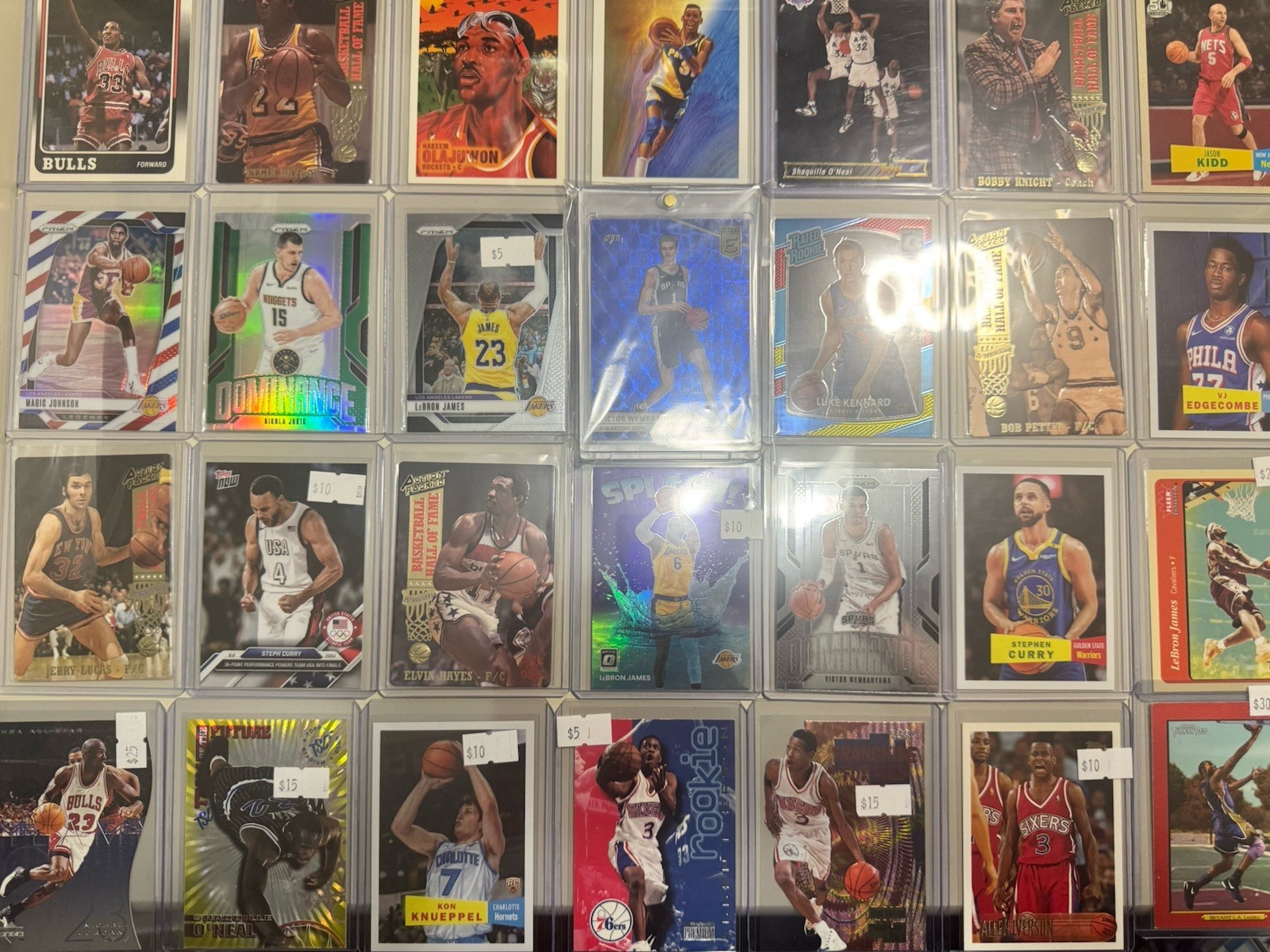
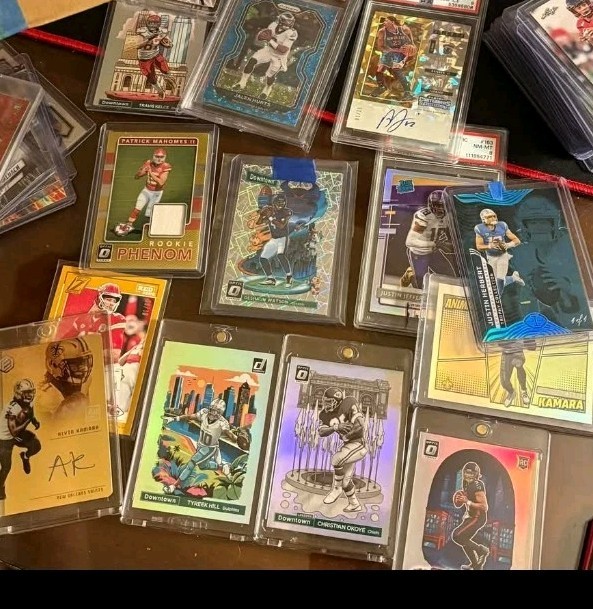

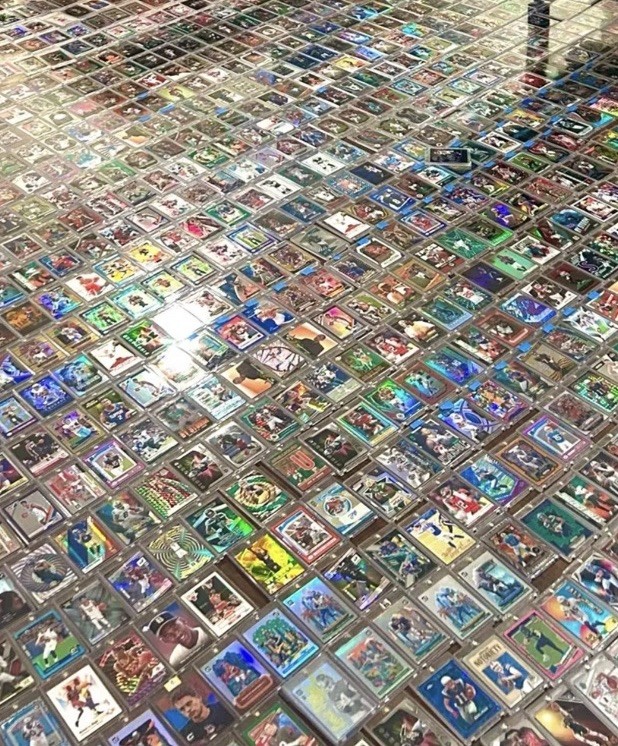

eBay links are affiliate links: JunkPal may earn a commission at no cost to you.
Resale values related to pack opening
Shop pack opening on eBay ↗


![Charizard [Box Topper] #S1](/api/images/junkpal-products/cards/charizard-box-topper-s1-pokemon-legendary-collection-card/img0/thumb.webp)


![Eevee [Sparkle] #133](/api/images/junkpal-products/cards/eevee-sparkle-133-pokemon-2000-topps-chrome-card/img0/thumb.webp)
JunkPal may earn a commission when you buy through eBay links, at no extra cost to you.
What’s worth the most
Ranked on medians of real closed eBay sales, not asking prices.