What does “pack contents” mean?
What it means
Pack contents detail the exact inventory inside a sealed product. This includes every card, insert, and promotional item within a booster pack, display box, or sealed case. It is the specific manifest of the product. The mainstream equivalent is "product specification." For collectors and resellers, this goes beyond a simple list; it refers to the *potential* value locked within the seal. The composition dictates the expected pull rate for high-value, rare, or chase cards.
What it does to price
The contents directly determine the sealed item's floor price. A pack advertised with a high probability of containing a specific rare subset (e.g., "Parallels Guaranteed") commands a significant premium. If a pack is known to contain only commons and common inserts, its value drops toward the base cost of the materials. A pack containing a guaranteed chase card might fetch 3x to 8x the price of a standard pack from the same set. Conversely, if a manufacturer mislabels the contents, leading to an under-priced listing, the reseller can profit significantly. A pack expected to yield a $500 chase card might sell for $150, whereas a pack known to only yield $5 cards sells for $15.
How to spot it
Identifying true pack contents requires cross-referencing the product packaging against official manufacturer checklists. Look for specific print identifiers, foil patterns, or set numbering on the packaging itself. Some sets use unique card backs or specific numbering schemes that confirm the contents are authentic to that release. A common mistake is misidentifying a promotional insert as a standard pull. Sellers should provide high-resolution photos of the outer packaging, specifically any regulatory or contents-listing stickers. Be wary of "mystery boxes" where the contents are intentionally obscured; these carry maximum risk.
Buying smart
Paying a premium for sealed product is justified only when the documented contents offer a high probability of hitting a specific, valuable card type—such as a specific rookie card or a highly sought-after parallel variant. If the contents are generic (e.g., "standard set distribution"), the premium should be minimal, reflecting only the cost of the sealed product itself. A fair deal involves the asking price being within 1.5x to 2x the established market rate for the base product, unless a specific, high-value pull is guaranteed. Avoid paying more than 3x the base rate unless the contents promise a specific, rare item.
Selling smart
Listing with verified pack contents significantly reduces buyer hesitation and justifies higher pricing. Instead of listing as "Sealed Booster Box," listing as "Sealed Booster Box – Guaranteed 1/1 Chase Card Pull" immediately targets a higher-tier buyer. The single most effective element is providing a photo of the official product checklist or a clear shot of the manufacturer's seal that references the contents. This documentation shifts the item from being a gamble to a calculated investment, allowing for a premium markup that reflects the known potential value.
On eBay right now
Current asking prices from live listings — not sold-comp medians.


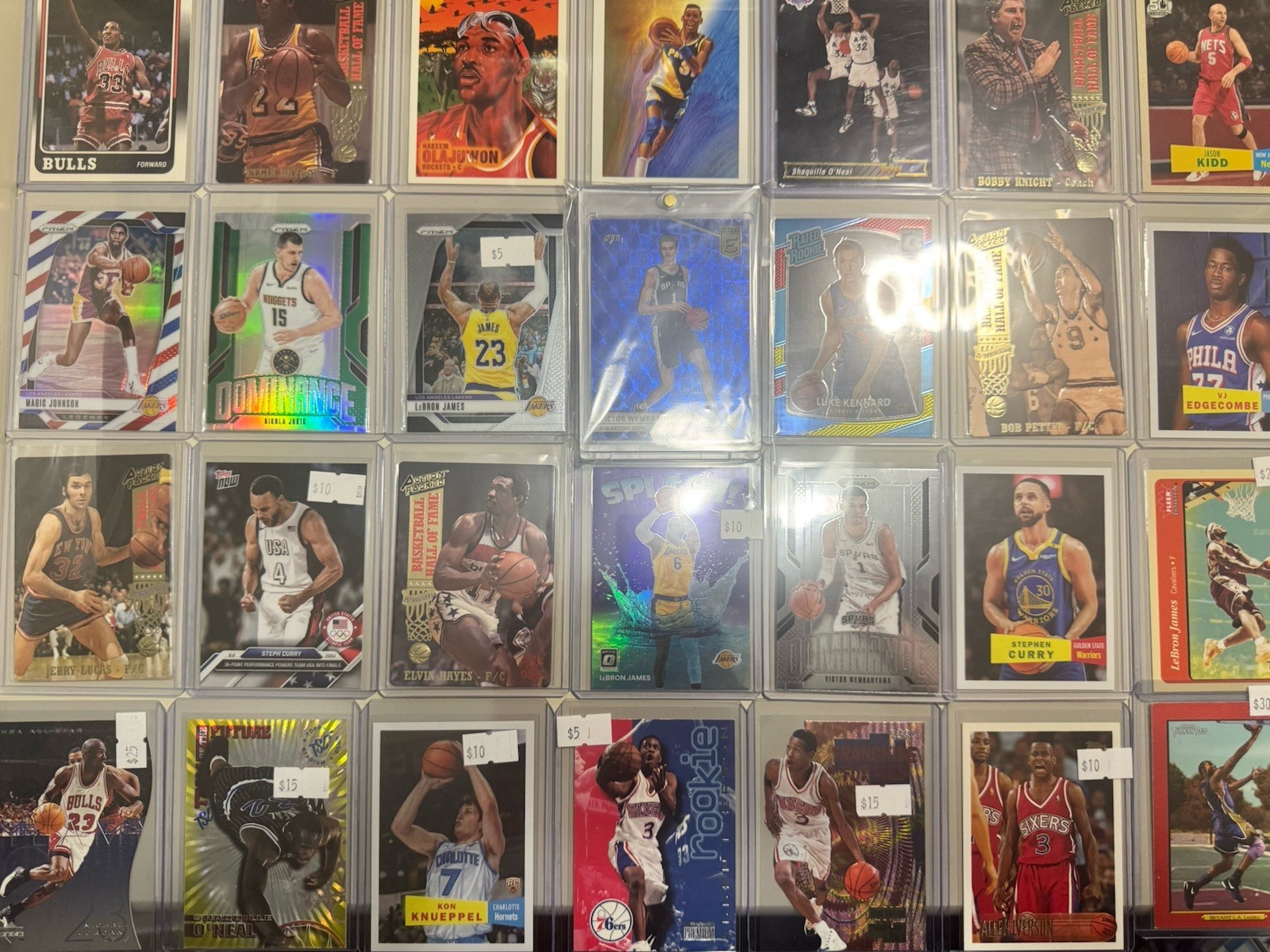
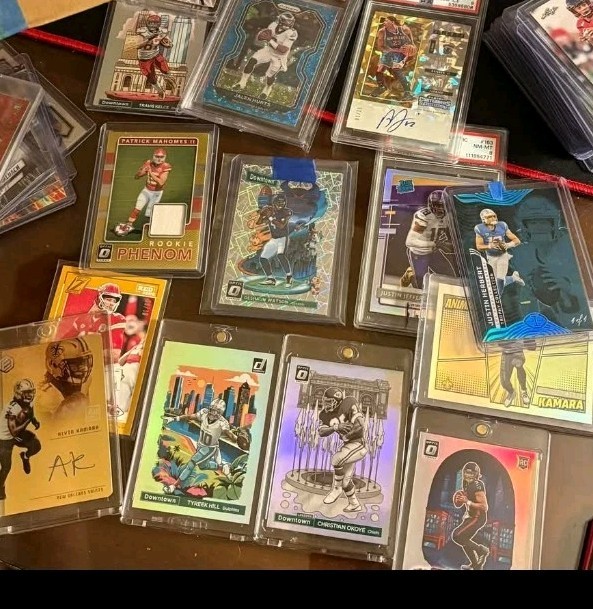


eBay links are affiliate links: JunkPal may earn a commission at no cost to you.
Resale values related to pack contents
Shop pack contents on eBay ↗


![Espeon [Gold Star] #16](/api/images/junkpal-products/cards/espeon-gold-star-16-pokemon-pop-series-5-card/img0/thumb.webp)
JunkPal may earn a commission when you buy through eBay links, at no extra cost to you.
What’s worth the most
Ranked on medians of real closed eBay sales, not asking prices.