What does “opening ceremony” mean?
What it means
"Opening ceremony" refers to the specific, initial distribution event for a trading card set. It is not a condition or grading standard. The term designates cards pulled from the very first print runs or exclusive promotional items released at the launch of a new series. Mainstream equivalent: "First Release Pull." The significance is provenance—the card's documented connection to the debut of the product line. Cards tied to these events are valued for their historical context and association with high initial demand.
What it does to price
The association with an opening ceremony can add a premium, typically ranging from 20% to 75% over a standard loose card from the same set, assuming the card itself is otherwise comparable. A chase card pulled from the initial ceremony batch might fetch 1.8x to 3x the price of a standard pull from the same set. If a highly sought-after rookie card from a ceremony release sells for $100 loose, the same card documented as being from the opening ceremony might command $120 to $175. Factors pushing the price up include verified event attendance records or specific event-exclusive numbering.
How to spot it
Verification relies on physical evidence. Look for specific set identifiers, promotional stickers, or unique card numbering sequences that differ from standard retail packaging. Sellers should provide high-resolution photos of the card's edges and back, specifically looking for any unique print variations or event stamps. Common mistakes include mislabeling a standard first-week pull as an "opening ceremony" exclusive. Fakes might replicate event logos but lack the specific serial numbering or unique holographic elements tied to that launch.
Buying smart
Paying a premium is justified when the card is a genuine, high-tier chase pull (e.g., a rookie or a major parallel) from the opening ceremony. If the card is a common or low-tier pull, the premium is rarely worth the cost unless the set itself is extremely rare. A fair deal involves the premium being proportional to the scarcity of the card *within* that opening batch. If the difference between a standard pull and an opening pull is less than 30% for a mid-tier card, the premium is likely inflated.
Selling smart
Listing the provenance is critical for maximizing return. Do not just state "Opening Ceremony." Specify the exact event, date, and set name (e.g., "2023 Apex League Opening Ceremony Pull"). The single most valuable asset in a listing is photographic proof of the card's origin—a picture showing the card alongside event memorabilia or packaging from that specific launch. This documentation shifts the card from being merely "a card from the set" to "a piece of collecting history."
On eBay right now
Current asking prices from live listings — not sold-comp medians.

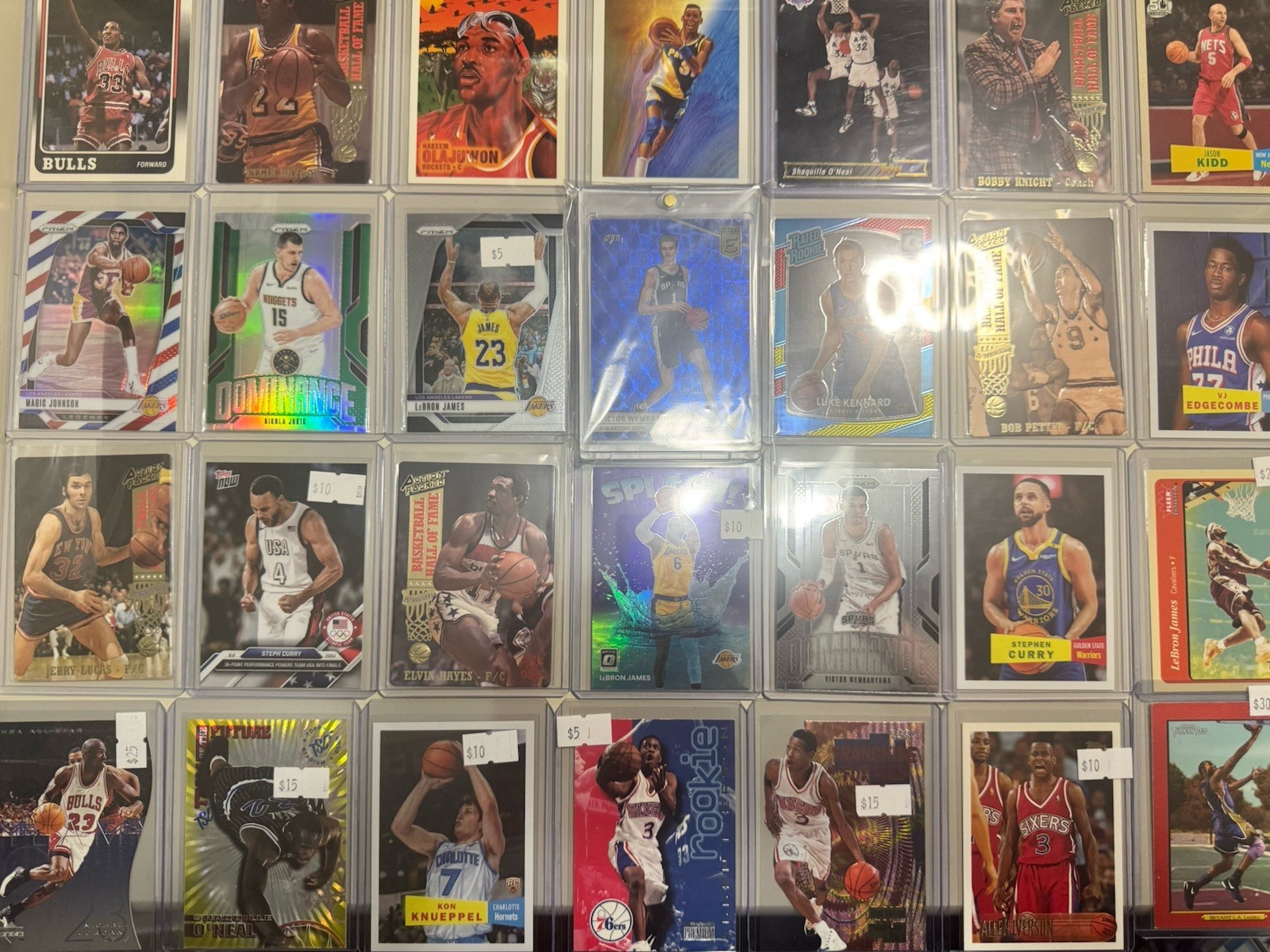
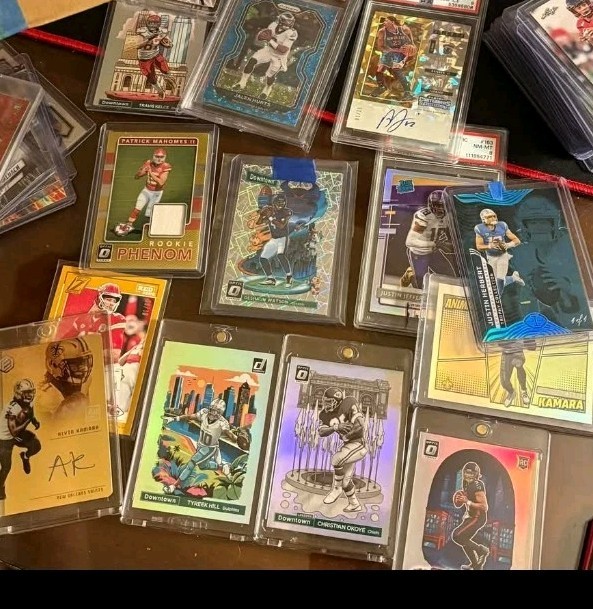


eBay links are affiliate links: JunkPal may earn a commission at no cost to you.
Resale values related to opening ceremony
Shop opening ceremony on eBay ↗




![Kabutops [Sparkle] #141](/api/images/junkpal-products/cards/kabutops-sparkle-141-pokemon-2000-topps-chrome-card/img0/thumb.webp)
JunkPal may earn a commission when you buy through eBay links, at no extra cost to you.
What’s worth the most
Ranked on medians of real closed eBay sales, not asking prices.