What does “opening” mean?
What it means
"Opening" in the trading card context refers specifically to the factory-sealed, untouched state of a product—a booster pack, sealed display box, or slabbed product still in its original manufacturer packaging. This is the opposite of a "loose" card or a "broken" pack. The term denotes the item's factory integrity. The value is tied to the *potential* contained within the seal, not the specific cards inside. The primary focus is the preservation of the outer packaging, including foil integrity, seals, and manufacturer markings.
What it does to price
Sealed product commands a significant premium over loose contents. A factory-sealed pack or box typically fetches 2x to 5x the value of the average card inside, depending on the set's scarcity and current market demand. Factors that increase value include perfect foil condition, unbroken seals, and rarity of the specific product line (e.g., convention exclusives). Damage, such as creasing on the outer wrapper, pinholes, or compromised seals, can immediately drop value by 30% to 60%. For example, a mint, sealed pack of a highly sought-after set might sell for $150, whereas the same pack if visibly opened or damaged might sell for $40-$60.
How to spot it
Authenticity hinges on minute details. Examine the manufacturer's printing quality—sharpness, color registration, and foil texture must be consistent with known authentic examples. Seals should be factory-applied, not tape residue. Common mistakes include aftermarket tampering (e.g., someone resealing a damaged pack) or poor storage causing seal discoloration. Sellers must provide high-resolution, well-lit photos of all edges and the seal area. Buyers should request photos showing the specific product code or batch number printed on the packaging, as this verifies the run.
Buying smart
Paying a premium for sealed product is justified when the set is highly desirable, has confirmed high-tier chase cards (e.g., Gold or Secret parallels), or when the item is part of a short-print, limited-run release. It is not worth the premium for common, mass-produced sets where the chance of hitting a high-value card is statistically low. A fair deal involves comparing the asking price against recent sales data for *sealed* copies of the exact same product, not just the loose card values. If the premium seems disproportionate to the set's overall hype, the risk is too high.
Selling smart
To command the highest price, the listing must unequivocally prove the item is factory-sealed and undamaged. The single most effective element is a clear, close-up photograph of the manufacturer's seal area, showing no signs of tampering or wear. Use the term "Factory Sealed," "Mint Sealed," or "Unopened" prominently in the title. Describing the condition of the packaging (e.g., "Perfect Foil, Factory Seal Intact") justifies the top-tier pricing bracket. Do not list it as "Near Mint" if it is sealed; use sealed terminology to attract the correct buyer pool.
On eBay right now
Current asking prices from live listings — not sold-comp medians.

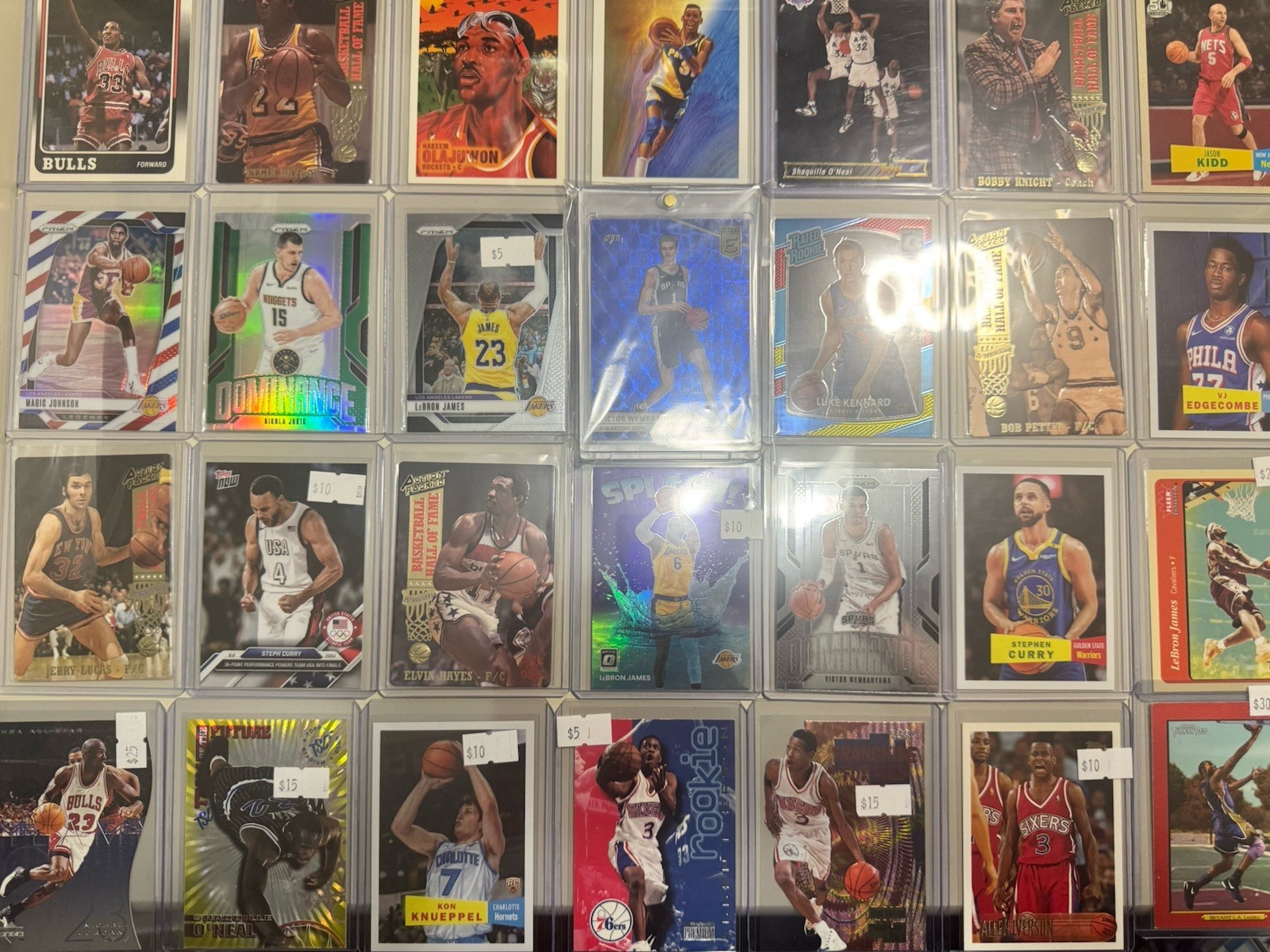
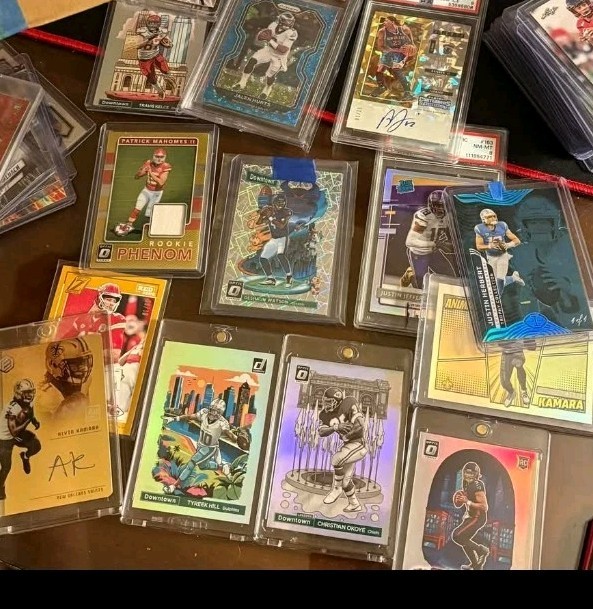


eBay links are affiliate links: JunkPal may earn a commission at no cost to you.
Resale values related to opening
Shop opening on eBay ↗

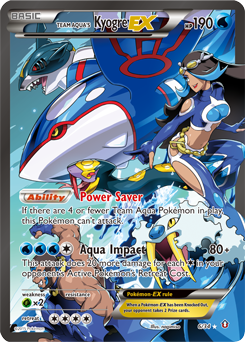
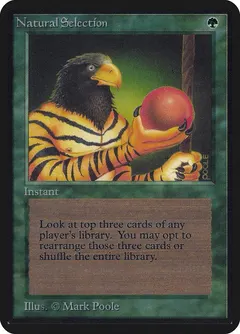
![Mr. Mime [Sparkle] #122](/api/images/junkpal-products/cards/mr-mime-sparkle-122-pokemon-2000-topps-chrome-card/img0/thumb.webp)


JunkPal may earn a commission when you buy through eBay links, at no extra cost to you.
What’s worth the most
Ranked on medians of real closed eBay sales, not asking prices.