What does “one of one” mean?
What it means
"One of one" (often abbreviated as "1/1") means the item is the single, verifiable copy of that specific design, variant, or piece created. This is not a limited edition; it is absolute singularity. In the trading card niche, this designation applies to unique artist proofs, test prints, or items explicitly designated as unique by the manufacturer. The mainstream equivalent is a unique artifact, but in collecting, it carries a specific, quantifiable scarcity that drives value beyond general rarity.
What it does to price
The price multiplier for a certified 1/1 piece is substantial, often starting at 5x to 20x the value of a comparable, high-grade common or rare card from the same set, depending on the subject matter's desirability. A standard, high-grade chase card might sell for \$500. A verified 1/1 version of that same card, if highly desirable, could easily fetch \$5,000 to \$10,000 or more. Factors pushing the price up include the subject's cultural significance (e.g., a major athlete's debut), and the quality of the accompanying documentation. Price drops occur if the provenance is weak or if the card is found to be a highly convincing, yet non-official, replica.
How to spot it
The tell is documentation, not just appearance. Authentic 1/1s usually carry specific production markers, such as a unique serial number printed on the card itself (e.g., "1/1"), or they are accompanied by a Certificate of Authenticity (COA) directly from the issuing company or a recognized third-party authenticator. Sellers must provide high-resolution photos of the card's edges, corners, and any unique markings. Common mistakes involve sellers mislabeling a rare, low-print-run card as a true 1/1. Fakes often lack the specific, subtle printing imperfections or unique security features of genuine unique items.
Buying smart
Paying a premium for a 1/1 is justified only when the item possesses undeniable cultural or historical significance within the collecting sphere. If the card is a minor variant of an already common subject, the premium is unlikely to be worth the risk. A fair deal requires a verified, reputable third-party grading/authentication service (e.g., PSA, BGS) to back the claim of uniqueness. If the seller provides only a self-written note stating it is unique, the price should be discounted by at least 50% until independent verification is secured.
Selling smart
Listing a 1/1 requires the documentation to be the primary focus of the listing, not just the card image. The single most valuable element is the verifiable provenance. A listing that states, "Certified 1/1 by [Reputable Company Name]," immediately shifts the buyer's focus from condition to absolute scarcity. This verification allows the seller to command the top tier of the market, often netting 3x to 5x more than an unverified listing of the same item.
On eBay right now
Current asking prices from live listings — not sold-comp medians.
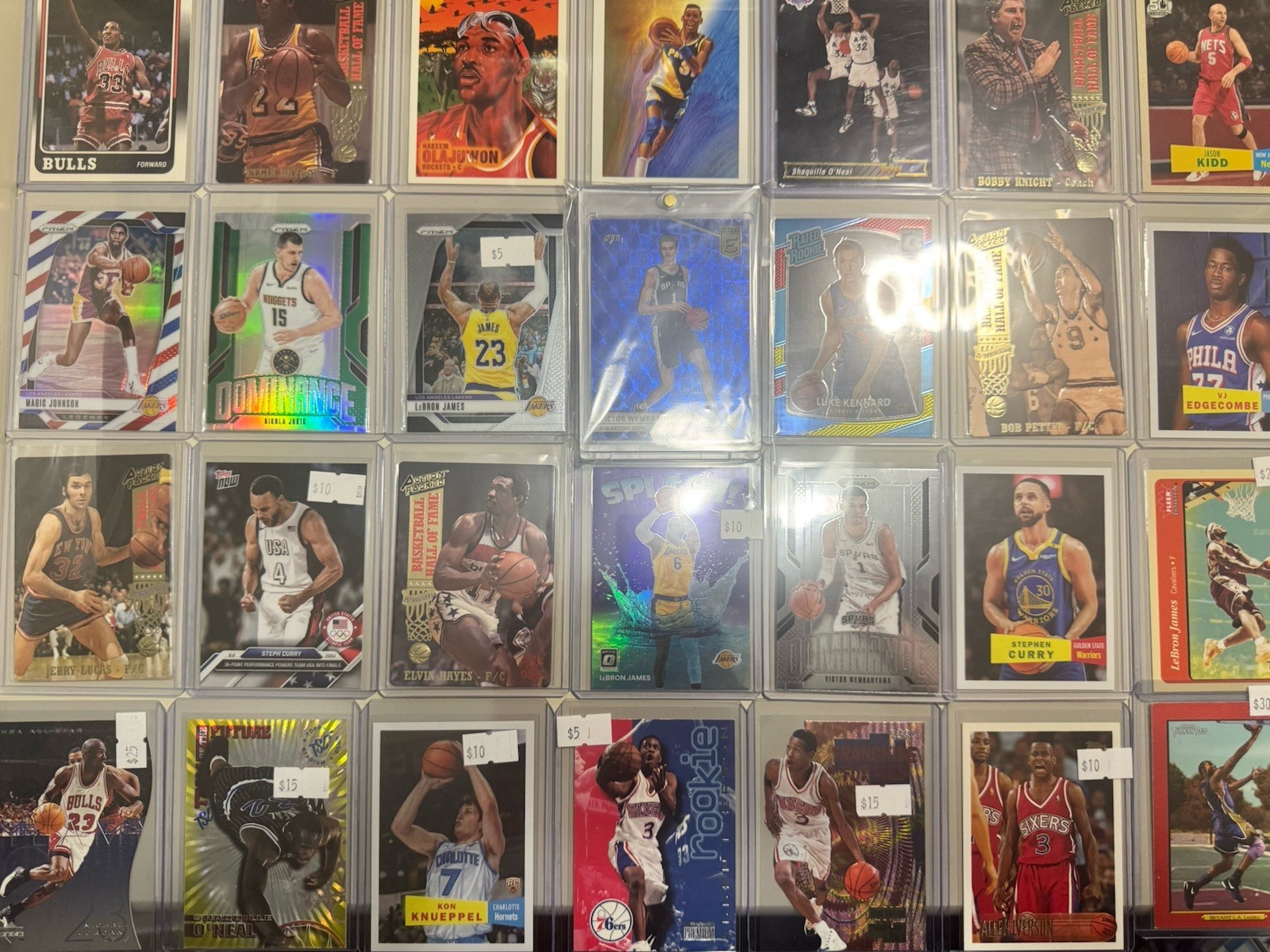

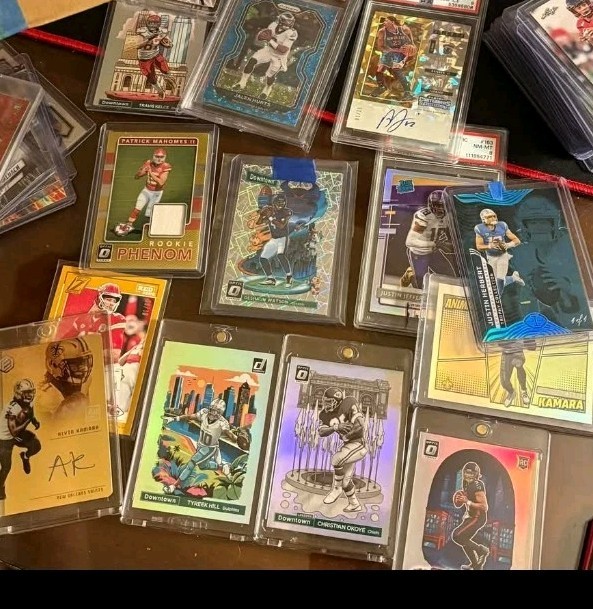
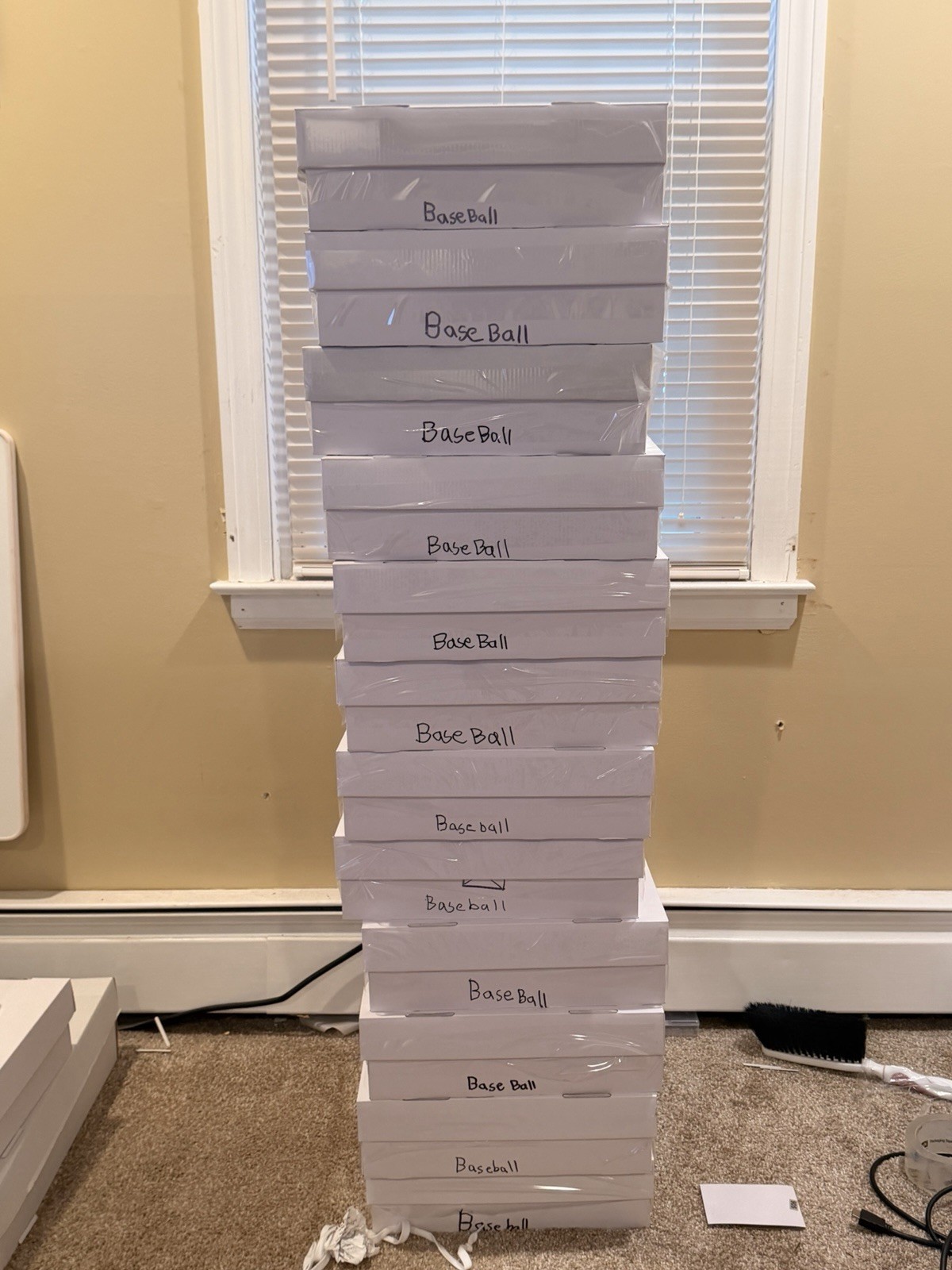
eBay links are affiliate links: JunkPal may earn a commission at no cost to you.
Resale values related to one of one
Shop one of one on eBay ↗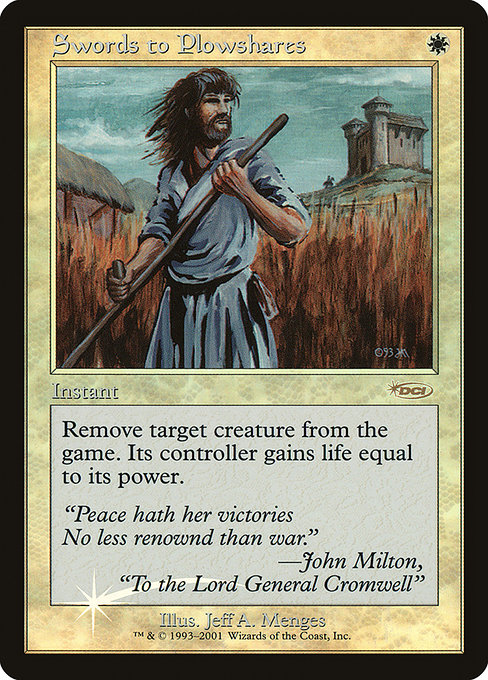
![Rhydon [Tekno] #112](/api/images/junkpal-products/cards/rhydon-tekno-112-pokemon-2000-topps-chrome-card/img0/thumb.webp)



JunkPal may earn a commission when you buy through eBay links, at no extra cost to you.
What’s worth the most
Ranked on medians of real closed eBay sales, not asking prices.