What does “offset printing” mean?
What it means
Offset printing is the industrial method used to apply ink to trading card stock. This process involves transferring ink from a printing plate, through a rubber blanket, and onto the card surface. In the context of collecting, it is the standard mass-production technique, analogous to commercial lithography. The term itself is neutral; it describes the mechanism. Value is not derived from the presence of offset printing, but from the *quality* of the execution of that printing process.
What it does to price
Print quality directly correlates with grade and potential premium. Flaws are bifurcated: errors (like significant misregistration or heavy ink bleed) can create sought-after "error variants," potentially multiplying the value of a specific card variant by 2x to 5x compared to a perfect copy. Conversely, poor, faded, or heavily smudged printing on a standard card lowers value. A standard, high-grade copy with perfect offset printing commands a baseline premium over a damaged copy. For example, a pristine, sharp-printed rookie card might sell for $150, while the same card with noticeable ink bleed might sell for $80.
How to spot it
Examine the card under strong, direct light. Look for registration alignment—where colors meet, they must be crisp, not blurred or overlapping incorrectly. Check for "dot gain" or "ink bloom," where the ink spreads beyond its intended boundary on the card stock. Authentic production errors are usually repeatable and consistent across a small batch, not random smudges. Fakes sometimes use digital printing that mimics offset but lacks the specific texture or ink density of true offset runs. Request high-resolution, close-up photos of the card's borders and color breaks.
Buying smart
Paying a premium for print quality is justified when acquiring a card intended for investment grading (PSA, BGS). For high-end cards, flawless printing is a prerequisite for a Gem Mint grade. If a card is being purchased for casual collection, minor print imperfections are acceptable if the card is otherwise centered and clean. A fair deal involves a price that reflects the *condition* of the print relative to the card's overall grade. If a seller claims "perfect print" but the image shows obvious registration issues, the price is inflated.
Selling smart
Listing must accurately describe the print condition. Use specific terminology: "Sharp registration," "Minor ink bleed on border," or "Confirmed production error variant." If the print is flawless, state it clearly; this supports a higher asking price in the investment market. If an error exists, label it as such, as error collectors pay a specific premium for that documented flaw. The single most valuable photo is a macro shot focusing on a complex color transition area, allowing a buyer to verify the ink alignment themselves.
On eBay right now
Current asking prices from live listings — not sold-comp medians.

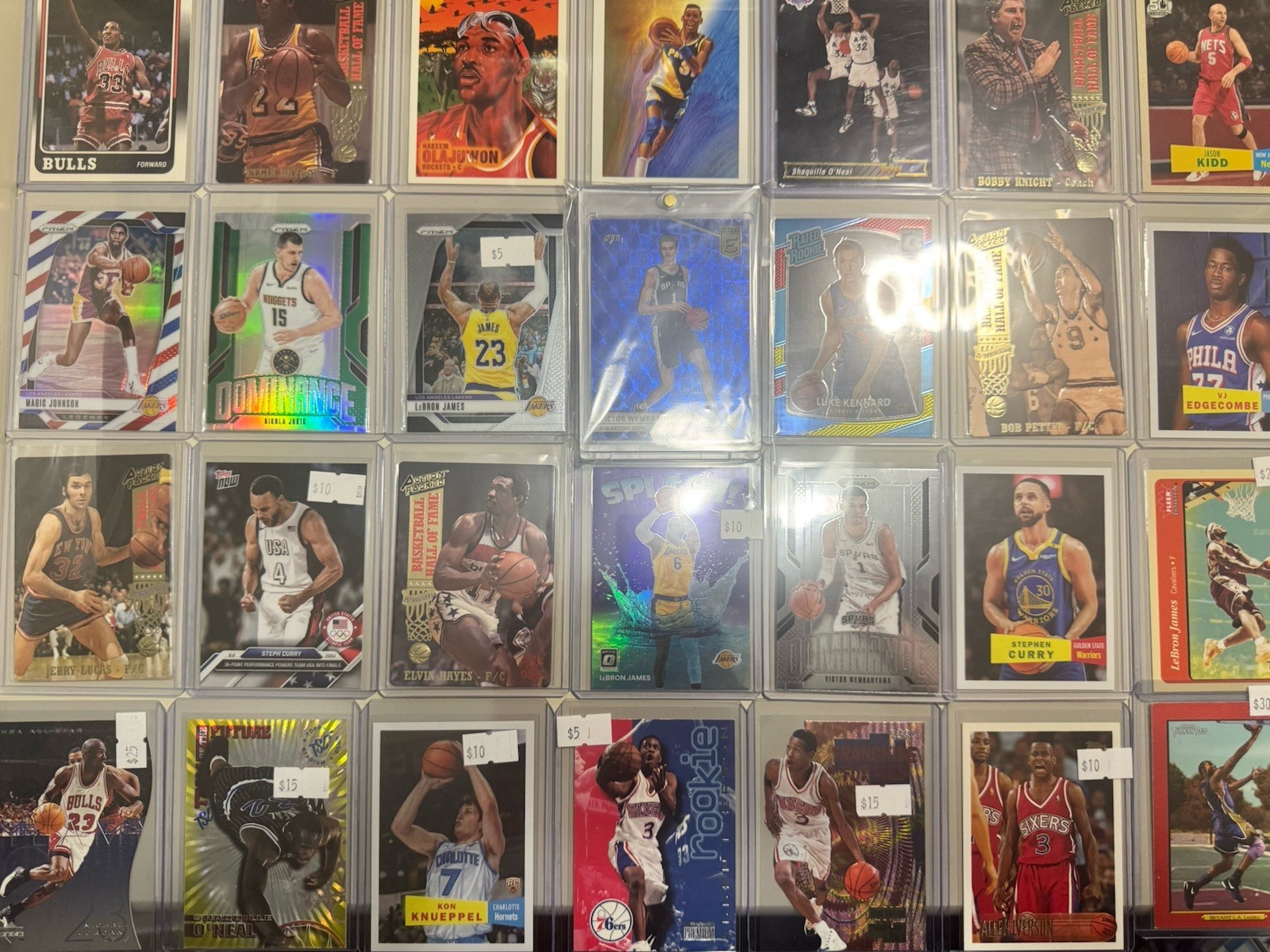
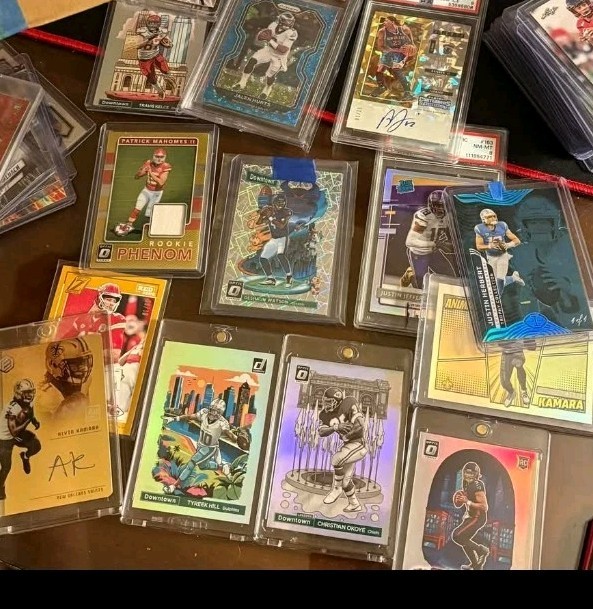


eBay links are affiliate links: JunkPal may earn a commission at no cost to you.
Resale values related to offset printing
Shop offset printing on eBay ↗


![Charizard [Sparkle] #6](/api/images/junkpal-products/cards/charizard-sparkle-6-pokemon-2000-topps-chrome-card/img0/thumb.webp)


JunkPal may earn a commission when you buy through eBay links, at no extra cost to you.
What’s worth the most
Ranked on medians of real closed eBay sales, not asking prices.