What does “off-center” mean?
What it means
Off-center refers to the misalignment of the card’s primary artwork or design relative to the card’s physical borders. A perfectly centered card has the image equidistant from all four edges. An off-center card has the image shifted toward one side or corner. This is a manufacturing defect, not damage. In the mainstream collecting world, this is often called "poor centering." For grading purposes, centering is a key component of the overall condition score, typically rated on a 1-10 scale, where 9 or 10 requires near-perfect centering.
What it does to price
Centering is a significant negative attribute. A perfectly centered, high-grade card can fetch a premium multiplier of 2x or more compared to a poorly centered copy of the same card. Conversely, a card with severe off-centering (e.g., 30% or more off-center) can see its value drop by 30% to 60% compared to a centered counterpart. For a common card, the difference might be negligible, but for a $500 chase card, a noticeable shift could equate to a $150 to $300 reduction in realized value. Minor shifts are penalized heavily by professional graders.
How to spot it
Spotting off-center requires viewing the card flat under strong, direct light. The tells are visible gaps between the card border and the artwork. Check the top, bottom, left, and right edges individually. Some cards have printed edition numbers or logos near the corners; if these are skewed relative to the card's physical corners, the card is off-center. Sellers should provide high-resolution, straight-on photos from multiple angles. Be wary of sellers claiming a card is "perfect" if the photos are dark or blurry, as this hides centering issues.
Buying smart
Paying a premium for a card with noticeable off-centering is generally unwarranted unless the card is extremely rare, and the centering error is minimal (e.g., less than 10% off-center). If a card is worth $100+ and shows clear centering flaws, the buyer should expect a discount of at least 25%. A fair deal involves the asking price reflecting the known centering defect. If the centering is severe, the card should be treated as a lower-tier investment, regardless of its rarity.
Selling smart
Transparency regarding centering maximizes buyer trust and price realization. Listing the centering status explicitly—e.g., "Centering: 8/10" or "Slightly Off-Center"—prevents disputes. If the card is professionally graded, the grade itself accounts for the centering penalty. If selling raw, a clear, well-lit photo demonstrating the centering flaw is crucial. A single photo showing the image clearly skewed against the white border earns the buyer’s respect and justifies a higher price than a listing that hides the flaw.
On eBay right now
Current asking prices from live listings — not sold-comp medians.

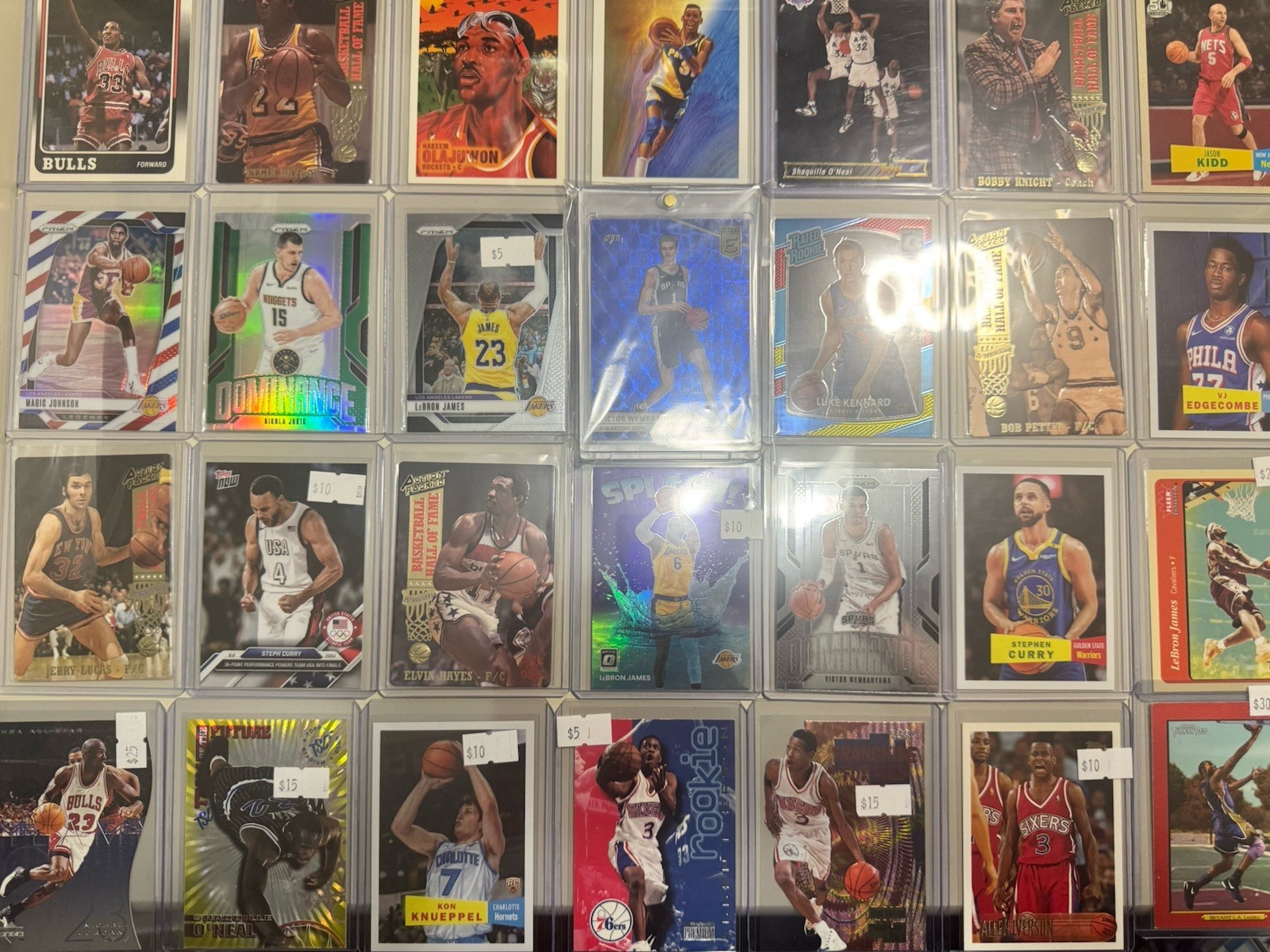
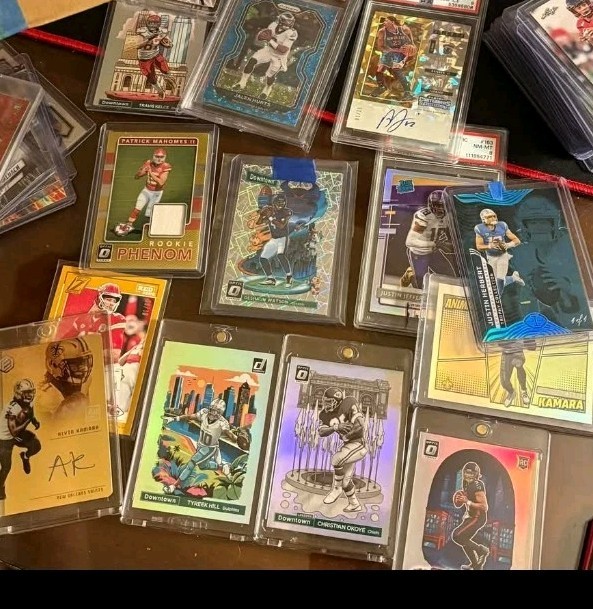


eBay links are affiliate links: JunkPal may earn a commission at no cost to you.
Resale values related to off-center
Shop off-center on eBay ↗



JunkPal may earn a commission when you buy through eBay links, at no extra cost to you.
What’s worth the most
Ranked on medians of real closed eBay sales, not asking prices.