What does “numbered edition” mean?
What it means
A numbered edition in trading cards signifies a specific subset or run within a larger set where each card possesses a unique, sequential identifier (e.g., /10, /50). This is distinct from a standard base card, which is typically unnumbered. The number denotes the card's position within that limited print run. For collectors, the number is a direct proxy for scarcity. A card numbered /1 is the lowest and most scarce, while a card numbered /100 is less rare than a /5. This concept is the same as limited print runs in other collectible markets.
What it does to price
Numbering creates immediate, non-linear price appreciation. A base card might sell for $2; the same card, if it is a low-numbered parallel (e.g., /5), can easily fetch $50 to $200+ depending on the card's baseline popularity. The multiplier is heavily dependent on the card's inherent desirability; a common player card might see a 5x increase from base to /10, while a superstar rookie card might see a 50x increase from base to /1. High-numbered parallels (e.g., /500) offer minor premiums (1.2x–1.5x) over base, while low-numbered parallels (e.g., /5) command massive premiums (10x–50x+).
How to spot it
The numbering is always printed directly on the card surface, usually in the bottom corner, often alongside a specific identifier like "Parallel" or "Insert." Look for the format: a slash followed by a number (e.g., /25). Sellers must provide high-resolution photos of the card corners and edges to confirm the numbering is genuine and not an aftermarket addition. Common mistakes include misidentifying a high-numbered parallel as a low-numbered one, or confusing a design element for an actual numbering sequence.
Buying smart
Paying a premium for numbered cards is justified when the card possesses high inherent demand (e.g., a rookie card of a top-tier player) and the numbering is extremely low (under /20). If the card is from a less desirable set or features a fringe player, the premium for a high-numbered parallel (e.g., /100) often does not justify the cost over acquiring multiple base copies. A fair deal involves the premium being proportional to the scarcity gap; a /5 card should cost significantly more than a /25 card of the same design.
Selling smart
Listing a numbered card requires absolute clarity regarding the number and the set designation. The listing title must explicitly state the numbering (e.g., "Rookie Card /5"). The single most valuable photo is a close-up, well-lit shot of the card's bottom corner clearly displaying the number. Using the correct scarcity terminology (e.g., "Ultra Rare /5 Parallel") immediately positions the card for buyers willing to pay the premium associated with genuine, verifiable scarcity.
On eBay right now
Current asking prices from live listings — not sold-comp medians.

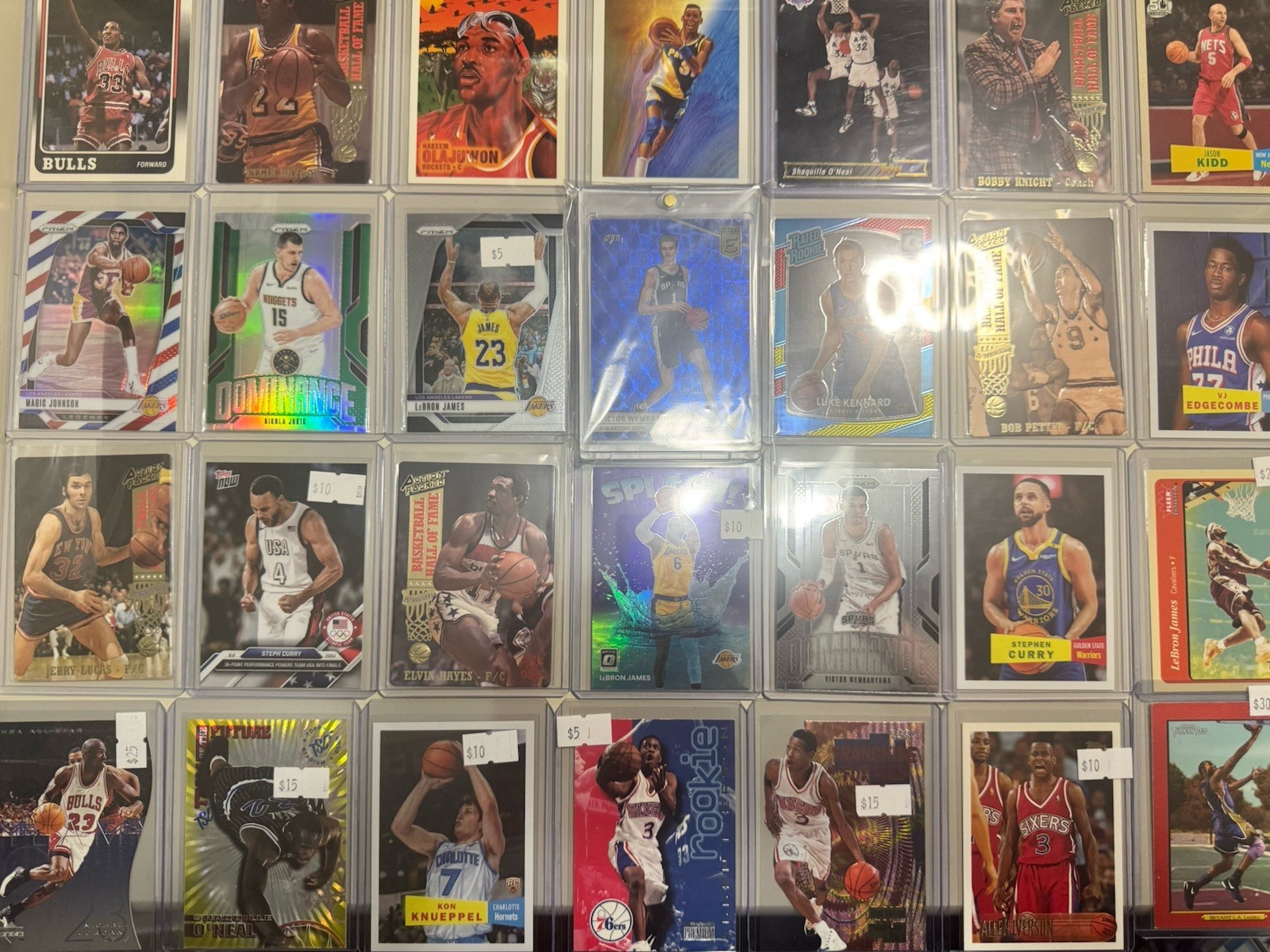
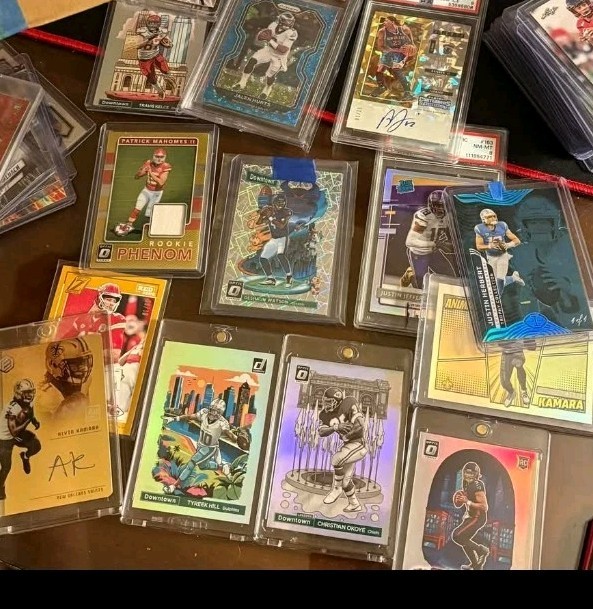

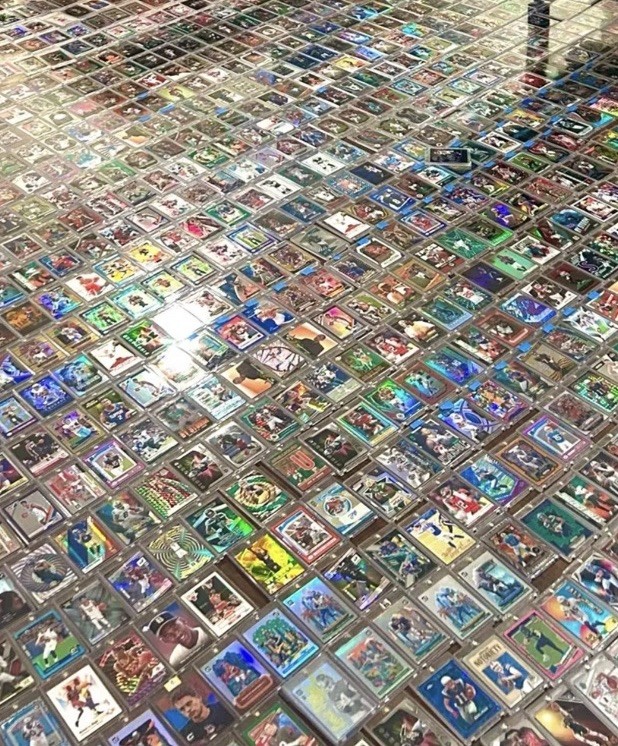

eBay links are affiliate links: JunkPal may earn a commission at no cost to you.
Resale values related to numbered edition
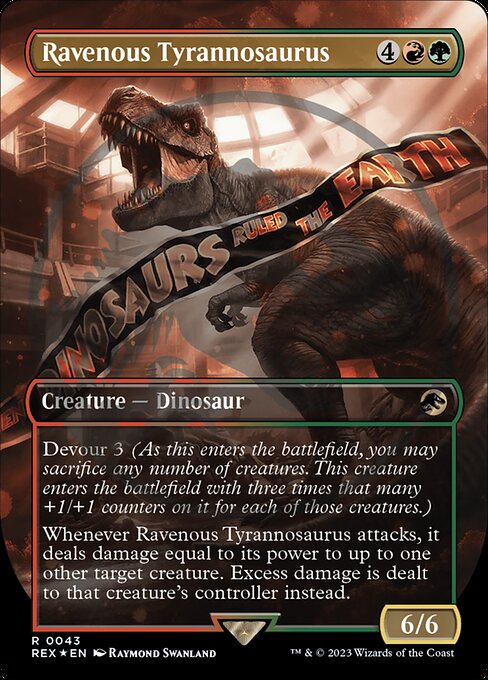
Shop numbered edition on eBay ↗![Electabuzz [Tekno] #125](/api/images/junkpal-products/cards/electabuzz-tekno-125-pokemon-2000-topps-chrome-card/img0/thumb.webp)

![Charizard [Spectra] #6](/api/images/junkpal-products/cards/charizard-spectra-6-pokemon-2000-topps-chrome-card/img0/thumb.webp)
JunkPal may earn a commission when you buy through eBay links, at no extra cost to you.
What’s worth the most
Ranked on medians of real closed eBay sales, not asking prices.