What does “numbered card” mean?
What it means
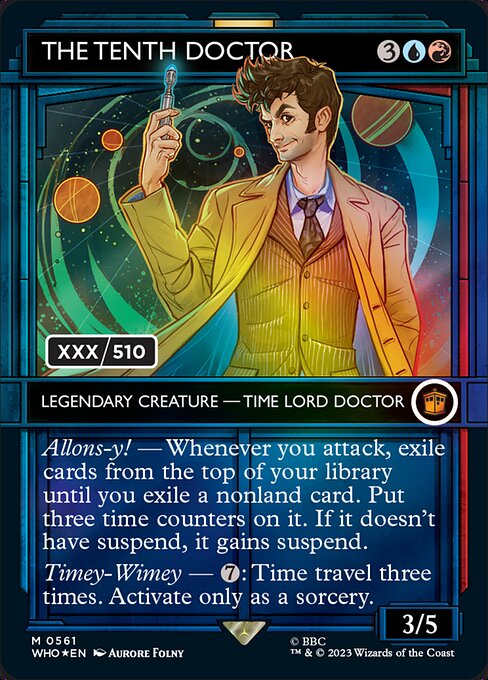
A numbered card is any trading card marked with a specific sequential identifier, such as "1/100" or "5/12". This number signifies the card's position within a defined print run or set edition. Unlike standard cards which are printed in massive, unnumbered quantities, numbered cards are intentionally limited. The number itself is a direct indicator of scarcity. A "1/1" card is a unique, single-edition piece. The numbering system is the primary mechanism for establishing rarity within a set, moving the card from a mass-produced commodity to a scarce collectible asset.
What it does to price
Numbering introduces a direct scarcity premium. A standard, common card might sell for $1-$5. A numbered card, depending on its rarity tier (e.g., 1/50 vs. 50/100), can see price multipliers ranging from 3x to 15x the base card value. Low-numbered parallels (e.g., 1/10) command significantly higher premiums than high-numbered parallels (e.g., 90/100). For example, if a base card is valued at $10, a low-numbered parallel might sell for $50-$100, while a high-numbered parallel might only fetch $20-$30. The total set size is the critical factor in determining the ceiling of the price.
How to spot it
The numbering is physically printed on the card, usually in a specific location designated by the manufacturer (e.g., the bottom right corner). Verify the numbering against the official set checklist for the specific product line. Common errors include mislabeling by the manufacturer or, more frequently, counterfeits. Fakes often have blurry or improperly aligned numbering. Sellers should provide high-resolution photos showing the number clearly, ideally alongside the card's identifying set logo or foil pattern to confirm the printing style matches known authentic examples.
Buying smart
Paying a premium for a numbered card is justified when the card is a low-numbered parallel (e.g., under 10/100) of a highly desirable player or moment, and the set itself is known to be scarce or highly sought after. If the card is a high-numbered parallel (e.g., 80/100) of a mediocre player, the premium is likely inflated and not worth the investment. A fair deal involves the asking price being within 15-25% of the established market average for that specific numbering tier, verified via recent sales data.
Selling smart
Listing a numbered card requires explicit declaration of the number (e.g., "Rookie Card - 3/50"). This single piece of data immediately segments the listing into a higher value tier. The premium is earned by providing proof of the number. A clear, focused photo zooming in exclusively on the numbering element, accompanied by the full set name and year, is the minimum requirement to command the scarcity premium. Omitting the number or listing it vaguely forfeits the collector's highest valuation tier.
On eBay right now
Current asking prices from live listings — not sold-comp medians.

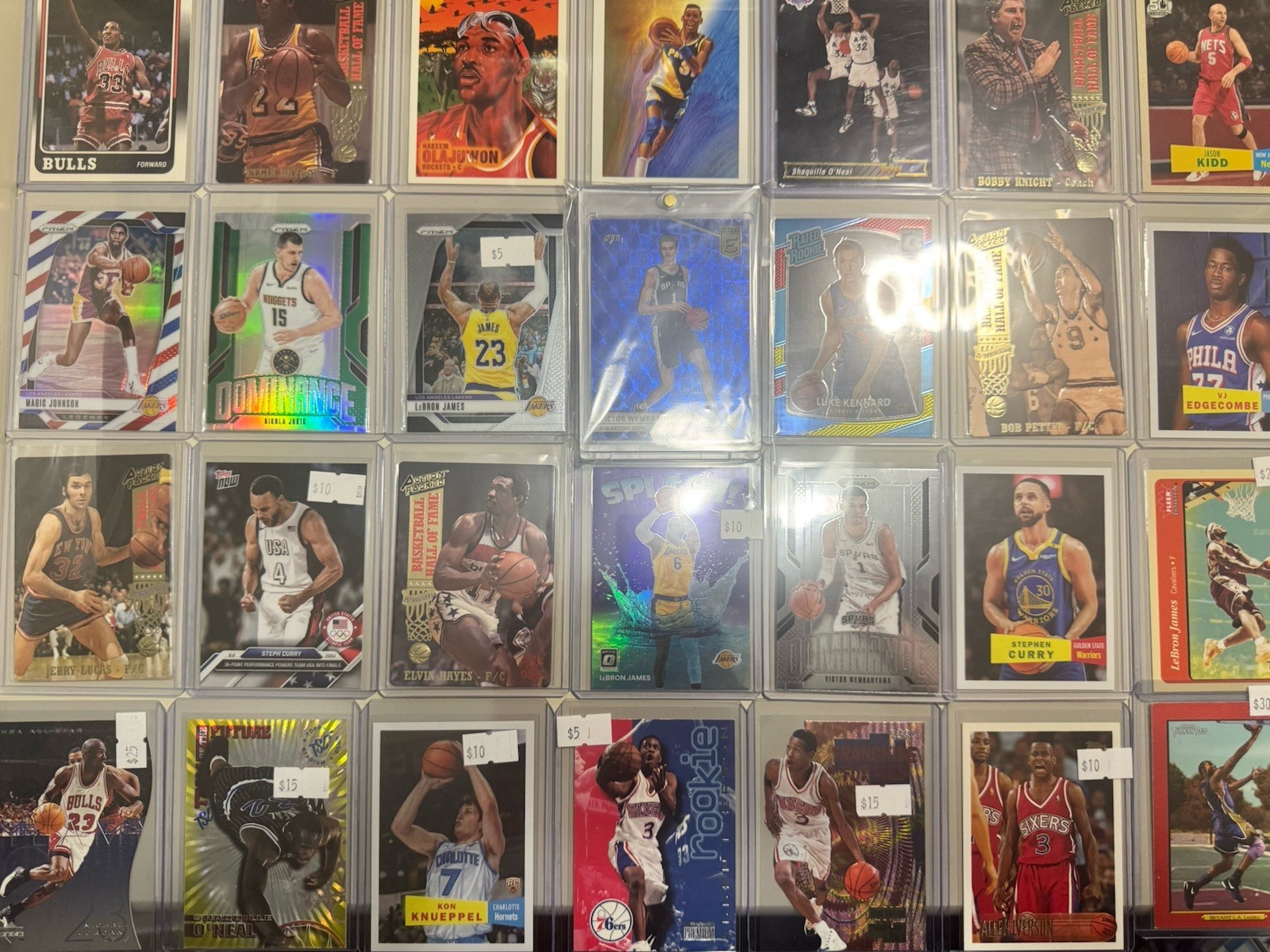
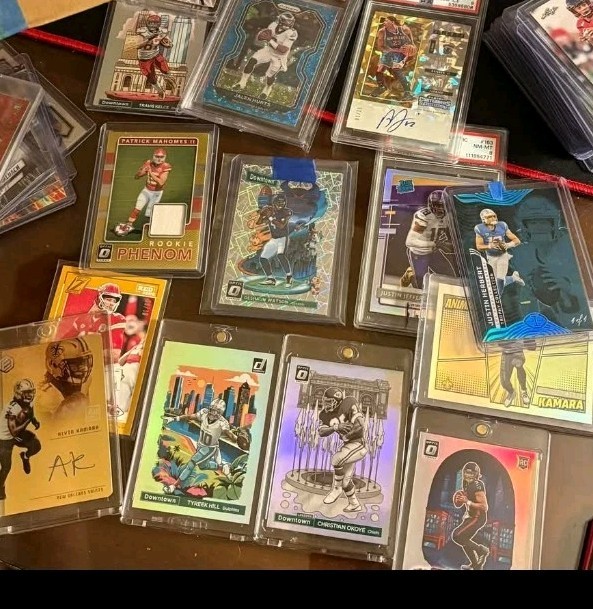


eBay links are affiliate links: JunkPal may earn a commission at no cost to you.
Resale values related to numbered card
Shop numbered card on eBay ↗



JunkPal may earn a commission when you buy through eBay links, at no extra cost to you.
What’s worth the most
Ranked on medians of real closed eBay sales, not asking prices.