What does “non-foil design” mean?
What it means
Non-foil design refers to trading cards printed without any holographic, metallic, or reflective coating applied to the artwork, borders, or card surface. This is the standard, base print version of a card. The mainstream equivalent is simply "standard print." In the collecting niche, the distinction is critical because manufacturers often release cards in both foil and non-foil variants within the same set. While foil versions are designed to catch light and are often marketed as premium, the non-foil version is the foundational, non-enhanced print.
What it does to price
Generally, non-foil versions sell for less than their foil counterparts. The price difference is highly variable, but for common or mid-tier cards, the non-foil may fetch 30% to 60% less than the foil version. If a card is extremely rare or part of a set where the non-foil is the only print run, the price gap narrows significantly or disappears. For a common card, the difference might be $0.50 to $2.00. For a highly sought-after chase card, the non-foil might be 50% lower than the foil, meaning a foil version selling for $50 could see the non-foil listed around $25-$30.
How to spot it
The definitive way to spot a non-foil card is to examine the surface under direct, bright light. A foil card will exhibit a distinct, shifting reflection or shimmer across the image or border. A non-foil card will appear uniformly matte or semi-gloss, without any metallic sheen. Look for specific print markers or set codes; sometimes, the manufacturer will denote the print type on the card back or in the set list, though this is not always reliable. A common mistake is mistaking a highly glossy, but non-holographic, finish for a foil treatment.
Buying smart
Paying a premium for a non-foil card is only justified under two conditions: first, the card is exceptionally rare and the foil version is known to be extremely scarce or damaged; or second, the card is part of a specific, non-foil-exclusive chase subset. If the foil version is readily available and priced reasonably, the non-foil offers less value. A fair deal for a non-foil card should reflect its status as the base version, usually sitting at least 30% below the comparable foil version unless market data proves otherwise.
Selling smart
Listing the card as "Non-Foil" or "Standard Print" prevents misrepresentation and sets accurate buyer expectations. If the card is listed as "Foil" when it is not, the listing will fail or result in negative feedback. The single most effective action to earn the expected premium (or avoid a discount) is including a high-resolution photo taken in strong, direct light that clearly shows the lack of reflection. A simple, clear description stating "Standard Print, No Holographic Coating" solidifies the listing's accuracy.
On eBay right now
Current asking prices from live listings — not sold-comp medians.

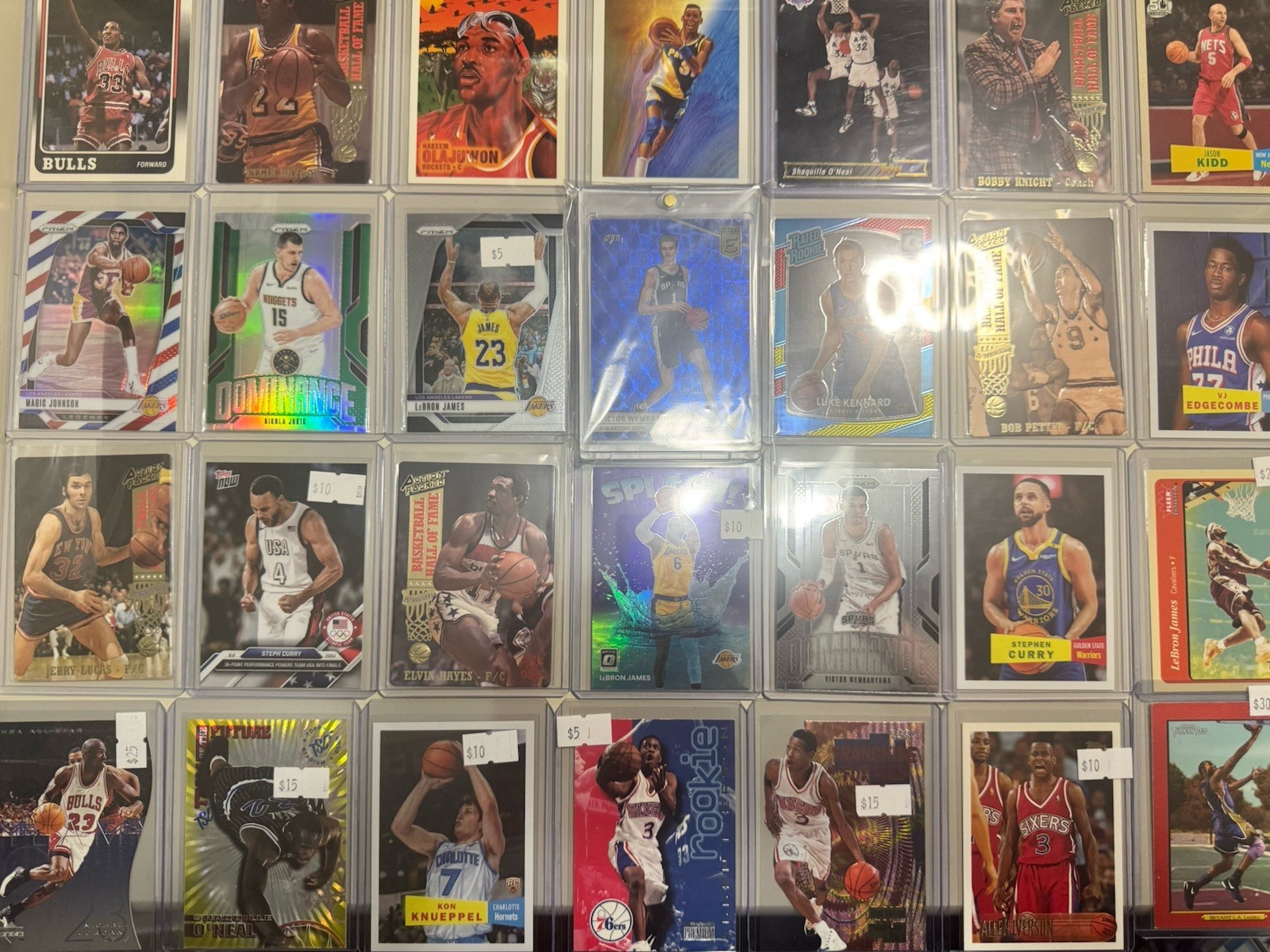
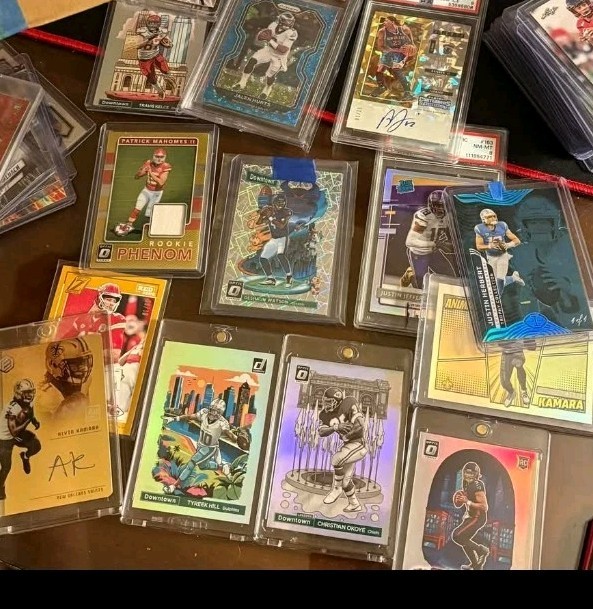


eBay links are affiliate links: JunkPal may earn a commission at no cost to you.
Resale values related to non-foil design
Shop non-foil design on eBay ↗


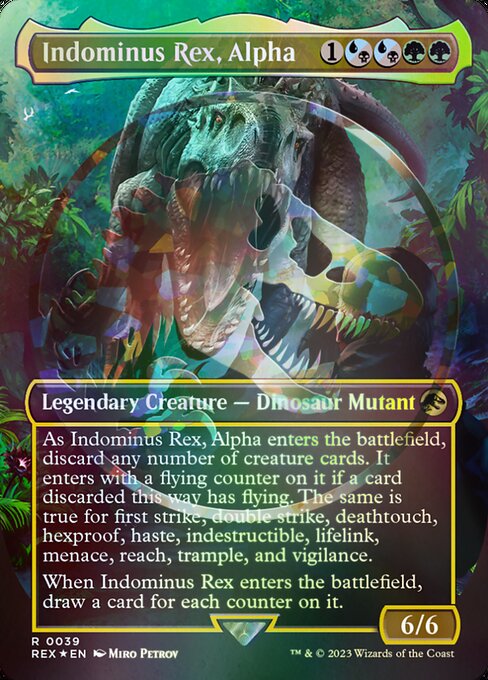


![Scyther [Tekno] #123](/api/images/junkpal-products/cards/scyther-tekno-123-pokemon-2000-topps-chrome-card/img0/thumb.webp)
JunkPal may earn a commission when you buy through eBay links, at no extra cost to you.
What’s worth the most
Ranked on medians of real closed eBay sales, not asking prices.