What does “non-foil” mean?
What it means
"Non-foil" designates a standard, non-reflective printing of a trading card. The mainstream equivalent is the base version. These cards lack any holographic, metallic, or prismatic coating applied during production. The term distinguishes them from "foil" versions, which possess these premium finishes. The designation does not inherently define the card's value; rather, it defines its physical characteristics. A non-foil card is simply the standard print run iteration of a specific card art and text.
What it does to price
The presence or absence of foil creates a distinct pricing tier. Generally, a foil version of a card will command a premium ranging from 1.5x to 5x the price of its non-foil counterpart, depending on the card's rarity within the set. For common, mass-produced cards, the difference might be negligible, perhaps only $1-$3 difference between a mint non-foil and a mint foil. For highly sought-after chase cards, the multiplier is significantly higher. A pristine, graded non-foil copy of a rare card might sell for $150, whereas the foil version could easily exceed $750. Condition is the primary driver for both versions.
How to spot it
The tell is the absence of the reflective coating. Examine the card under direct, bright light. If the image remains flat and matte, it is non-foil. If there is any iridescent sheen, prismatic effect, or metallic glimmer, it is foil. Some sets use specific print identifiers or rarity symbols that apply equally to both versions, so these markers do not confirm the finish. A common honest mistake is misidentifying a very subtle, low-level texture print as a full foil effect. Fakes are rare in this distinction, as the difference is a production feature, not a print alteration.
Buying smart
Paying a premium for a non-foil card is justified when the card is essential for set completion, especially for high-volume, low-value cards where the foil version is significantly more expensive. It is not worth paying a premium when the card is a low-tier chase card; in those cases, the foil version is usually the only one worth acquiring. A fair deal involves a price that reflects the card's scarcity and condition, with the non-foil price being significantly lower than the foil price, but not so low that it suggests damage.
Selling smart
Listing a non-foil card without specifying the finish invites confusion and undervaluation. The word "Non-Foil" or "Base" must be explicit in the title and description. Providing a clear, high-resolution photograph showing the card under bright, direct light is the most effective proof. This photo immediately validates the condition and finish to the buyer, preventing disputes and establishing the correct price point. This single piece of evidence earns the buyer's trust, leading to faster sales at the correct market value.
On eBay right now
Current asking prices from live listings — not sold-comp medians.

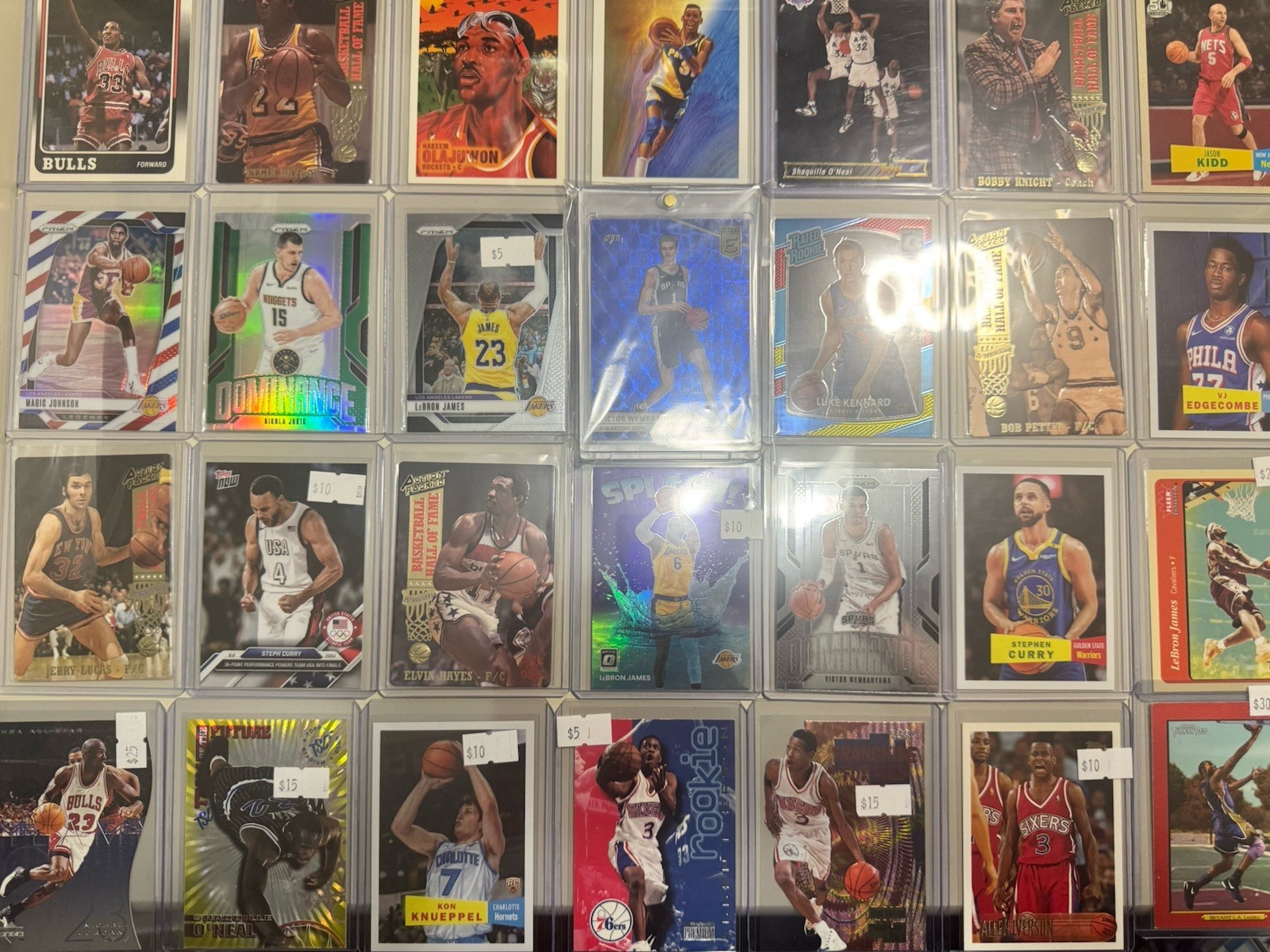
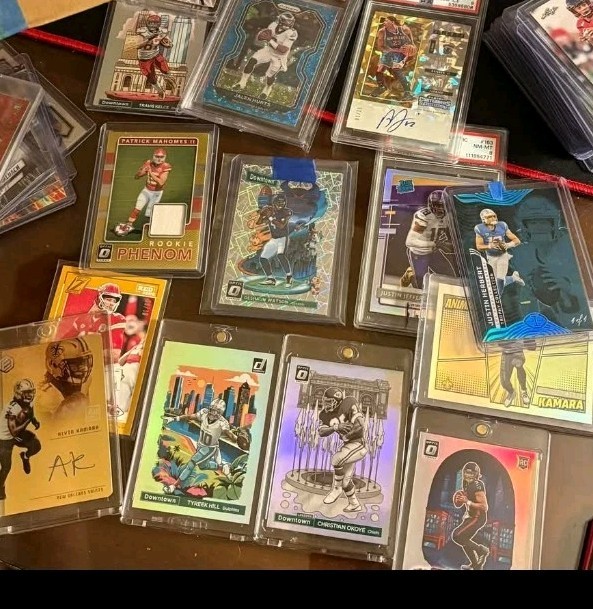

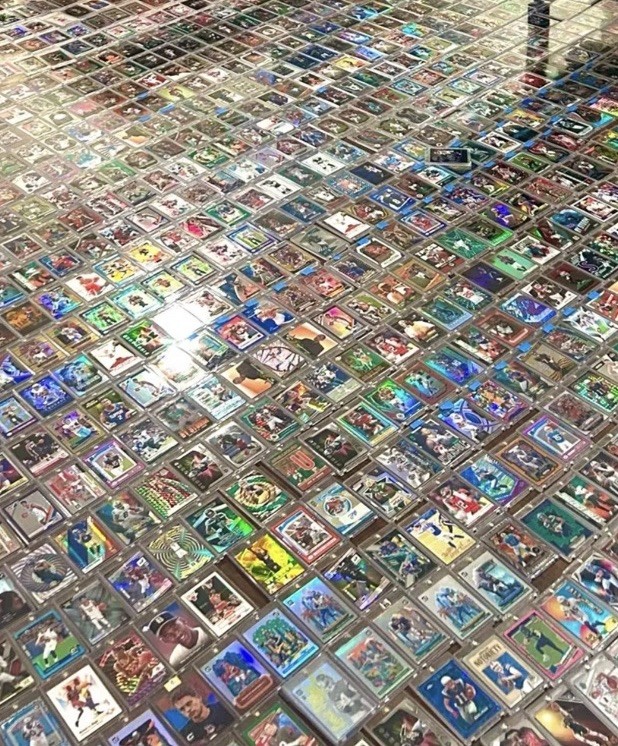

eBay links are affiliate links: JunkPal may earn a commission at no cost to you.
Resale values related to non-foil
Shop non-foil on eBay ↗



JunkPal may earn a commission when you buy through eBay links, at no extra cost to you.
What’s worth the most
Ranked on medians of real closed eBay sales, not asking prices.