What does “near perfect” mean?
What it means
"Near Perfect" in trading card grading denotes a card exhibiting exceptional condition, falling just shy of a true "Mint" grade. This means the card has minimal to no discernible flaws. Unlike "Mint," which implies a card straight from the pack with zero visible wear, "Near Perfect" allows for extremely minor imperfections—perhaps a microscopic print variation, a negligible edge whitening spot, or a faint surface scuff invisible under casual viewing. The mainstream equivalent is often described as Near Mint (NM) or a high-grade 9/10, depending on the grading service used. The card retains virtually all its original visual integrity.
What it does to price
The jump from "Near Perfect" to "Mint" can result in price escalations ranging from 20% to over 100% for high-value cards. For common, low-demand cards, the difference might be negligible ($1-$3). However, for sought-after chase cards or high-grade rookies, a "Near Perfect" copy can fetch 1.5x to 3x the price of a comparable "Mint" copy, depending on the market saturation and card rarity. Factors pushing the price up include perfect centering and flawless surface presentation. Downward pressure comes from any noticeable, even minor, print defects or corner nicks that push it toward a lower grade.
How to spot it
Inspection requires magnification. Look for edge wear—any rounding or chipping beyond the natural sharpness of the card stock is a flaw. Check the surface under bright light for scratches, print lines, or print registration issues. Centering is critical; a slight off-center print is often acceptable in "Near Perfect" but can be a disqualifier for top-tier investment pieces. Sellers must provide high-resolution, high-magnification photos of all four corners and the card surface. Watch out for "print artifacts" that are actually manufacturing flaws, which are honest mistakes, versus genuine wear patterns.
Buying smart
Paying a premium for "Near Perfect" is justified when the card is a blue-chip investment piece—a highly sought-after rookie or a card with proven long-term scarcity. If the card is mid-tier or has low market demand, the price premium over a slightly lower grade (e.g., Excellent) is rarely worth the marginal improvement. A fair deal involves a price that reflects the documented rarity of the card *and* the verifiable quality of the "Near Perfect" state. If the asking price is significantly higher than established sales data for comparable grades, the deal is likely inflated.
Selling smart
To command the premium associated with "Near Perfect," the listing must be irrefutable. Generic photos are insufficient. The single most effective element is a close-up, high-definition photograph focusing specifically on the card's edges and corners, clearly demonstrating the lack of chipping or whitening. A precise, unambiguous description—stating "Near Perfect: Minimal edge wear, perfect centering"—backed by photographic evidence, validates the premium. This substantiation converts a subjective claim into a measurable selling point.
On eBay right now
Current asking prices from live listings — not sold-comp medians.

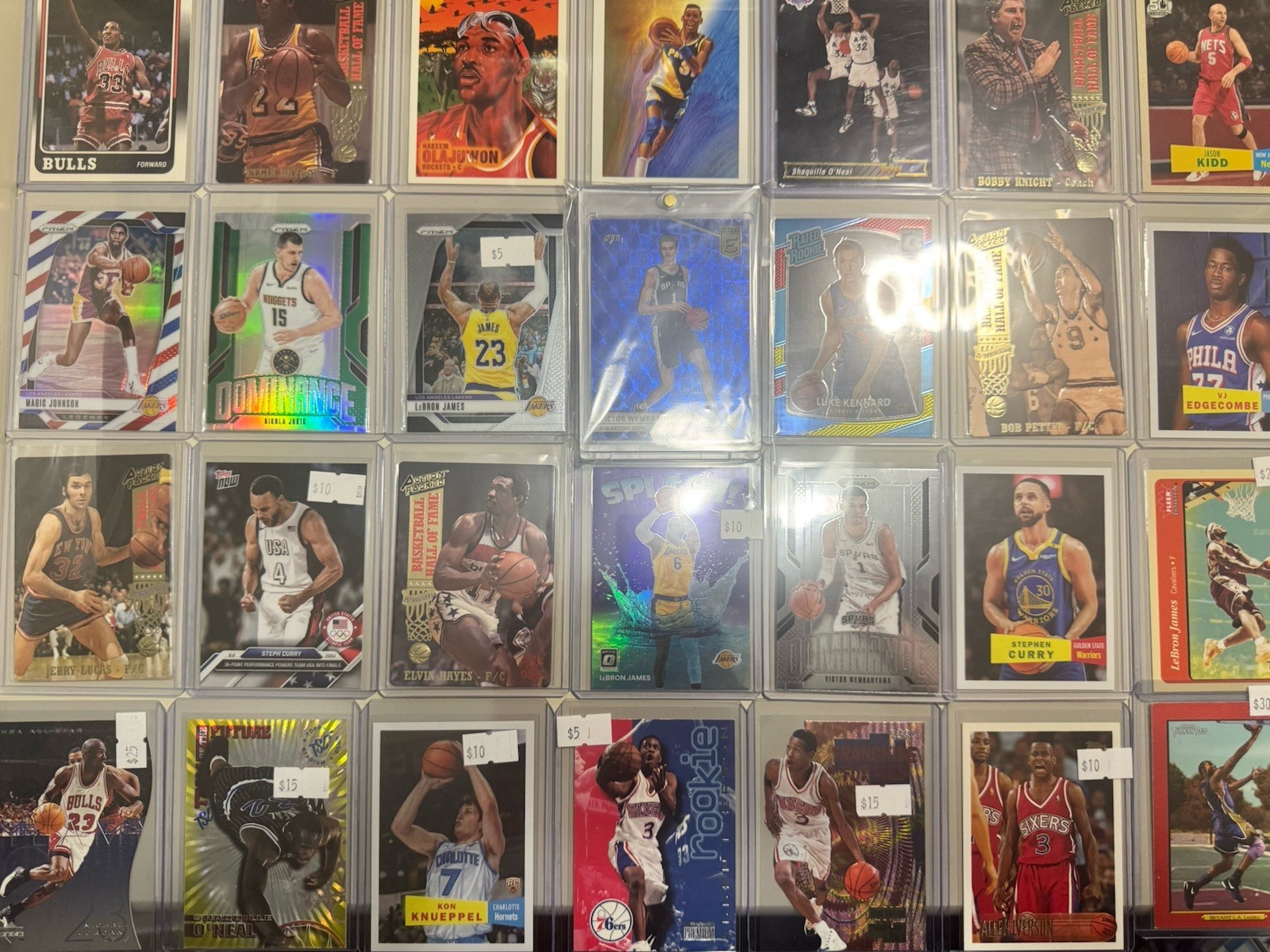
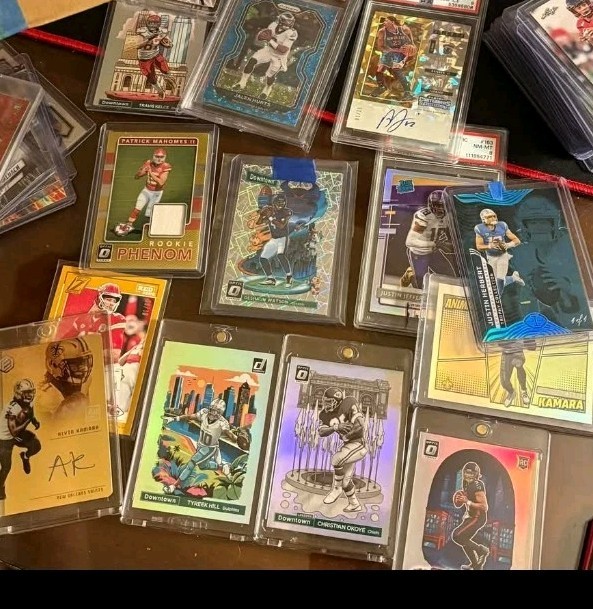

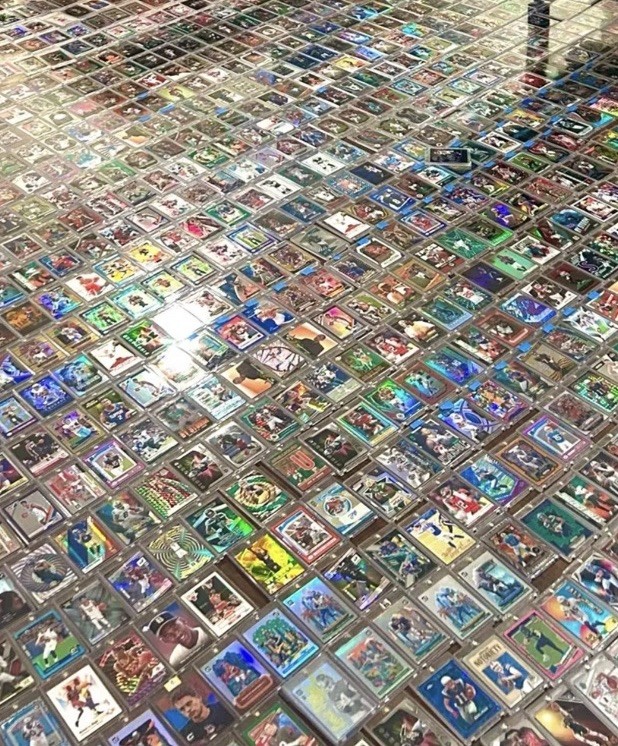

eBay links are affiliate links: JunkPal may earn a commission at no cost to you.
Resale values related to near perfect
Shop near perfect on eBay ↗
![Scyther [Sparkle] #123](/api/images/junkpal-products/cards/scyther-sparkle-123-pokemon-2000-topps-chrome-card/img0/thumb.webp)
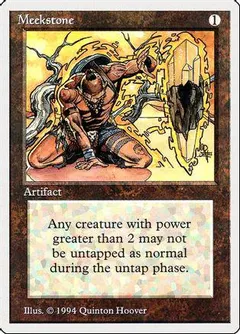


![Charizard [Box Topper] #S1](/api/images/junkpal-products/cards/charizard-box-topper-s1-pokemon-legendary-collection-card/img0/thumb.webp)

JunkPal may earn a commission when you buy through eBay links, at no extra cost to you.
What’s worth the most
Ranked on medians of real closed eBay sales, not asking prices.