What does “near mint condition card” mean?
What it means
Near Mint condition card describes a card that exhibits minimal wear, consistent with careful play or storage. It is superior to Lightly Played but falls short of a professionally graded Mint (PSA 10, BGS 9.5/10). The card shows no significant edge wear, creasing, whitening on the edges, or major surface scratches. Minor imperfections, such as a microscopic print imperfection or a slight, unnoticeable corner rounding, are acceptable. This is the highest tier of ungraded condition. The mainstream equivalent is "Excellent" or "Near Perfect," but in the card market, Near Mint is the established benchmark for high-grade, non-graded inventory.
What it does to price
The jump from Lightly Played to Near Mint can yield a 50% to 150% price increase, depending on the card's rarity. For common chase cards, this difference might translate to a $10 to $30 premium. For high-value, low-population cards, the premium can be substantial, sometimes doubling the price compared to a Lightly Played copy. Factors pushing the price up include perfect centering and sharp corners. Factors pulling it down include any visible print lines, even faint ones, or any minor edge chipping.
How to spot it
Inspection requires magnification. Look closely at the four corners; they must be sharp, not rounded. Examine the edges under bright light for any whitening or fraying. The surface must be flat, with no bubbles or print lines visible when held against a white background. Sellers must provide high-resolution photos showing the card from all four corners and the front/back surfaces. A common mistake is confusing Near Mint with "Excellent," where minor, noticeable edge wear is present. Fakes are rare in this condition but often involve poor print registration, which is visible under magnification.
Buying smart
Paying the Near Mint premium is justified when the card is a key centerpiece for a collection or has proven investment potential. If the card is a common variant or a low-value pull, the premium over a Lightly Played copy is rarely worth the extra cost. A fair deal involves the asking price being within 10-20% of comparable, documented sales of similar cards in confirmed Near Mint condition. If the seller cannot provide clear, high-resolution photos confirming the lack of flaws, the premium is unwarranted.
Selling smart
Listing a card as Near Mint requires absolute accuracy. Misrepresenting the condition to achieve a higher sale price leads to returns and negative feedback. The single most effective element in a listing is a close-up macro photo focusing on one of the corners or an edge, clearly demonstrating the sharpness and lack of whitening. Using the specific term "Near Mint" rather than vague descriptors like "Great Shape" immediately signals the quality level to knowledgeable buyers, allowing the price to reflect the true preservation level.
On eBay right now
Current asking prices from live listings — not sold-comp medians.
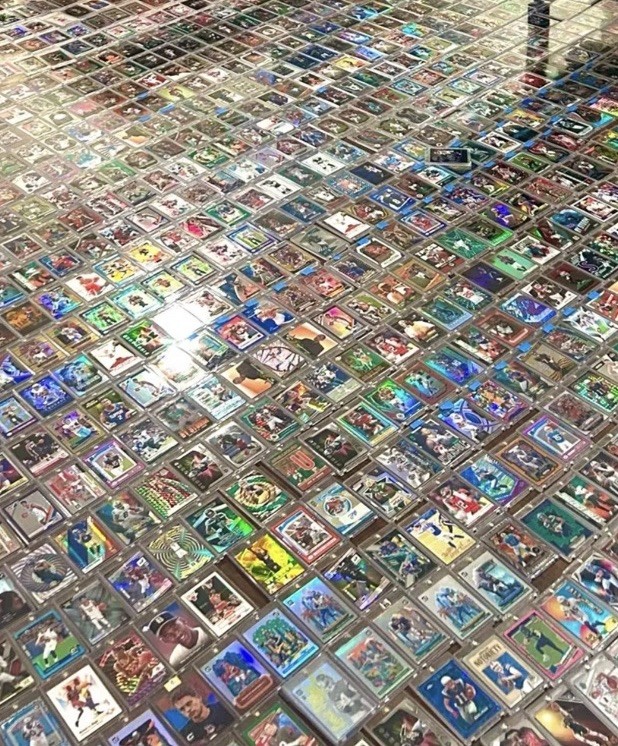
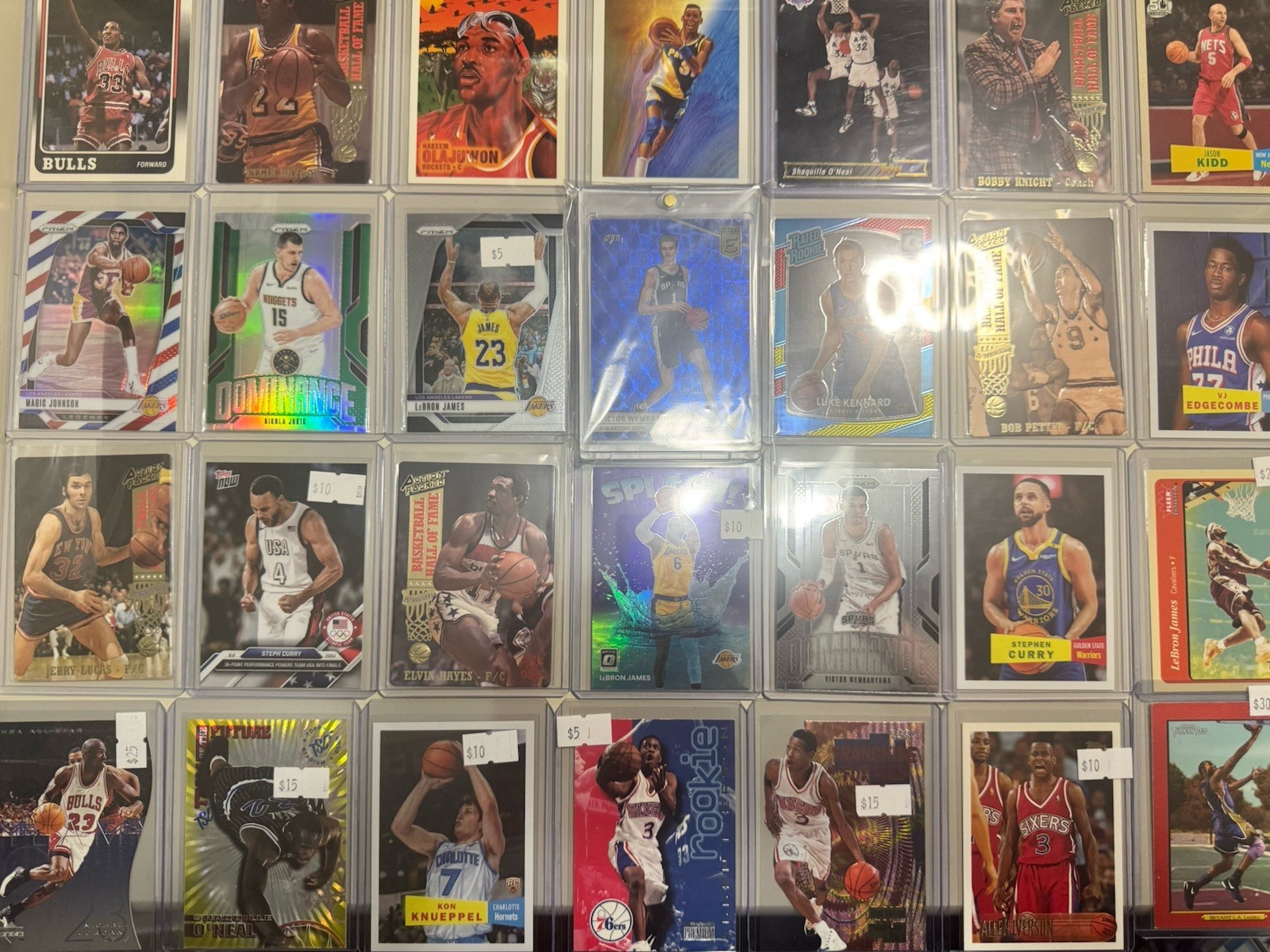

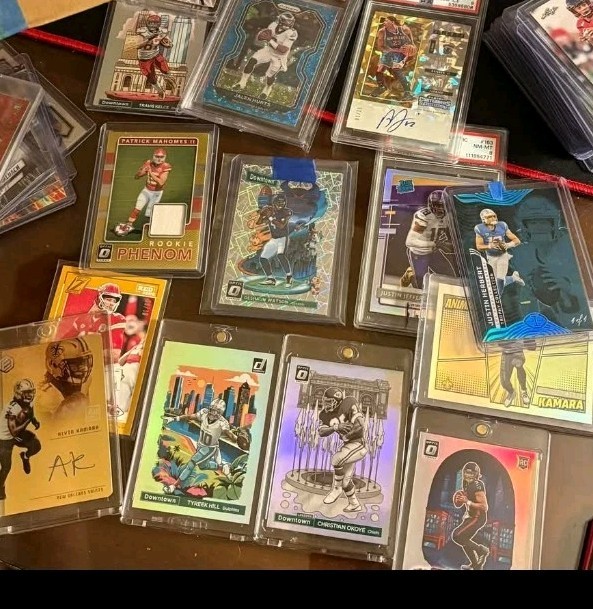


eBay links are affiliate links: JunkPal may earn a commission at no cost to you.
Resale values related to near mint condition card
Shop near mint condition card on eBay ↗![Scyther [Sparkle] #123](/api/images/junkpal-products/cards/scyther-sparkle-123-pokemon-2000-topps-chrome-card/img0/thumb.webp)
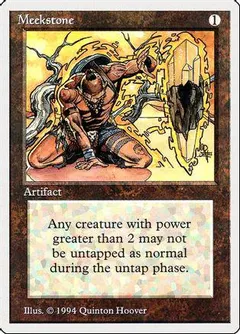


![Charizard [Box Topper] #S1](/api/images/junkpal-products/cards/charizard-box-topper-s1-pokemon-legendary-collection-card/img0/thumb.webp)

JunkPal may earn a commission when you buy through eBay links, at no extra cost to you.
What’s worth the most
Ranked on medians of real closed eBay sales, not asking prices.