What does “near mint condition” mean?
What it means
Near mint condition is a high-tier grading standard for trading cards, indicating the card is exceptionally well-preserved with minimal cosmetic flaws. This is superior to "excellent" or "lightly played." The card should have sharp corners, clean edges, and a vibrant surface free from major scratches, creases, or print errors. Minor imperfections are acceptable, such as extremely faint edge whitening or a single, almost invisible surface scuff. These flaws must not compromise the card's overall aesthetic appeal. In mainstream terms, this aligns closely with a Near Mint (NM) or Mint (M) grade, depending on the specific grading company’s scale.
What it does to price
Condition is a primary value determinant. A near mint card commands a significant premium over a lightly played or heavily worn copy of the same card. For common or mid-tier cards, the difference can be a 2x to 5x multiplier compared to a heavily played version. For high-demand, rare cards, the premium is exponential. For example, a common holographic card in near mint might sell for $5, while the same card in played condition might sell for $1. This difference of $4 represents the value added by superior preservation. Flaws like noticeable corner dings or significant surface wear immediately drop the card into a lower tier, negating the near mint premium.
How to spot it
Inspection requires magnification and bright, direct light. Look for sharp corners; any rounding or chipping is a deduction. Examine the surface for print registration issues, smudges, or surface abrasions that catch the light. Edge wear is often visible as subtle discoloration or whitening along the perimeter. Sellers should provide high-resolution photos showing the card from all four corners and the front/back surface under intense light. A common mistake is mislabeling a "Very Good" card as "Near Mint." Fakes are rare in this category unless the card is heavily altered, but buyers must verify the print quality matches known production samples.
Buying smart
Paying a premium for near mint is justified when the card is a high-value chase card—a rookie autograph, a rare parallel, or a key piece of a set. If the card is a common, low-value staple, the premium may not justify the purchase; a slightly played copy might offer better value retention. A fair deal involves the asking price being within 15-25% of comparable graded sales data for that card. If the seller claims near mint but the photos show visible edge wear, the price is inflated and the deal is poor.
Selling smart
Proving the near mint status in the listing is non-negotiable for maximizing profit. Generic photos are insufficient. The listing must include at least one close-up photograph specifically highlighting the corners and edges, taken in bright, direct light. A simple declaration like "Pristine condition, NM grade" is weak; photographic evidence is the currency. This documentation allows the seller to command the top end of the market price, as buyers trust the visual proof over subjective description.
On eBay right now
Current asking prices from live listings — not sold-comp medians.

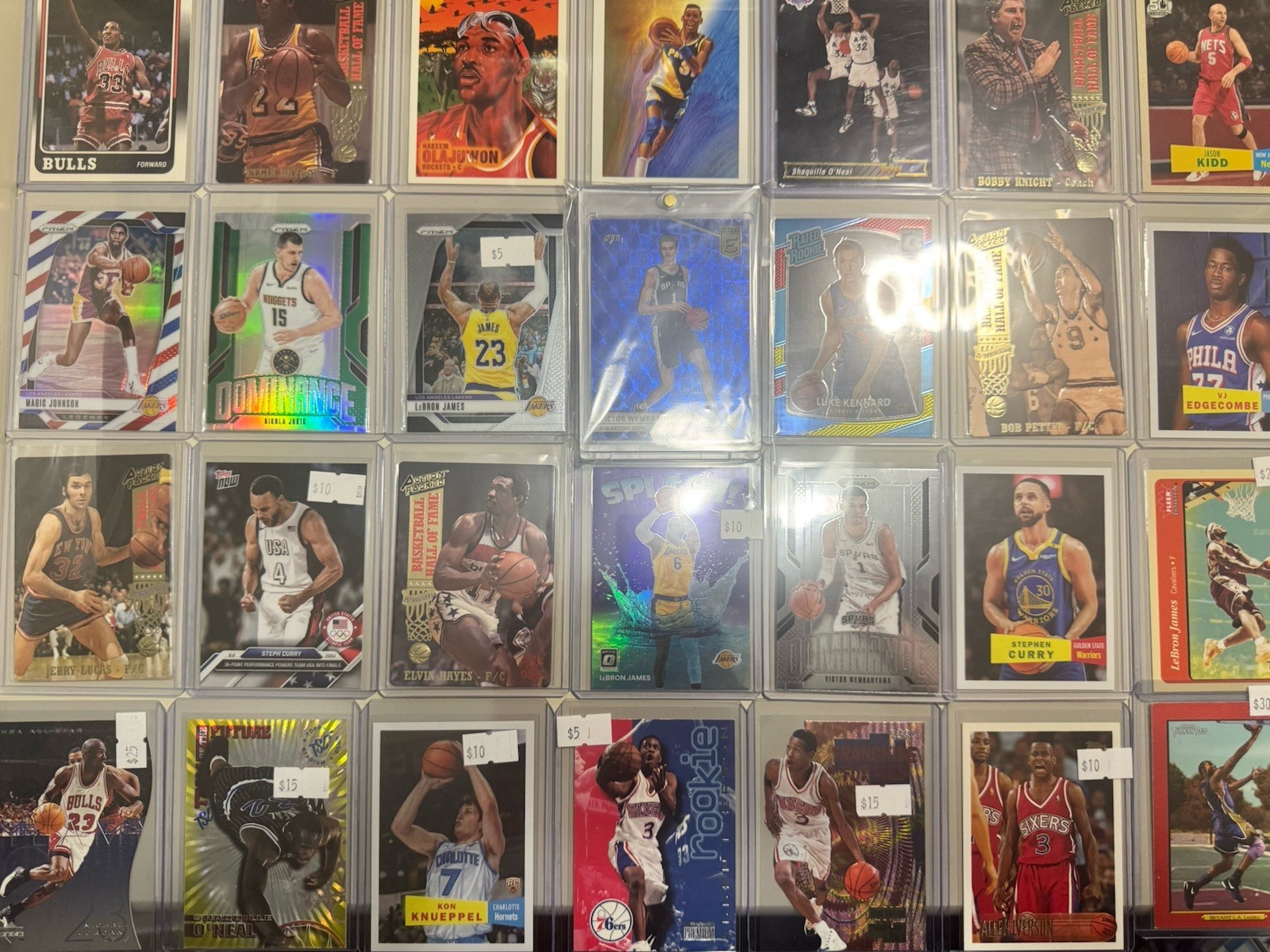
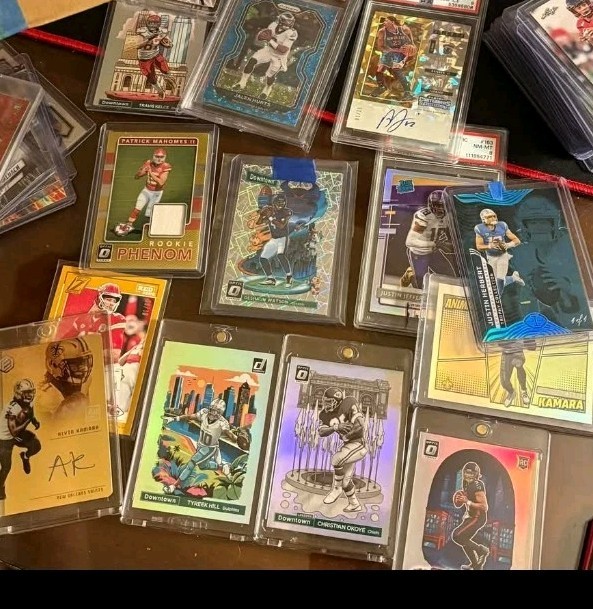


eBay links are affiliate links: JunkPal may earn a commission at no cost to you.
Resale values related to near mint condition
Shop near mint condition on eBay ↗![Kabutops [Tekno] #141](/api/images/junkpal-products/cards/kabutops-tekno-141-pokemon-2000-topps-chrome-card/img0/thumb.webp)
![Zapdos [Sparkle] #145](/api/images/junkpal-products/cards/zapdos-sparkle-145-pokemon-2000-topps-chrome-card/img0/thumb.webp)
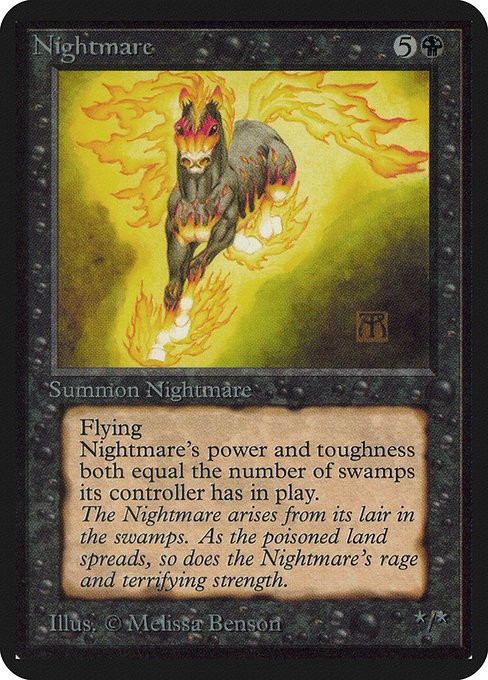



JunkPal may earn a commission when you buy through eBay links, at no extra cost to you.
What’s worth the most
Ranked on medians of real closed eBay sales, not asking prices.