What does “near mint card price” mean?
What it means
Near mint card price refers to the estimated market value for a trading card graded or assessed as Near Mint (NM). This condition standard signifies a card that is exceptionally well-preserved, showing minimal signs of wear consistent with careful handling. It is a step below Gem Mint (or PSA 10 equivalent), meaning the card is nearly flawless but may possess a very minor, subtle imperfection—such as a slight edge ding, a minuscule print variation, or a barely perceptible surface scuff—that a professional grading service would flag. For resellers and collectors, this price reflects a card that is visually pristine but not perfect.
What it does to price
Condition is the primary determinant of value in trading cards. A Near Mint card typically commands a significant premium over a Lightly Played (LP) copy. Generally, an NM card will fetch 1.8x to 3x the price of a comparable LP copy, depending on the card's rarity and demand. Factors pushing the price up include crisp corners, sharp centering (centering is often scrutinized even at NM), and perfect surface integrity. Factors pulling the price down include noticeable whitening on the edges or minor print misalignment. For example, a common rookie card might sell for \$10 loose in LP condition; in NM condition, it could easily push into the \$25 to \$35 range.
How to spot it
Identifying NM condition requires close inspection. Examine the four corners under magnification for any rounding or chipping. Check the edges for any whitening or fraying. The surface must be free of scratches, print lines, or discoloration. Sellers must provide high-resolution images showing the card under direct, even lighting. A common mistake is mistaking "Excellent" condition for NM; Excellent often implies more noticeable wear than NM. Fakes or misrepresentations often involve exaggerating the card's centering or hiding edge damage in poor photography.
Buying smart
Paying a premium for NM condition is justified when the card is a high-demand chase card or a key piece in a set that is highly sought after by serious collectors. If the card is a low-value, common pull, the premium over LP condition may not yield a profitable return on investment. A fair deal for an NM card means the asking price aligns closely with recent sales data for cards graded in the NM range by major third-party graders. If the seller claims NM but the photos show obvious edge wear, the price is inflated.
Selling smart
To maximize the return, the listing must unequivocally prove the card's condition. Simply stating "NM" is insufficient; the listing must include multiple, high-resolution photos focusing specifically on the corners, edges, and surface area. The single most effective element is a close-up photo of the card's edges, demonstrating the crispness of the corners. Using the specific term "Near Mint" in the title, backed by photographic evidence of its near-perfect state, directly validates the premium price point buyers are willing to pay.
On eBay right now
Current asking prices from live listings — not sold-comp medians.
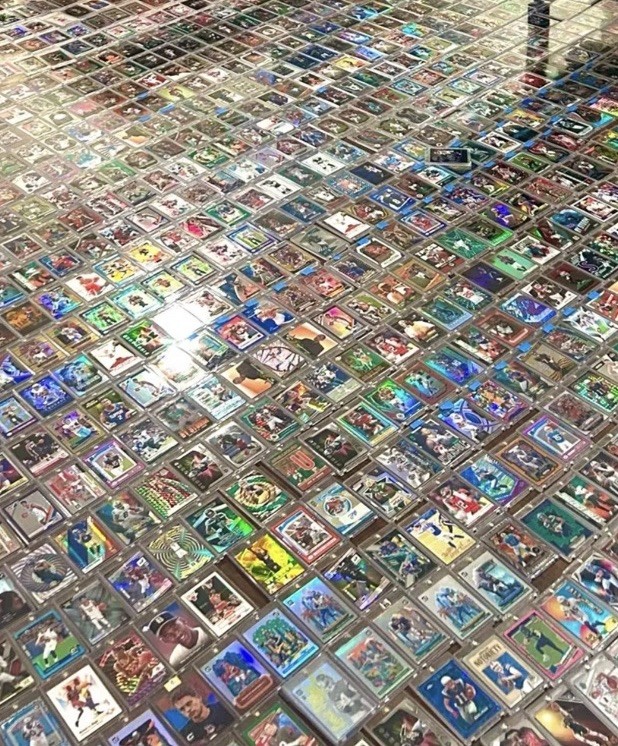
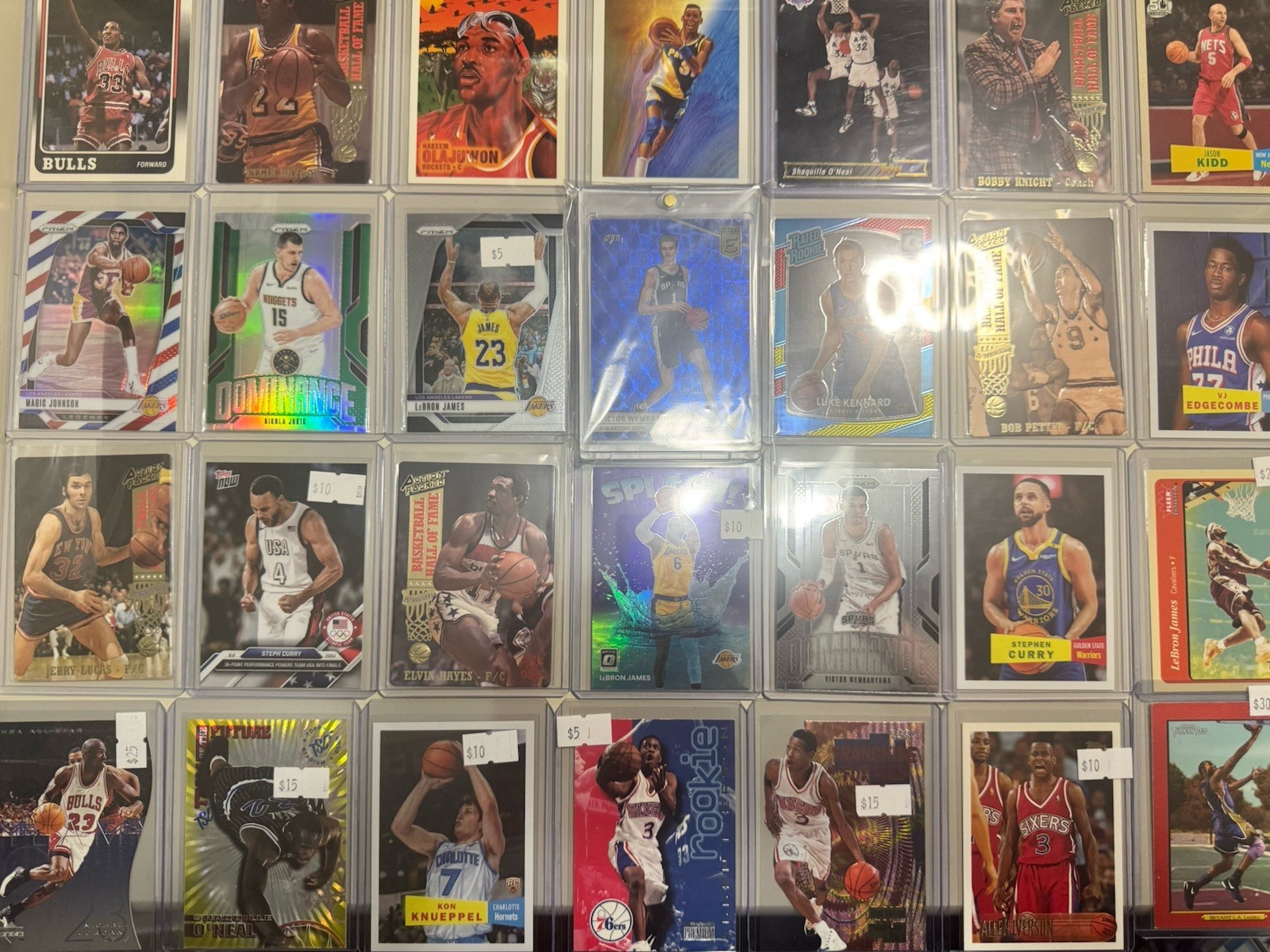

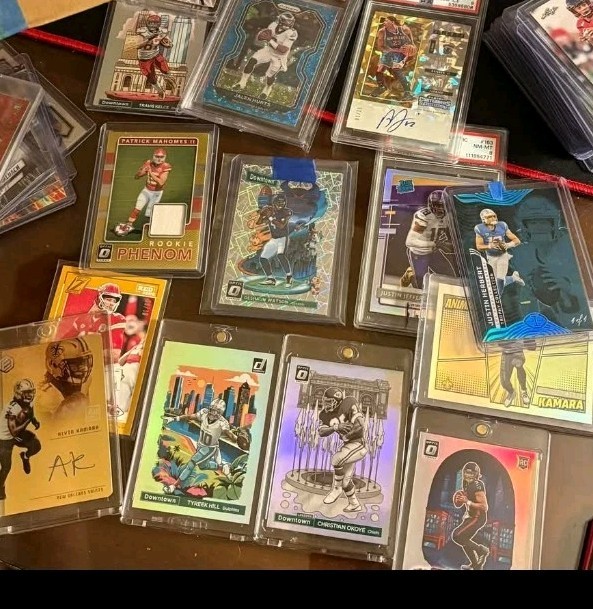


eBay links are affiliate links: JunkPal may earn a commission at no cost to you.
Resale values related to near mint card price
Shop near mint card price on eBay ↗![Chansey [Sparkle] #113](/api/images/junkpal-products/cards/chansey-sparkle-113-pokemon-2000-topps-chrome-card/img0/thumb.webp)
![Mewtwo [Sparkle] #150](/api/images/junkpal-products/cards/mewtwo-sparkle-150-pokemon-2000-topps-chrome-card/img0/thumb.webp)


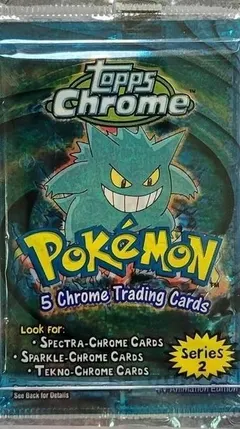


JunkPal may earn a commission when you buy through eBay links, at no extra cost to you.
What’s worth the most
Ranked on medians of real closed eBay sales, not asking prices.