What does “near mint card” mean?
What it means
Near Mint (NM) is a specific condition grade for trading cards, signifying a card that is exceptionally well-preserved. It is the step below Mint (M) or Gem Mint (GM). The card appears virtually flawless to the casual eye. The defining characteristic of NM is the presence of extremely minor, non-structural flaws. These flaws are typically restricted to microscopic surface imperfections, such as a faint print line, a barely perceptible edge ding, or the slightest softening of a corner that does not compromise the card's structural integrity or visual appeal. Unlike a Mint card, which is expected to be factory-perfect, an NM card acknowledges the minor wear inherent in handling or manufacturing, but keeps it negligible.
What it does to price
Condition is a primary value driver. The jump from Near Mint to Mint can result in a significant price increase, often ranging from 1.5x to 3x the price of a comparable lower-graded card, depending on the card's rarity and market demand. For a popular chase card, the difference between an NM and a lower grade (like Excellent) can easily translate to several hundred dollars in market value. Factors that push NM higher include crisp centering and perfect surface finish. Factors that pull it down include noticeable print lines or minor edge whitening. For instance, a common holographic card might sell for $50 loose in NM, but if it has a clear, visible surface scratch, it might drop to $35.
How to spot it
Inspection requires magnification. Look for edge wear first; NM cards should have sharp corners with no noticeable rounding. Next, examine the surface under bright, angled light for print defects, scratches, or discoloration. Centering is crucial; while not strictly a "wear" issue, poor centering often prevents a card from achieving NM status even if the surface is clean. Sellers should provide high-resolution, straight-on photos of the front and back. A common mistake is confusing slight handling marks with actual damage; NM tolerates minor handling marks, but major creases or bends disqualify it.
Buying smart
Paying a premium for NM is justified when the card is a high-demand, low-supply chase card where condition directly impacts investment potential. If the card is common or has low market velocity, the premium over a lower grade may not be worth the extra cost. A fair deal for an NM card means the asking price reflects the established market premium for that specific grade, usually within 10-15% of the established market average for that grade. If the seller claims NM but the card shows clear corner dings, the price is inflated.
Selling smart
Presenting the card as Near Mint requires photographic proof. The listing must include clear, well-lit photos showing the card from multiple angles, especially close-ups of the edges and surface. The description must accurately reflect the grade, using precise language. If the card is truly NM, stating this confidently, supported by photos, allows the seller to command the higher tier of pricing. The one element that earns the premium is the photographic evidence that validates the "near" aspect—showing the card is pristine *except* for the minuscule flaw that keeps it from being perfect.
On eBay right now
Current asking prices from live listings — not sold-comp medians.

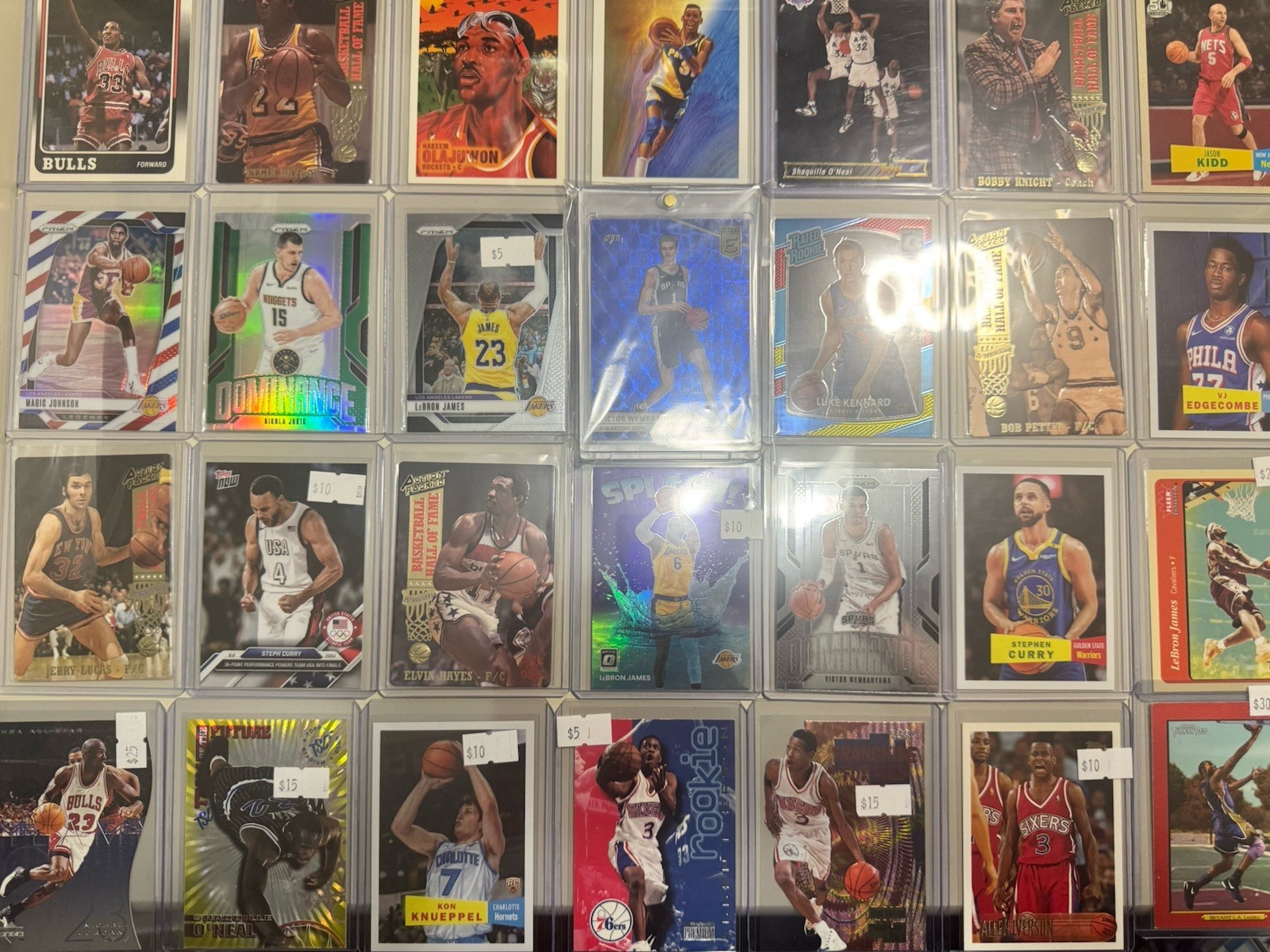
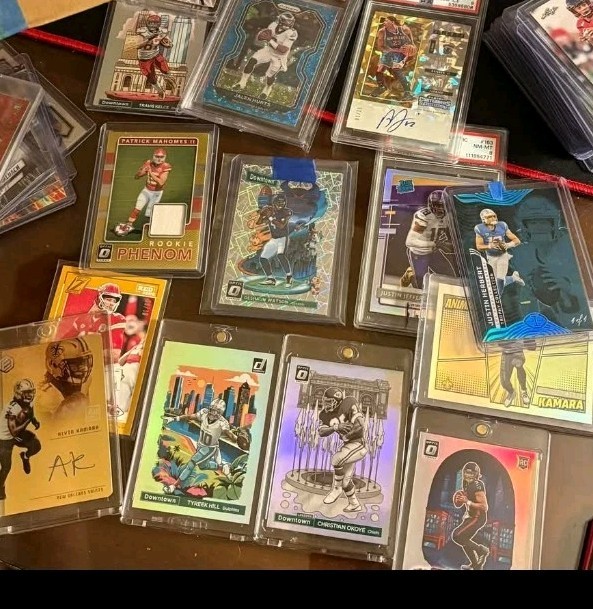


eBay links are affiliate links: JunkPal may earn a commission at no cost to you.
Resale values related to near mint card
Shop near mint card on eBay ↗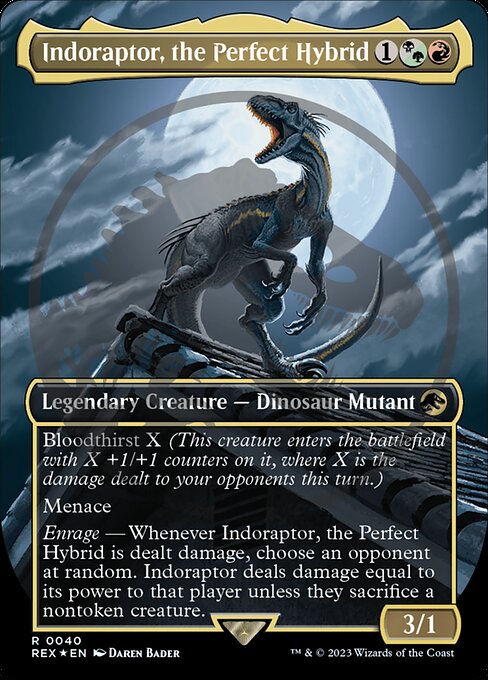
![Eevee [Sparkle] #133](/api/images/junkpal-products/cards/eevee-sparkle-133-pokemon-2000-topps-chrome-card/img0/thumb.webp)


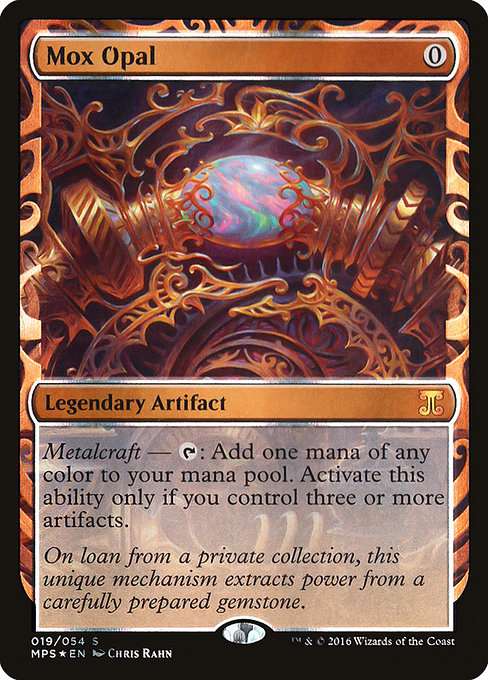
JunkPal may earn a commission when you buy through eBay links, at no extra cost to you.
What’s worth the most
Ranked on medians of real closed eBay sales, not asking prices.