What does “near mint” mean?
What it means
Near mint (NM) is a grading standard indicating a card is in near-perfect condition. It is the step just below "mint" (M). A true NM card exhibits minimal wear consistent with careful handling. This wear is typically restricted to microscopic surface imperfections, such as a faint print artifact, a negligible corner rounding, or an almost invisible edge scuff. It is not pristine; it possesses minor flaws that a certified mint card would lack. In mainstream terms, this is equivalent to "excellent" condition, but within the card collecting niche, NM signifies a high-grade, near-factory-fresh appearance.
What it does to price
The jump from a "good" or "lightly played" condition to Near Mint is significant. A well-preserved NM card typically commands a 2x to 4x premium over a comparable card rated only as "lightly played." The difference between NM and a certified Mint (PSA 10/BGS 9.5) can be substantial, often 50% or more depending on the card's rarity. Factors that push the price up include perfect centering and zero edge whitening. Factors that pull the price down include any visible print lines or slight creasing on the back. For example, a common chase card might sell for \$5 in "lightly played" condition, but an NM copy could easily fetch \$15 to \$20.
How to spot it
Inspection requires magnification. Look for edge wear; NM allows for slight rounding, but not significant chipping. Surface flaws are key: look for pinholes, deep scratches, or print registration errors. Centering is critical; a card with excellent condition but poor centering will be discounted. Sellers must provide high-resolution photos, specifically close-ups of all four corners and the edges. A common mistake is mislabeling a "Very Good" card as NM. Fakes are rare at this level unless the card is heavily altered, but watch for inconsistent print quality that suggests a low-quality reprint being passed off as a high-grade original.
Buying smart
Paying a premium for NM is justified when the card is a high-demand, low-supply chase card (e.g., a rookie autograph). For common or mid-tier cards, the premium often does not outweigh the risk of buying a card that is merely "very good" but being sold as NM. A fair deal for an NM card means the asking price reflects the near-perfect condition relative to the market average for that card's grade. If the seller cannot provide clear, high-resolution photos proving the absence of noticeable flaws, the price should be negotiated downward toward the "lightly played" tier.
Selling smart
To maximize returns, the listing must clearly define the NM standard being used. Do not just state "NM"; provide photographic evidence that supports the claim. The single most valuable piece of evidence is a macro shot of the edges and corners, showing the lack of significant whitening or chipping. Using the term "Near Mint, excellent centering" is more effective than simply "NM." Highlighting that the card has "minimal handling wear" justifies the premium and shifts the buyer's focus from potential minor flaws to overall high quality.
On eBay right now
Current asking prices from live listings — not sold-comp medians.

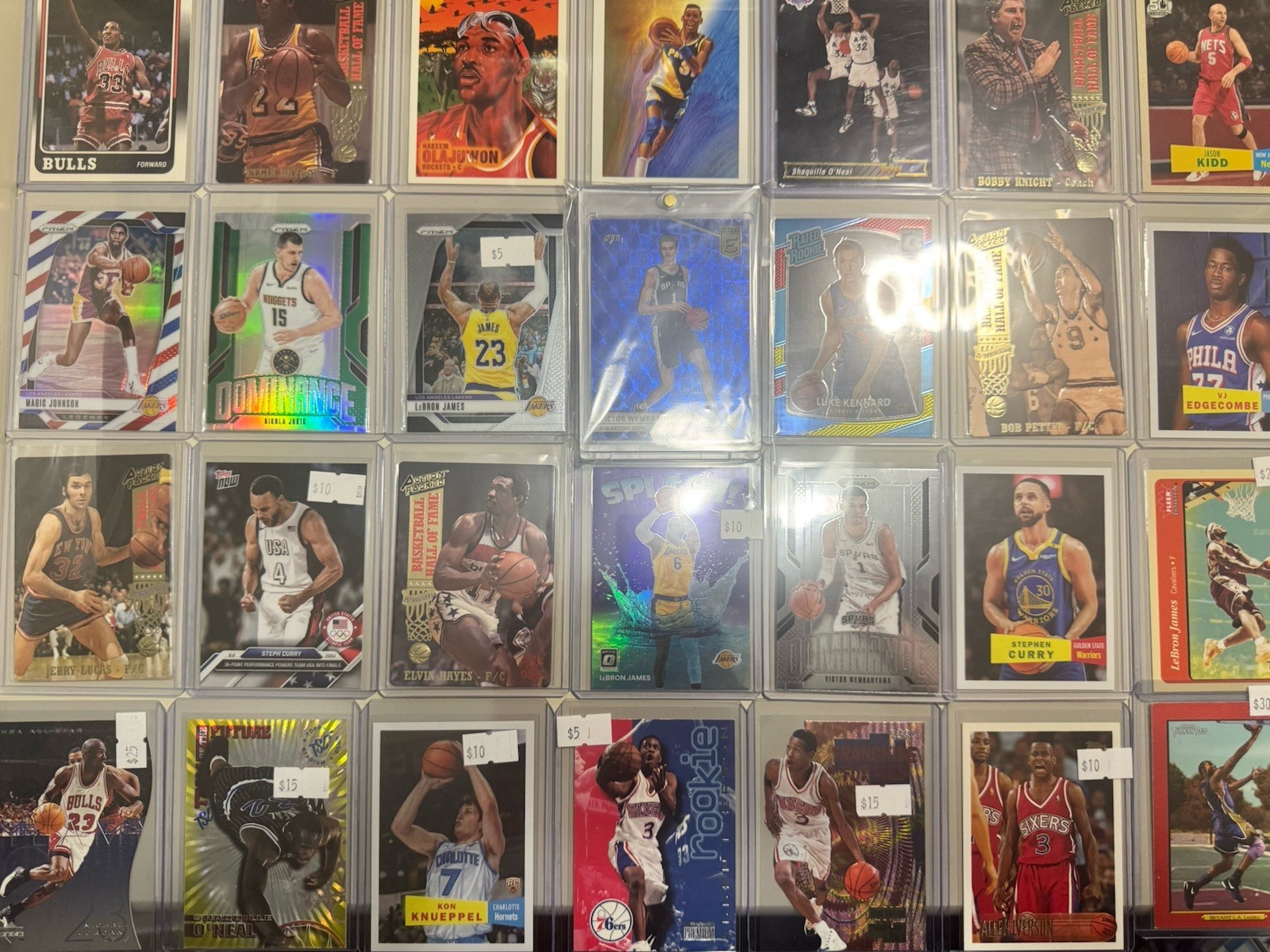
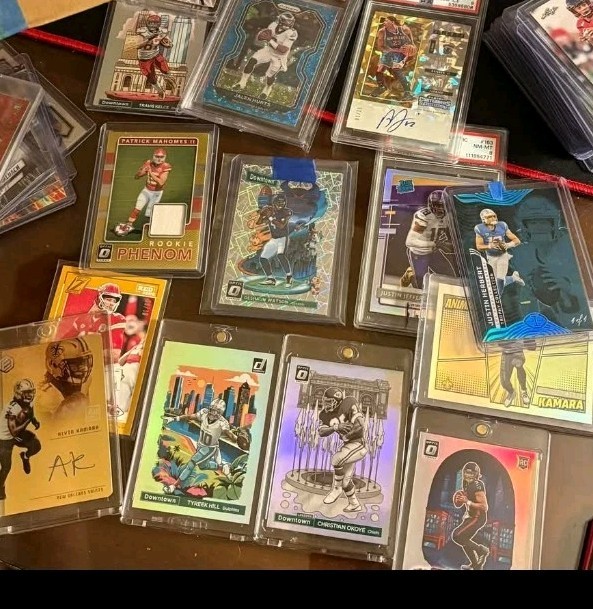

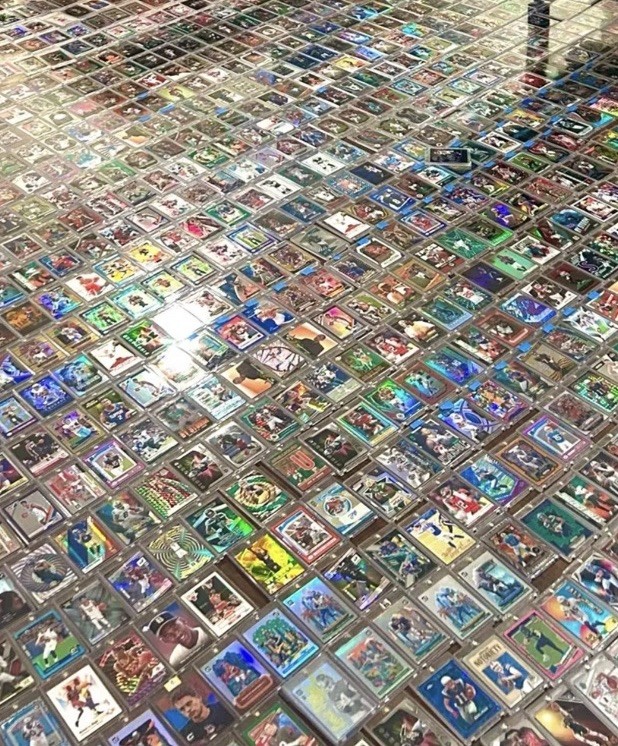

eBay links are affiliate links: JunkPal may earn a commission at no cost to you.
Resale values related to near mint
Shop near mint on eBay ↗![Charizard [Tekno] #6](/api/images/junkpal-products/cards/charizard-tekno-6-pokemon-2000-topps-chrome-card/img0/thumb.webp)

![Articuno [Sparkle] #144](/api/images/junkpal-products/cards/articuno-sparkle-144-pokemon-2000-topps-chrome-card/img0/thumb.webp)


JunkPal may earn a commission when you buy through eBay links, at no extra cost to you.
What’s worth the most
Ranked on medians of real closed eBay sales, not asking prices.