What does “mythic rare” mean?
What it means
Mythic Rare is the top-tier rarity designation within a specific trading card set. It signifies extreme scarcity, placing the card above standard rare, ultra-rare, or secret rare designations. In collecting terms, this is the highest level of collectible scarcity available in that product line. The designation is set by the manufacturer and dictates the intended distribution rate. It is not a subjective term; it is a defined tier within the card game or set structure.
What it does to price
Rarity directly impacts valuation. A Mythic Rare card will command a significant premium over its common counterparts. Depending on the set's overall market health, a graded, Near Mint (NM) example can fetch anywhere from 3x to 10x the price of a standard version of the same artwork. If the card is a chase variant or part of a highly anticipated set, this multiplier can exceed 15x. Conversely, if the card is a "chase" that failed to gain mainstream traction, the multiplier may only be 1.5x to 2x. A common error is assuming all Mythic Rares are equally valuable; a high-demand character's Mythic Rare can easily sell for $500+, whereas a niche character's might only reach $50.
How to spot it
Identification relies on specific set markers. Look for designated foil patterns, unique border treatments, or specific card numbering sequences that denote the highest rarity tier. Many sets use a specific holographic pattern or a unique symbol printed on the card back or front to denote Mythic status. Sellers must provide high-resolution, unedited photos showing the entire card surface, including all four corners and the edges. Common issues include misidentification by sellers (labeling a high-end Rare as Mythic) or counterfeit production. Always check the card's official set checklist or database to confirm the intended rarity.
Buying smart
Paying a premium for a Mythic Rare is justified when the card is confirmed to be a key piece of the set's lore, features a highly popular character, or is part of a short, high-demand print run. If the card is obscure, has low visual appeal, or the market for the entire set is stagnant, the premium is often inflated and not worth the investment. A fair deal involves the asking price being within 20% of recent, comparable sales data for that specific card and condition. If the price is significantly higher without corresponding proof of superior condition (e.g., PSA 10 grade), the purchase is speculative risk.
Selling smart
To maximize return, the listing must immediately establish the card's provenance and condition. The single most effective element is providing a photo of the card under direct, bright light, showing the full surface without glare, allowing buyers to verify the print quality and lack of whitening. Furthermore, explicitly stating the card's confirmed rarity tier (e.g., "Confirmed Mythic Rare") saves time and builds trust. Buyers pay a premium for certainty. If the card is professionally graded (e.g., PSA 10), the grade itself is the primary driver of the premium, superseding the inherent rarity designation.
On eBay right now
Current asking prices from live listings — not sold-comp medians.


eBay links are affiliate links: JunkPal may earn a commission at no cost to you.
Resale values related to mythic rare
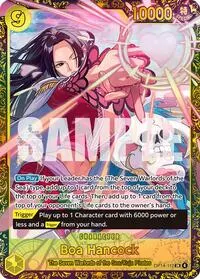
Shop mythic rare on eBay ↗![Duel Link Dragon, the Duel Dragon [Ultra Rare] YCSW-EN012](/api/images/junkpal-products/cards/duel-link-dragon-the-duel-dragon-ultra-rare-ycsw-en012-yugioh-championship-series-card/img0/thumb.webp)


![Mysterious Pearl [Winter Challenge]](/api/images/junkpal-products/cards/mysterious-pearl-winter-challenge-pokemon-japanese-promo-card/img0/thumb.webp)


JunkPal may earn a commission when you buy through eBay links, at no extra cost to you.
What’s worth the most
Ranked on medians of real closed eBay sales, not asking prices.