What does “modern set” mean?
What it means
A modern set refers to a trading card release from a manufacturer within the last 3 to 7 years. This contrasts with "vintage" (typically pre-1990s) or "contemporary" (a more ambiguous term for recent, but not current, releases). The term identifies the card's place within the current product lifecycle. For collectors, it defines the market segment: modern cards are primarily driven by gameplay utility (in TCGs) or current cultural relevance (in sports cards), rather than pure historical scarcity. The market is highly active, meaning supply and demand shifts quickly with new product drops.
What it does to price
Price is heavily influenced by playability and chase potential. A common, non-chase modern card in Near Mint (NM) condition might sell loose for \$0.50 to \$3.00. A highly desirable "chase" card from the same modern set, depending on its rarity and competitive viability, can range from \$15 to over \$150. Condition is critical; a Near Mint copy of a popular modern chase card often fetches 2x to 4x the price of a Lightly Played (LP) copy. If a key character or athlete is suddenly banned or retired from competitive play, the value of their modern cards can drop by 30-50% almost overnight.
How to spot it
Identification relies on the set symbol, year, and specific print runs. Modern sets will carry the current manufacturer's logo and usually feature a recent year stamp. For TCGs, the set code (e.g., "SM12" for a specific expansion) is the definitive marker. Sellers must provide high-resolution photos showing the full card surface, especially the bottom border and any holographic or foil elements. Common issues include "print runs" where a specific card might be misprinted with a different rarity symbol, or simply misidentifying a modern reprint as a newer, more valuable variant.
Buying smart
Paying a premium for a modern card is justified when the card has established competitive viability or is tied to a major, ongoing cultural trend. If a card is a staple in the current "meta" (the most effective strategies in play), the premium is warranted. Buying is risky if the card is speculative—meaning its value relies purely on hype rather than proven utility. A fair deal involves comparing the asking price against recent sales data for that specific card's condition grade, not just the set's general popularity. If the asking price is 3x the average recent sale price without a clear reason (like graded status), it is likely inflated.
Selling smart
Proving the card's authenticity and condition is the primary driver of premium pricing. Listing must include clear, well-lit photos showing the card from multiple angles, especially the edges and corners, to substantiate the stated condition (e.g., NM vs. LP). If the card is a rare variant, explicitly stating the variant name or number is non-negotiable. The single most valuable addition to a listing is a photo of the card in a protective sleeve or top loader, which implies professional handling and care, often justifying a 10-20% price bump over a loose, un-protected listing.
On eBay right now
Current asking prices from live listings — not sold-comp medians.


eBay links are affiliate links: JunkPal may earn a commission at no cost to you.
Resale values related to modern set
Shop modern set on eBay ↗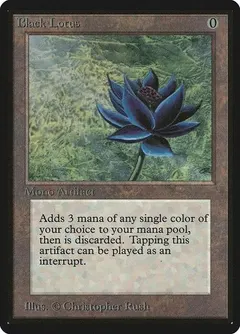
![Booster Box [Series 1]](/api/images/junkpal-products/cards/booster-box-series-1-pokemon-2000-topps-chrome-card/img0/thumb.webp)
![Darklord Asmodeus [Ultra Rare] YCSW-EN001](/api/images/junkpal-products/cards/darklord-asmodeus-ultra-rare-ycsw-en001-yugioh-championship-series-card/img0/thumb.webp)
![Number 106: Giant Hand [Ultra Rare] YCSW-EN006](/api/images/junkpal-products/cards/number-106-giant-hand-ultra-rare-ycsw-en006-yugioh-championship-series-card/img0/thumb.webp)
![Number 93: Utopia Kaiser [Ultra Rare] YCSW-EN009](/api/images/junkpal-products/cards/number-93-utopia-kaiser-ultra-rare-ycsw-en009-yugioh-championship-series-card/img0/thumb.webp)

JunkPal may earn a commission when you buy through eBay links, at no extra cost to you.
What’s worth the most
Ranked on medians of real closed eBay sales, not asking prices.