What does “modern” mean?
What it means
"Modern" in trading cards denotes cards produced within the last 20 to 30 years. This contrasts sharply with "Vintage" (generally pre-1980s) and "Antique" (pre-1950s). Modern cards reflect contemporary collecting trends, utilizing modern printing processes, current player rosters, and recent design aesthetics. The term is a broad category; it does not imply inherent value. Value is determined by the specific set, the card's rarity tier (base, parallel, rookie), and current market demand, not the general designation of "modern."
What it does to price
The price impact of being "modern" is neutral until rarity is factored in. A common, base-level modern card typically holds minimal value, often less than $1.00 loose. Value increases exponentially with scarcity. A modern rookie parallel (e.g., a specific numbered insert) can see price multipliers ranging from 10x to 100x the value of a base card from the same set, depending on its scarcity. A high-demand, modern chase card in Near Mint condition might sell for $150.00, whereas a common modern card from the same release might sell for $0.15.
How to spot it
Identifying a modern card requires knowing the manufacturer and set year. Modern cards will feature current logo designs and printing standards. To confirm authenticity, examine the card stock for modern printing registration; older cards sometimes show slight color bleeding or paper texture differences. When purchasing online, request high-resolution photos of the card back, specifically looking for the set identifier or year stamp, and the card edges to check for centering and print quality. Common mistakes include mislabeling a recent "vintage-style" reprint as a true vintage card.
Buying smart
Paying a premium for a modern card is justifiable only when the card possesses verifiable scarcity and high market momentum. If a card is a low-tier parallel or a base card from a non-hyped set, the premium is unwarranted. A fair deal involves comparing the asking price against recent sales data for that specific card number and condition grade. If a card is listed significantly above the established floor price for its condition, the risk outweighs the potential reward unless the card is a proven, high-tier chase item.
Selling smart
Proving the card is a genuine, high-tier modern chase card dictates the selling price. Listing must include the exact set name, year, and card number. The single most effective element in a listing is a high-resolution, perfectly lit photo showing the card's front and back, clearly displaying any unique numbering or foil pattern. Using terms like "PSA 10" (if graded) or "Gem Mint" in the title immediately signals condition and authenticity, allowing the seller to command the top end of the market range.
On eBay right now
Current asking prices from live listings — not sold-comp medians.

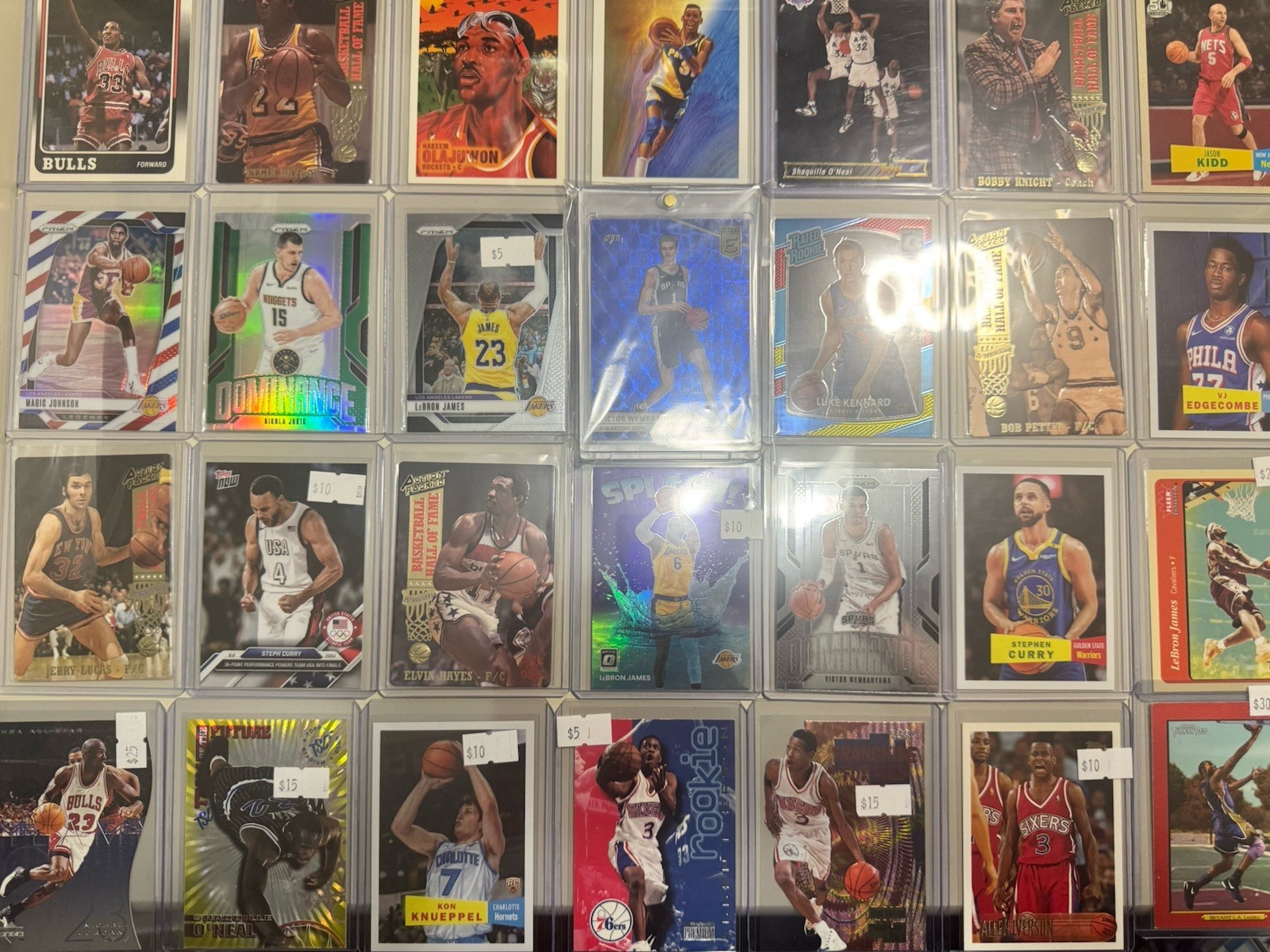
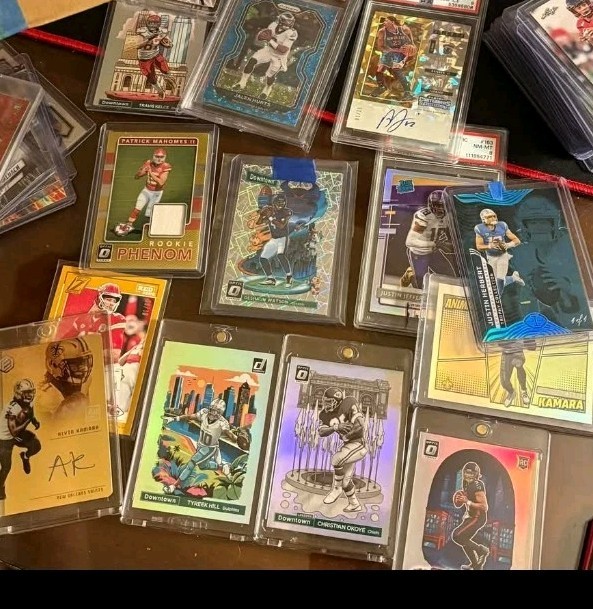

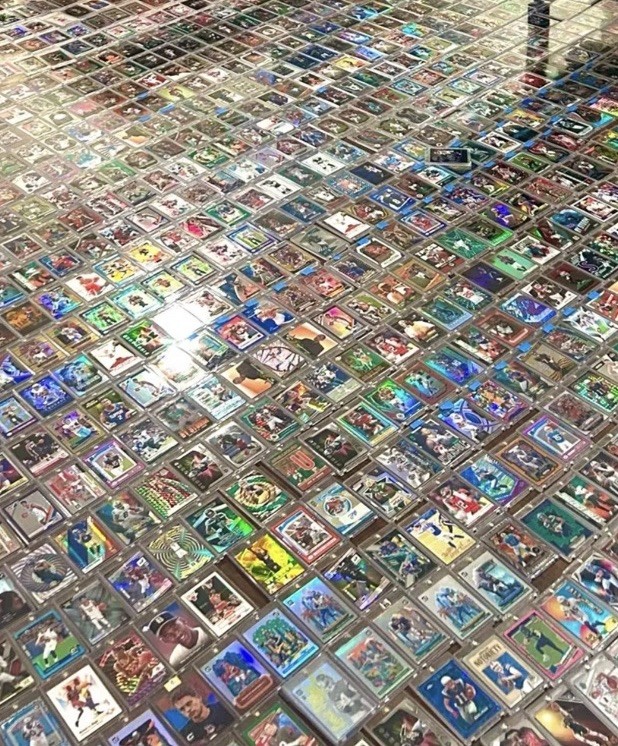

eBay links are affiliate links: JunkPal may earn a commission at no cost to you.
Resale values related to modern
Shop modern on eBay ↗





JunkPal may earn a commission when you buy through eBay links, at no extra cost to you.
What’s worth the most
Ranked on medians of real closed eBay sales, not asking prices.