What does “misprint” mean?
What it means
A misprint is a deviation from the intended, standard production run of a trading card. This includes, but is not limited to, color shifts, swapped card artwork or text, typographical errors (typos), or unintended printing artifacts. Unlike standard variations (like parallel sets or holo patterns), a true misprint is an error in the manufacturing process. In the collecting niche, these are valued because they are non-standard, uncorrected errors. The mainstream equivalent is a manufacturing defect, but collectors treat it as a deliberate rarity.
What it does to price
The impact on price is highly variable, depending on the severity and desirability of the error. A minor typo on a low-value card might add 10-25% to the price. However, a significant, visually obvious error on a high-demand card can result in multipliers ranging from 3x to over 10x compared to a standard version. For example, a common card with a reversed color palette might fetch $50 loose, while the genuine misprint version could command $150 to $300 loose, depending on market demand for that specific error. Errors that are easily confused with normal wear or minor printing flaws rarely command a premium.
How to spot it
Identifying a misprint requires close examination of the card's printing details. Check text alignment, color saturation against known correct samples, and image registration. Many errors are subtle. Sellers must provide high-resolution, well-lit photos from multiple angles. Common mistakes to watch for are genuine printing flaws (like ink smudges or registration errors that occur on every card of a batch) versus a true, reproducible error that defines a specific variant. If the error appears random across a batch, it is likely a flaw, not a collectible misprint.
Buying smart
Paying a premium for a misprint is justifiable only when the error is verifiable, significant, and the card's base value is already high. If the card is common or low-grade, the premium often outweighs the potential return. A fair deal involves the asking price being within 1.5x to 3x the price of the standard, graded version of the same card, provided the error is documented. If the seller cannot provide clear evidence of the error, the premium should not be paid.
Selling smart
Listing a misprint requires absolute transparency. The listing description must explicitly name the error (e.g., "Color Swap Variant," "Typo on Back"). The single most effective element for commanding the premium is a high-resolution, close-up photograph that clearly isolates the error, ideally with a comparison shot to the standard version. Labeling the card as a "Confirmed Misprint" immediately separates it from standard variants and justifies the higher asking price.
On eBay right now
Current asking prices from live listings — not sold-comp medians.
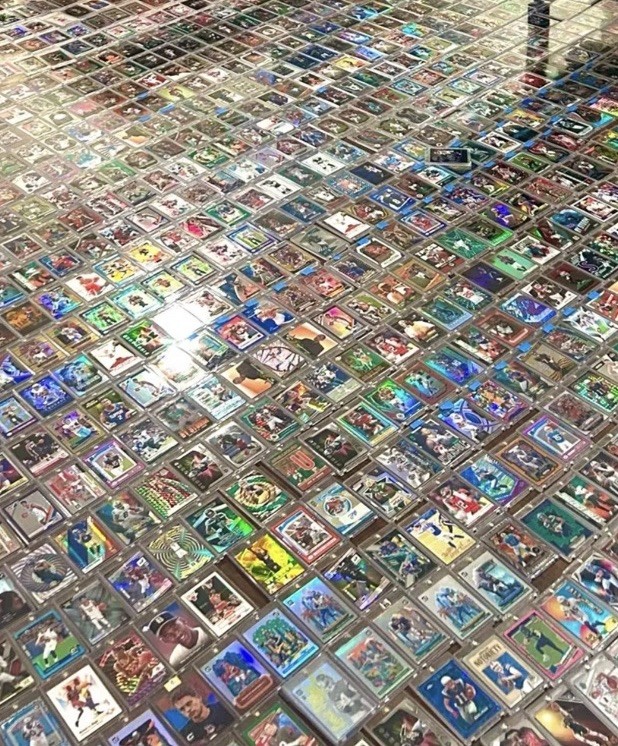
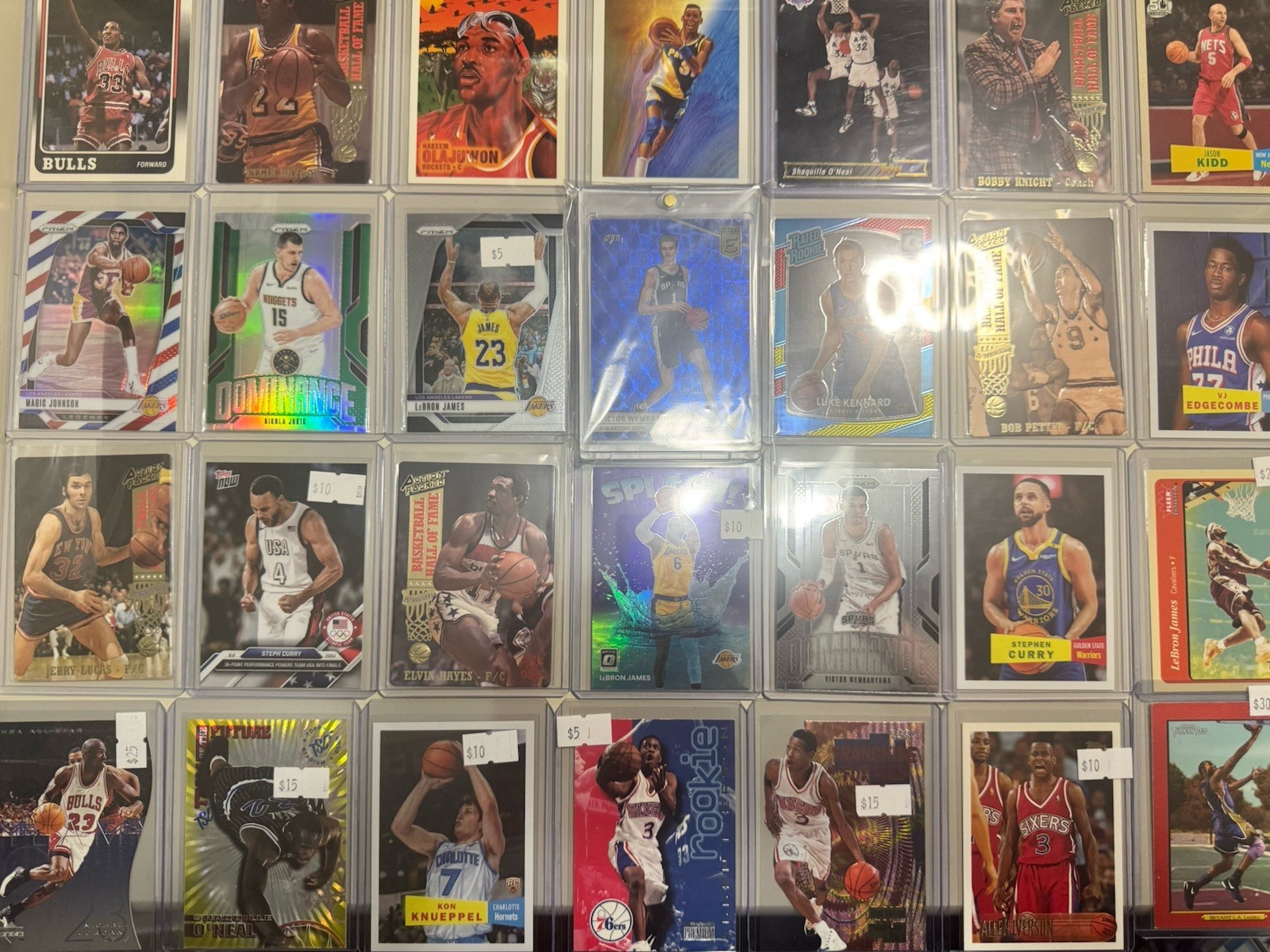

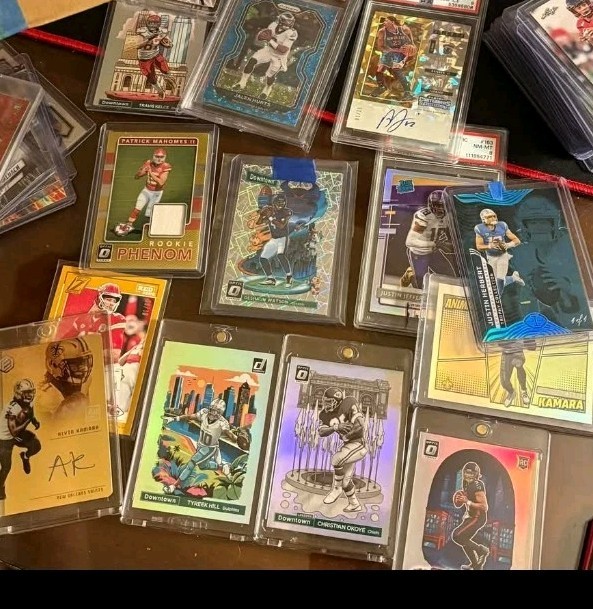


eBay links are affiliate links: JunkPal may earn a commission at no cost to you.
Resale values related to misprint
Shop misprint on eBay ↗




![Scyther [Tekno] #123](/api/images/junkpal-products/cards/scyther-tekno-123-pokemon-2000-topps-chrome-card/img0/thumb.webp)
JunkPal may earn a commission when you buy through eBay links, at no extra cost to you.
What’s worth the most
Ranked on medians of real closed eBay sales, not asking prices.