What does “mint condition card” mean?
What it means
Mint condition card signifies a trading card exhibiting zero discernible flaws. This standard requires the card to appear factory-fresh, as if immediately removed from its original packaging. Flaws that disqualify a card from mint status include, but are not limited to, corner rounding or whitening, edge nicks, surface scratches, print misalignment or defects, creasing, or evidence of handling. This is the highest achievable condition grade for a raw card. In the mainstream collecting world, this equates to a PSA 10 or BGS 9.5/10, though this glossary refers to the physical state before professional grading.
What it does to price
The condition grade is the primary driver of market valuation. A mint card commands a substantial premium over lower grades. For a mid-tier, non-PSA-graded card, the difference between mint and near-mint can range from 50% to 200% of the base value. For high-value, rare chase cards, this premium can easily translate to thousands of dollars. A card listed as mint, but showing a hairline scratch on the surface, will instantly drop in value, potentially losing 30-50% of its potential premium. Conversely, a card confirmed mint can see a 10-30% uplift over a card described as "excellent" but lacking absolute perfection.
How to spot it
Inspection requires magnification. Examine the four corners under bright light for any signs of wear or whitening. Run a finger along the edges to detect nicks or dings. Scrutinize the card surface under magnification for microscopic scratches or print registration errors. Check the centering—perfect centering is a hallmark of a mint card, though centering is a separate grading factor. Common mistakes include mistaking minor surface dust or print texture variation for a scratch. Sellers sometimes mislabel cards; a card that looks perfect but has a slight edge bend is not truly mint. Always request high-resolution, close-up photos of all four corners and the front/back surface.
Buying smart
Paying a premium for mint condition is justified when the card is a key centerpiece of a high-value collection or is a highly sought-after chase card with low population reports. If the card is common or part of a large, low-investment bulk purchase, the marginal return on paying the mint premium is often negligible. A fair deal involves the asking price being within 10-15% of the established market average for confirmed mint examples. If the seller cannot provide verifiable proof of its pristine state, the premium should be discounted accordingly.
Selling smart
Listing a card as mint requires absolute confidence in its condition. The premium buyers pay is directly tied to the seller's ability to prove the claim. The single most valuable piece of evidence is a high-resolution, focused photograph showing the card under direct, bright light, specifically highlighting the corners and edges. A simple declaration of "Mint" is insufficient; the accompanying visual proof validates the price. If the card is graded (e.g., PSA 10), the slab itself acts as the definitive proof, allowing for the highest possible realized price.
On eBay right now
Current asking prices from live listings — not sold-comp medians.


eBay links are affiliate links: JunkPal may earn a commission at no cost to you.
Resale values related to mint condition card
Shop mint condition card on eBay ↗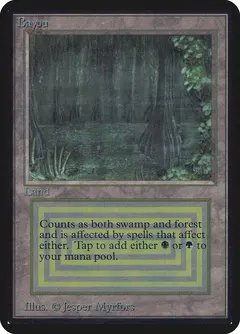
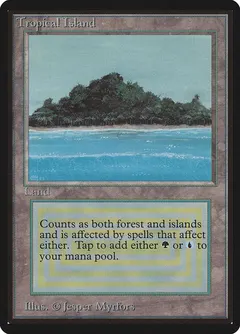


![Vaporeon [Gold Star] #22](/api/images/junkpal-products/cards/vaporeon-gold-star-22-pokemon-japanese-promo-card/img0/thumb.webp)
![Booster Box [Series 2]](/api/images/junkpal-products/cards/booster-box-series-2-pokemon-2000-topps-tv-card/img0/thumb.webp)
JunkPal may earn a commission when you buy through eBay links, at no extra cost to you.
What’s worth the most
Ranked on medians of real closed eBay sales, not asking prices.