What does “mint condition” mean?
What it means
Mint condition describes a trading card in flawless, factory-fresh state. This is the apex of card condition, meaning zero discernible wear. There are no corner whitening, edge nicks, surface abrasions, print fading, or creases. This term is the highest attainable grade, often equating to a PSA 10 or a Gem Mint rating. The distinction between "Mint" and "Near Mint" is critical; Near Mint allows for extremely minor, almost invisible flaws, while Mint demands absolute perfection. This is not merely "very good"; it is pristine.
What it does to price
Mint condition commands the highest market premium. For high-demand, low-supply cards, the difference between a Near Mint and a true Mint copy can represent a 50% to 150% increase in resale value. For common chase cards, the multiplier might be 2x to 4x compared to a lightly played copy. A specific example: a sought-after rookie card graded Mint might sell for $1,500, whereas the same card in Near Mint condition might fetch $800. Factors pushing the price up include perfect centering and sharp, vibrant color saturation. Downward pressure comes from minor, undetectable surface imperfections that might be missed by a casual observer.
How to spot it
Visual inspection requires magnification. Examine all four corners under direct, bright light for any signs of rounding or whitening. Inspect the edges under a strong light source for micro-nicks or chipping. The surface must be perfectly flat; look for any slight bubbling or print lifting. Centering is paramount; the image should be perfectly balanced within the borders. Sellers must provide high-resolution, multiple-angle photos. A common mistake is confusing "Mint" with "Near Mint" due to slight edge wear. Fakes are often found in the print registration—check for misalignment between the card art and the border printing.
Buying smart
Paying the Mint premium is justifiable only for cards that are high-demand, low-supply, or are part of a highly valuable set. If the card is common or has a high print run, the premium often does not justify the investment risk. A fair deal involves the asking price being within 10-20% of established auction results for graded Mint copies. If the seller cannot provide clear, high-magnification photos confirming perfection, the price should be negotiated down to account for potential undisclosed flaws.
Selling smart
Proving Mint condition in a listing immediately elevates the perceived value and attracts premium buyers. The single most effective element is a photo taken under bright, diffused light that clearly shows the card from all four corners and the front surface, allowing flaws to be scrutinized. Listing the card as "Mint" or "Gem Mint" requires absolute confidence in its flawless state. If the card is professionally graded (PSA 10), that certification is the ultimate proof, bypassing subjective debate entirely.
On eBay right now
Current asking prices from live listings — not sold-comp medians.


eBay links are affiliate links: JunkPal may earn a commission at no cost to you.
Resale values related to mint condition
Shop mint condition on eBay ↗


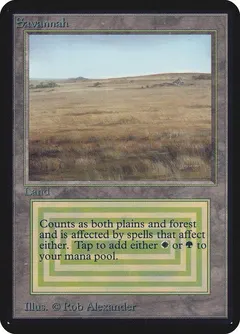
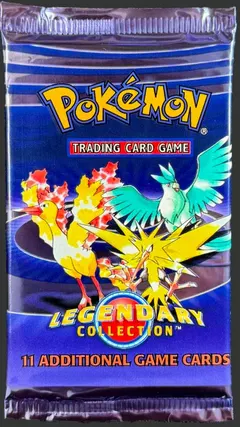
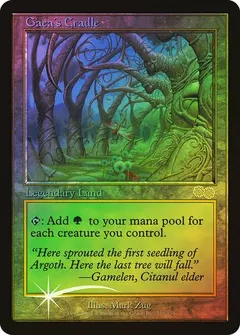
![Gengar [Sparkle] #94](/api/images/junkpal-products/cards/gengar-sparkle-94-pokemon-2000-topps-chrome-card/img0/thumb.webp)

JunkPal may earn a commission when you buy through eBay links, at no extra cost to you.
What’s worth the most
Ranked on medians of real closed eBay sales, not asking prices.