What does “mint” mean?
What it means
Mint condition in trading cards means the card exhibits virtually no signs of wear or damage from handling, storage, or manufacturing. This standard is the highest achievable grade, signifying perfection. Flaws that disqualify a card from mint status include edge whitening (fading or discoloration along the borders), corner rounding or chipping, surface scratches, print defects (misregistration or ink spots), or creasing. This is the equivalent of a factory-fresh, untouched item in general collecting terms.
What it does to price
The jump from Near Mint (NM) to Mint (M) can represent a substantial value increase, often 1.5x to 4x, depending on the card's rarity and market demand. For common, low-value cards, the difference might be negligible ($1-$3). For high-demand, scarce cards, the difference can be exponential; a highly sought-after rookie card in Mint condition might fetch 5x to 10x the price of the same card graded NM. Factors pushing the price up include perfect centering and flawless surface quality. Factors pulling it down include microscopic print flaws invisible to the naked eye.
How to spot it
Visual inspection requires magnification. Look closely at the corners under direct light for any minute rounding. Examine the edges for any signs of whitening or wear where the card meets the plastic holder. Print quality must be uniform across the entire card—no smudging, ink bleeding, or misalignment of the image relative to the text. Sellers should provide high-resolution, well-lit photos showing all four corners and the card's surface from multiple angles. Common issues to watch for are subtle corner dings mistaken for perfect corners, or minor print defects that are actually manufacturing errors, not wear.
Buying smart
Paying a significant premium for Mint condition is justified only when the card is a high-tier investment piece or a centerpiece for a specific collection. For bulk buying or low-value cards, the risk-to-reward ratio is poor; the difference in price rarely justifies the risk of accepting a slight imperfection. A fair deal involves the asking price being within 10-20% of established market averages for graded Mint examples of that specific card. If the seller cannot provide verifiable proof of condition (e.g., a high-quality photo set), the premium should be significantly discounted.
Selling smart
To command the Mint premium, documentation is non-negotiable. A simple photograph is insufficient; the listing must include multiple, high-resolution photos taken under consistent, bright, natural light. The description must explicitly state that the card is "Mint condition, no visible flaws." For maximum value, the card should be professionally graded by a recognized third-party service (PSA, BGS, SGC). The presence of a sealed, high-grade slab is the single most effective way to prove and monetize the Mint condition.
On eBay right now
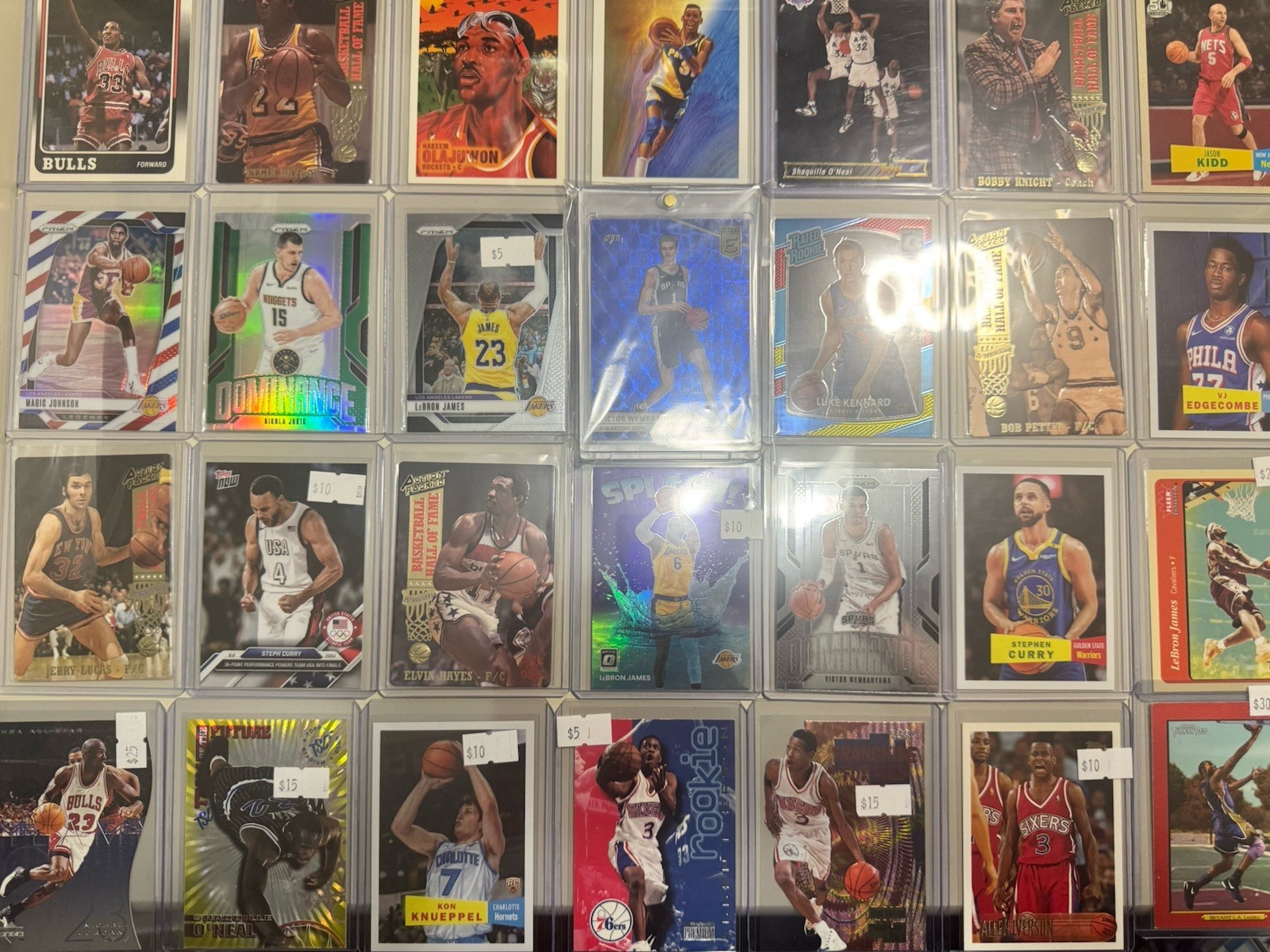
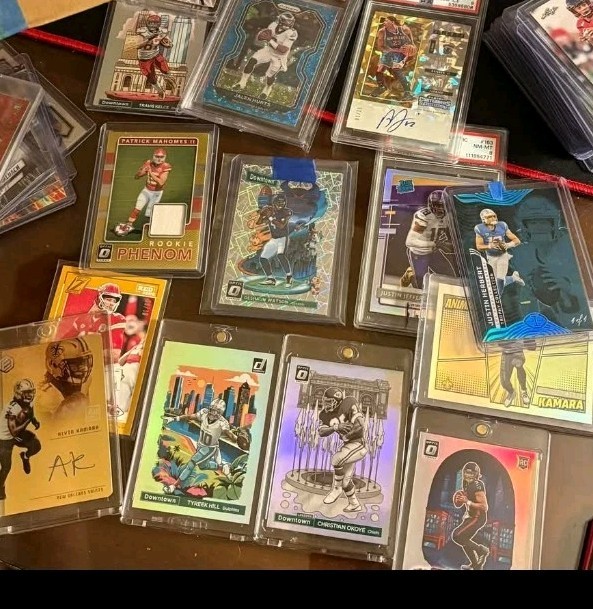
Current asking prices from live listings — not sold-comp medians.



eBay links are affiliate links: JunkPal may earn a commission at no cost to you.
Resale values related to mint
Shop mint on eBay ↗
![Mysterious Girl Illyasviel SP (Fate/stay night [Heaven’s Feel])](/api/images/junkpal-products/tcgcsv/mysterious-girl-illyasviel-sp-205745-tcg/img0/thumb.webp)




JunkPal may earn a commission when you buy through eBay links, at no extra cost to you.
What’s worth the most
Ranked on medians of real closed eBay sales, not asking prices.