What does “metallic” mean?
What it means
"Metallic" in trading cards refers to any surface treatment that incorporates reflective materials, such as foil stamping, holographic overlays, or prismatic inks. This is distinct from simple gloss; true metallic finishes interact with light to create a distinct sheen or color shift. It is not merely a visual flair but a manufacturing designation. This characteristic often denotes a specific production tier—a chase card, parallel, or special promotional run—setting it apart from the standard, matte-finish base card. The term covers everything from a subtle silver sheen to a full, multi-spectrum holographic effect.
What it does to price
The presence of a metallic finish acts as a significant value accelerator. Generally, a metallic version of a card, assuming comparable condition (Near Mint/Mint), commands a premium of 1.5x to 4x the price of its standard, non-metallic counterpart. The magnitude of the multiplier depends on scarcity. A common parallel with a light metallic sheen might see a 1.5x increase. Conversely, a rare, full-coverage, rainbow holographic foil can easily see 5x or more. A practical example: a base card selling for $5 might see its metallic parallel fetch $15 to $25, depending on its print run size. Poorly applied or scratched metallic elements will negate this premium entirely.
How to spot it
The tell is the interaction with light. A metallic card will exhibit a distinct, non-uniform reflection. Sellers must provide high-resolution photos taken under direct, varied lighting. Look for specific production markers: some sets use specific foil patterns (e.g., "Chrome," "Prism," or "Holo") printed on the card back or within the card art. Common mistakes include cheap, low-quality holographic stickers applied *over* the card surface, which are often easily peeled or look inconsistent compared to true foil integration. Fakes often use simple glitter or glossy ink that lacks the depth of genuine foil stamping.
Buying smart
Paying a premium for a metallic card is justified when the finish is integral to a low-print-run variant. If the metallic treatment is part of a limited parallel (e.g., /10 or /50), the premium is warranted. If the metallic finish is applied to a mass-market, common card, the added cost rarely justifies the risk, as the scarcity factor is absent. A fair deal involves the premium being proportional to the known scarcity tier. If a seller demands a 5x premium for a card that is known to be a high-print-run variant, the deal is inflated.
Selling smart
To maximize return, the listing must explicitly detail the nature of the metallic element. Do not just write "Metallic." Specify: "Full Holographic Foil," "Prismatic Overlay," or "Silver Refractor." The single most effective element in a listing is a macro photograph taken under bright, direct light that clearly shows the reflection and pattern of the foil. This visual proof validates the premium price point, moving the card from a generic listing to a specialized collectible item, allowing the seller to command the higher market rate.
On eBay right now
Current asking prices from live listings — not sold-comp medians.

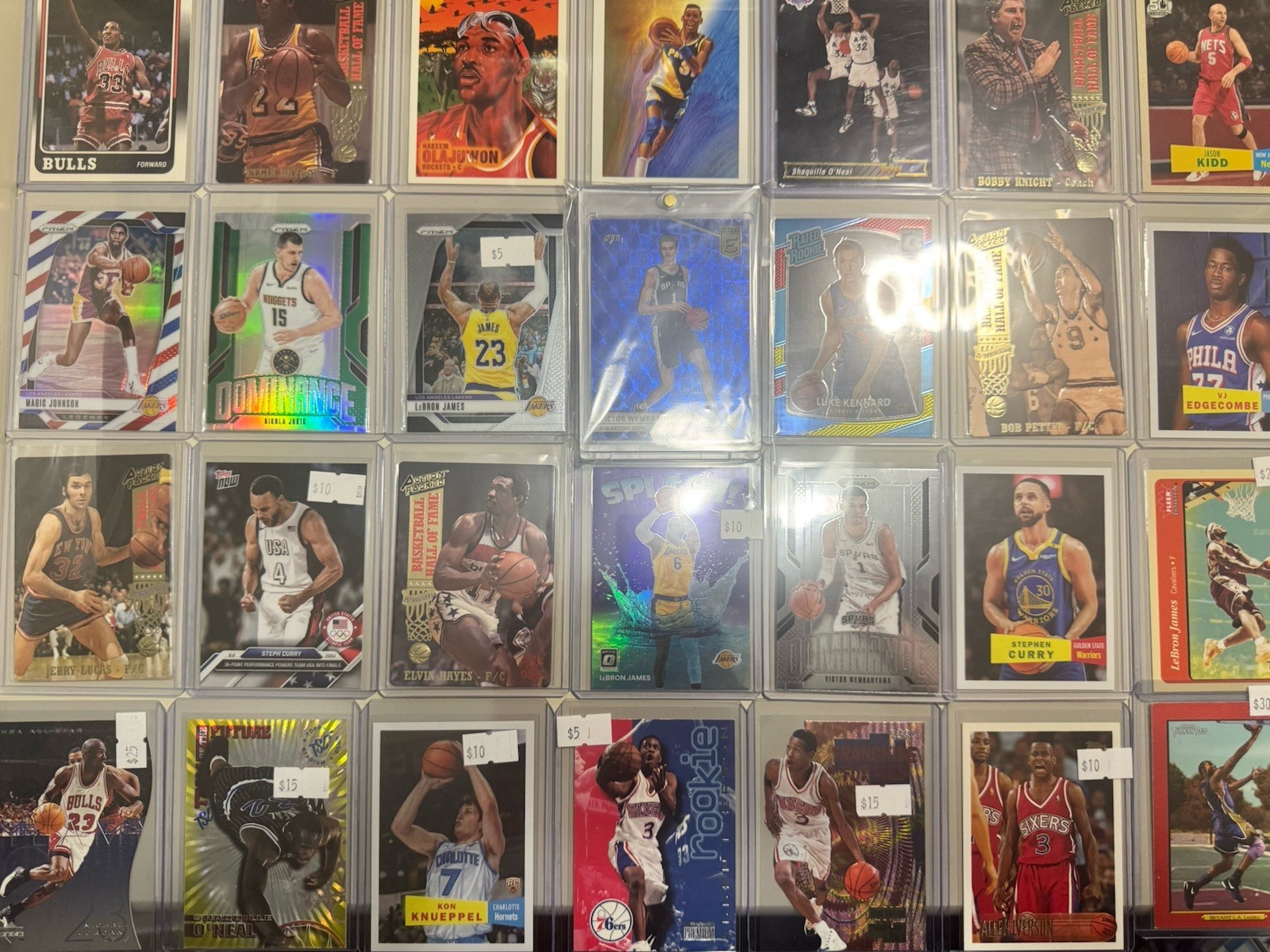
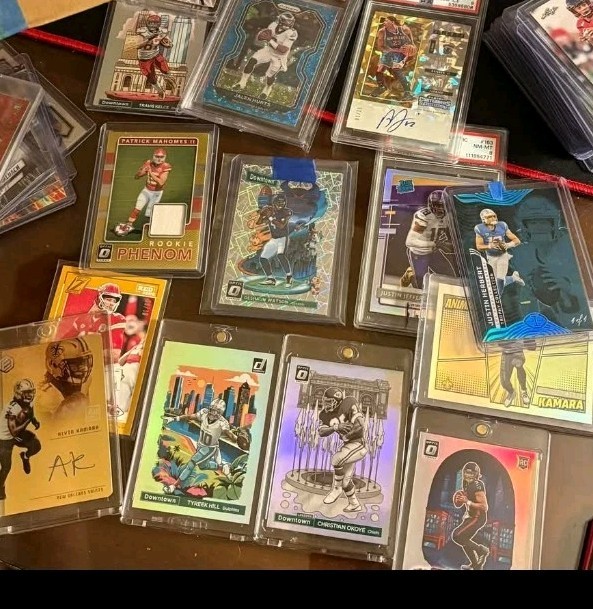


eBay links are affiliate links: JunkPal may earn a commission at no cost to you.
Resale values related to metallic
Shop metallic on eBay ↗

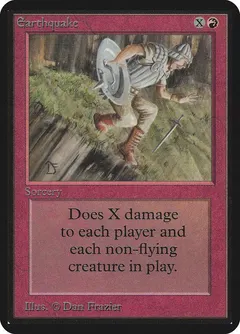
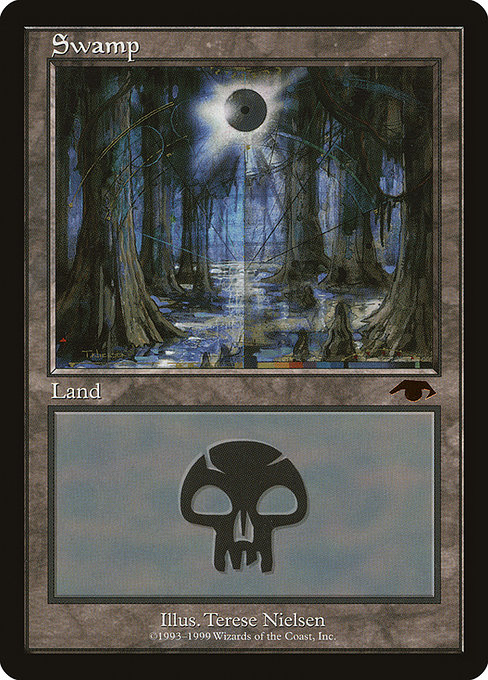
![Pikachu [Reverse Holo] #86](/api/images/junkpal-products/cards/pikachu-reverse-holo-86-pokemon-legendary-collection-card/img0/thumb.webp)
JunkPal may earn a commission when you buy through eBay links, at no extra cost to you.
What’s worth the most
Ranked on medians of real closed eBay sales, not asking prices.