What does “meta game” mean?
What it means
The meta game describes the current, most effective strategies and dominant card archetypes within a specific trading card game. It is the prevailing consensus on what combinations and playstyles perform best against the current card pool. This is distinct from a single card's power level; it is the overarching strategic environment. In the collecting niche, the meta is a direct indicator of current player utility. A card that enables a dominant, winning strategy is considered "meta-relevant." A card that is rarely used in top-tier play is considered "meta-dead."
What it does to price
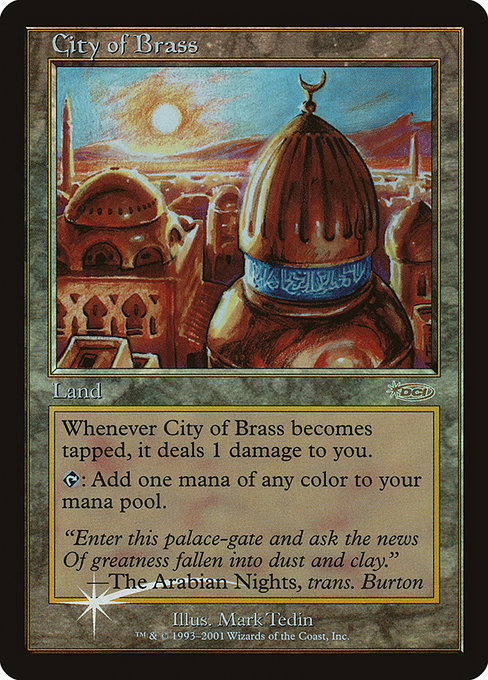
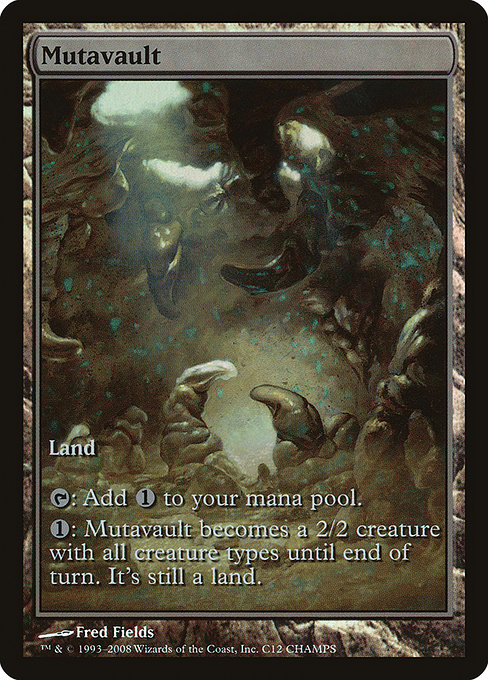
Meta relevance directly impacts liquidity and price ceilings. Cards central to a dominant archetype see demand surge, often leading to price increases of 50% to 300% over their baseline value during peak meta periods. Conversely, meta-dead staples may see value decline by 20-40% as competitive players stop seeking them. For example, if a specific land card becomes mandatory for the top-tier deck, its market price might jump from $15 loose to $45 within a single competitive cycle.
How to spot it
Spotting the meta requires monitoring official tournament results, high-level competitive streams, and major community forums. Look for recurring card names or specific deck archetypes appearing consistently in top finishes. There are no specific physical edition markers tied to the meta itself; the meta is temporal. However, sellers should provide tournament history or recent decklists featuring the card to prove its current relevance. Watch for sellers claiming a card is "staple" without context—this is often marketing fluff unless supported by recent competitive data.
Buying smart
Paying a premium for a meta card is justified when that card is demonstrably critical to a currently winning, high-visibility archetype. If the card is niche or only useful in low-tier play, the premium is likely speculative and risky. A fair deal involves the price reflecting the card's established utility in recent, recognized competitive events, not just hype. If the card is highly sought after but has no recent competitive backing, the price should be discounted to reflect speculative risk.
Selling smart
Listing a card as "Meta Staple" or "Tournament Proven" allows for a significant price uplift. Buyers pay a premium for assurance that the card is actively useful, not just a collectible relic. The single most effective addition to a listing is a screenshot or link to a recent, high-level tournament where the card was used successfully. This proof of current utility validates the higher asking price and filters out purely nostalgic buyers.
On eBay right now
Current asking prices from live listings — not sold-comp medians.





eBay links are affiliate links: JunkPal may earn a commission at no cost to you.
Resale values related to meta game
Shop meta game on eBay ↗
![Lapras [Tekno] #131](/api/images/junkpal-products/cards/lapras-tekno-131-pokemon-2000-topps-chrome-card/img0/thumb.webp)
![Vulpix [Tekno] #37](/api/images/junkpal-products/cards/vulpix-tekno-37-pokemon-2000-topps-chrome-card/img0/thumb.webp)
![Blastoise [Tekno] #9](/api/images/junkpal-products/cards/blastoise-tekno-9-pokemon-2000-topps-chrome-card/img0/thumb.webp)
![Squirtle [Tekno] #7](/api/images/junkpal-products/cards/squirtle-tekno-7-pokemon-2000-topps-chrome-card/img0/thumb.webp)
JunkPal may earn a commission when you buy through eBay links, at no extra cost to you.
What’s worth the most
Ranked on medians of real closed eBay sales, not asking prices.