What does “matte finish” mean?
What it means
Matte finish denotes a non-reflective, dull surface treatment applied to a trading card. This contrasts directly with the standard glossy finish, which reflects light sharply. In the collecting niche, this finish is a deliberate manufacturing choice, not just a wear indicator. It provides a flatter, less slick tactile experience. The term is straightforward; it means the card absorbs light rather than reflecting it. While the short definition correctly notes fingerprint resistance, the primary function for grading and collecting is maintaining visual integrity against surface wear, which is often more pronounced on high-gloss surfaces.
What it does to price
A genuine, factory-applied matte finish typically supports a 10-25% price premium over an identical card with a degraded or unintended glossy sheen, provided the condition is otherwise identical. The premium is most noticeable in high-end, vintage, or specialized print runs where the finish is a known characteristic. If the matte finish is compromised—showing areas of accidental gloss from handling or poor printing—the value drops sharply, potentially 30% or more, as this indicates poor manufacturing or heavy wear. For example, a rare, mint-condition matte card might sell for $150; if the matte surface has noticeable oily smudges, the price could drop to $110.
How to spot it
The tell is visual and tactile. Visually, the card surface should diffuse light evenly when held under direct light; there should be no sharp, mirror-like reflections. Tactilely, it feels less slick than a standard gloss card. Print details are key: on matte cards, fine line work and color saturation often appear deeper and less "blown out" than on glossy counterparts. Sellers should provide high-resolution, non-filtered photos taken under bright, diffused light. A common mistake is confusing a *matte* finish with a *low-luster* coating, which is a slightly different, less uniform application. Fakes are rare regarding the finish itself, as it is a production characteristic, but poor handling can mimic finish degradation.
Buying smart
Paying a premium for a matte finish is justified when the card is a highly sought-after variant or when the matte finish is integral to the card's established identity (e.g., a specific limited print run). If the card is a common, low-value staple, the small premium is unlikely to offset the risk of handling damage. A fair deal involves the card exhibiting a uniform matte appearance across the entire surface. If the seller claims it is matte but the photo shows clear hotspots of reflection, the price is inflated. A fair deal means the finish matches the expected standard for that specific card series.
Selling smart
Proving the matte finish in a listing directly supports a higher valuation tier. The single most effective element is a close-up photo taken at a 45-degree angle under strong, direct light. This photo must clearly demonstrate light diffusion rather than reflection. The word "Matte Finish" in the title and description is mandatory. This single piece of evidence allows the seller to bypass buyers who discount cards with a glossy sheen, immediately positioning the item in the higher-value segment of the market.
On eBay right now
Current asking prices from live listings — not sold-comp medians.
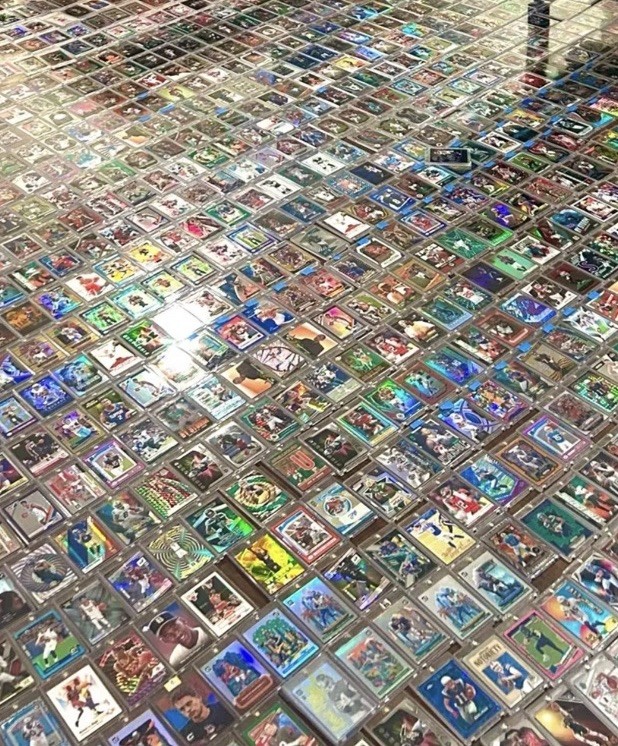
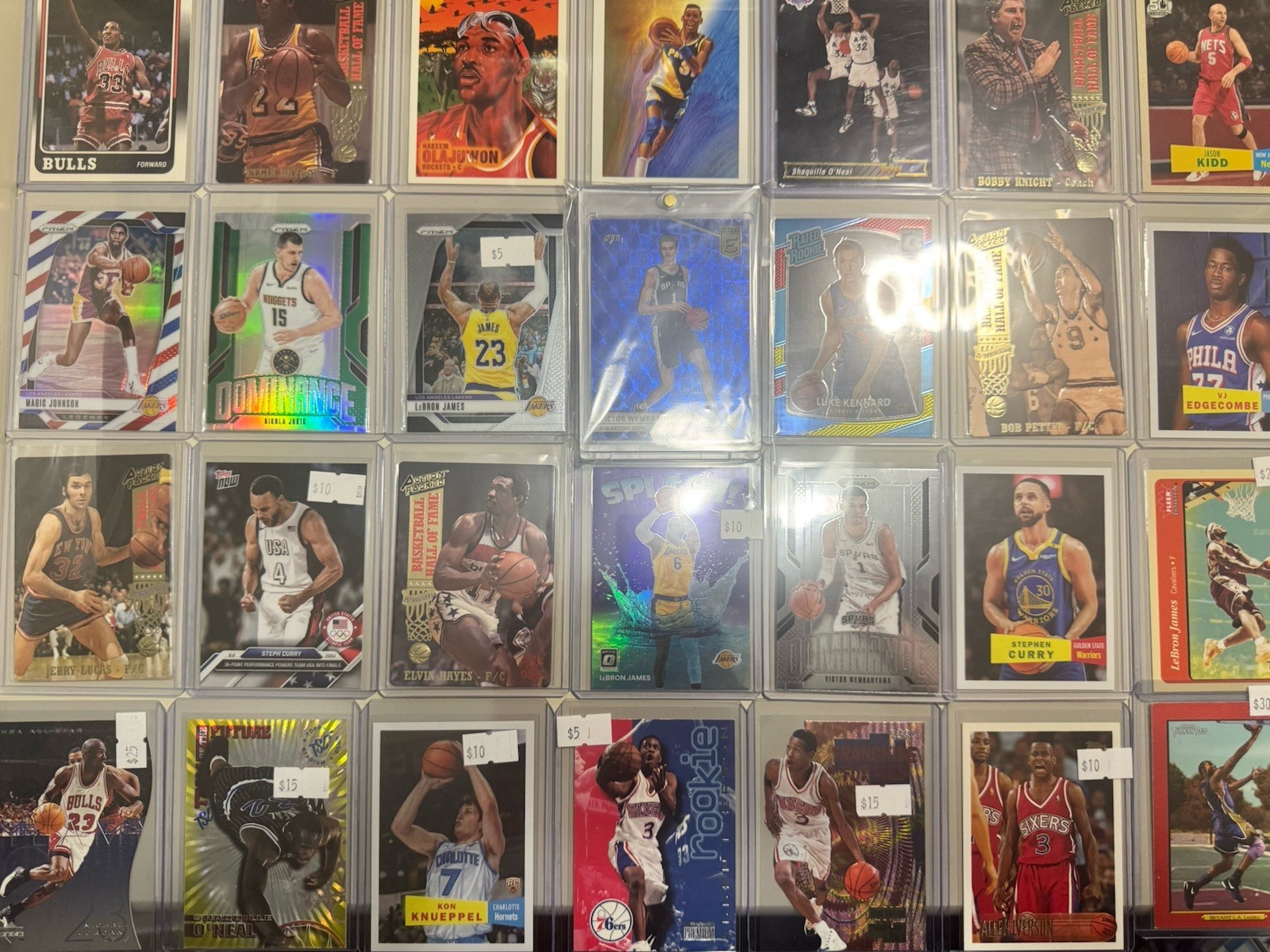

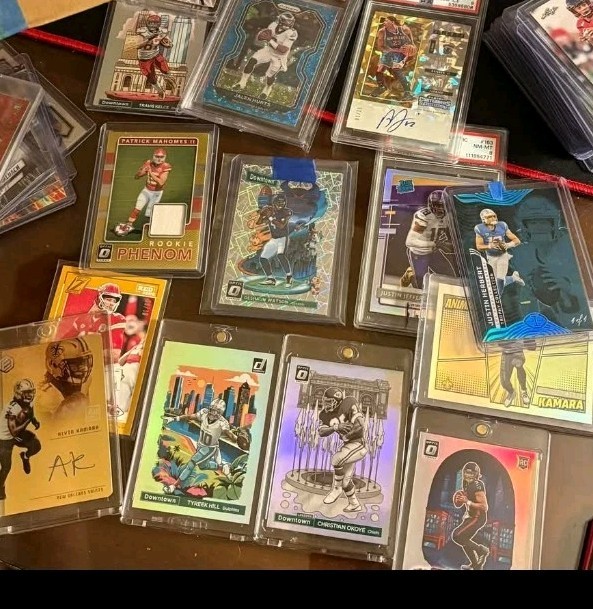


eBay links are affiliate links: JunkPal may earn a commission at no cost to you.
Resale values related to matte finish
Shop matte finish on eBay ↗


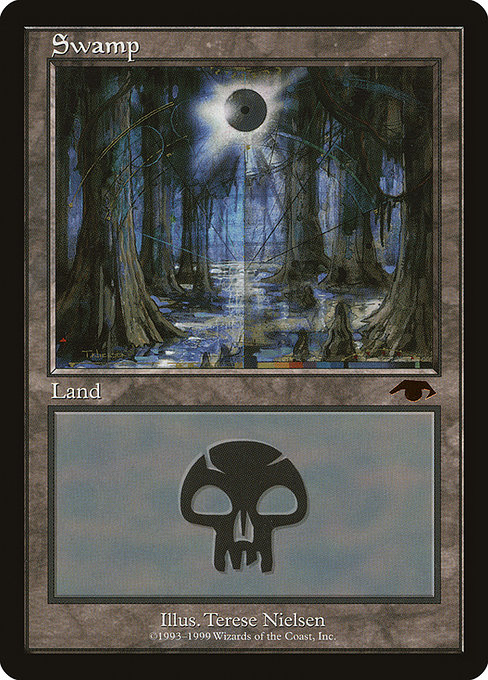
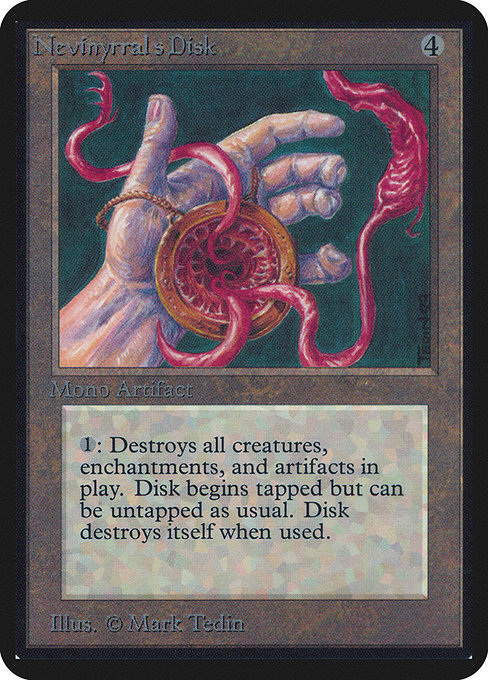
![Pikachu [Reverse Holo] #86](/api/images/junkpal-products/cards/pikachu-reverse-holo-86-pokemon-legendary-collection-card/img0/thumb.webp)
JunkPal may earn a commission when you buy through eBay links, at no extra cost to you.
What’s worth the most
Ranked on medians of real closed eBay sales, not asking prices.