What does “market value” mean?
What it means
Market value is the current, realistic secondary market price for a specific trading card. It is not the asking price; it is an informed estimate derived from verified past sales data, comparable active listings, and current market demand. This concept is the direct replacement for the general term "fair price" in this niche. Value is dictated by the card’s specific attributes: rarity, set inclusion, player relevance, and condition grade. Market value fluctuates based on supply shocks (e.g., limited print runs) or demand spikes (e.g., a player's career resurgence).
What it does to price
Condition creates the most significant multiplier. A Near Mint (NM) copy typically fetches 2x to 5x the price of a Played (LP) copy of the same card. A graded, PSA 10 copy can command 10x to 50x the price of a raw, ungraded copy, depending on the card's inherent rarity. Minor print defects or centering issues can reduce value by 15% to 30%. For instance, a common card selling for \$1.00 loose might sell for \$3.50 if it is certified PSA 9.
How to spot it
Accurate valuation requires scrutinizing the card's physical details. Check for edition markers (e.g., "1/100" vs. "1/500") and specific print variations. High-value cards often have subtle holo-pattern differences between print runs. Always request high-resolution, focused photos of the corners, edges, and surface. Common pitfalls include misidentifying a common parallel as a rare insert, or accepting a card with significant edge whitening as "Lightly Played."
Buying smart
Paying a premium is justified when the card is a proven staple of a high-demand set or features a player in peak market relevance. If the market value is derived from recent, verifiable sales data, the premium is warranted. A fair deal means the offer price is within 10% of the established market value for the specified condition. Overpaying significantly (e.g., 40%+ above recent sales averages) is speculative gambling, not investing.
Selling smart
Proving the card's quality directly translates to higher realized prices. A detailed listing must specify the condition grade (e.g., "NM-MT," "PSA 9"). For high-end sales, providing a clear, uncropped photo showing the card's entire surface, especially the corners, is mandatory. The single most effective word in a listing description is "Graded," as this immediately validates the condition and anchors the buyer to the higher end of the market value spectrum.
On eBay right now
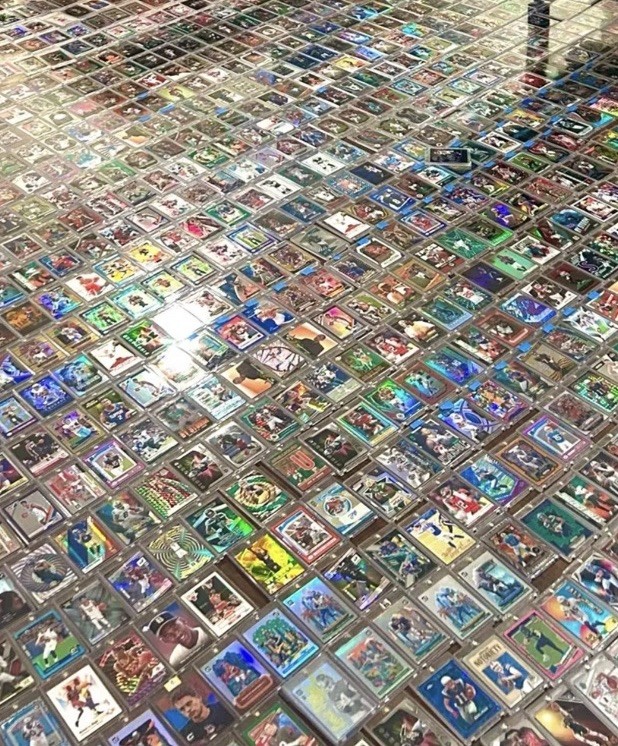
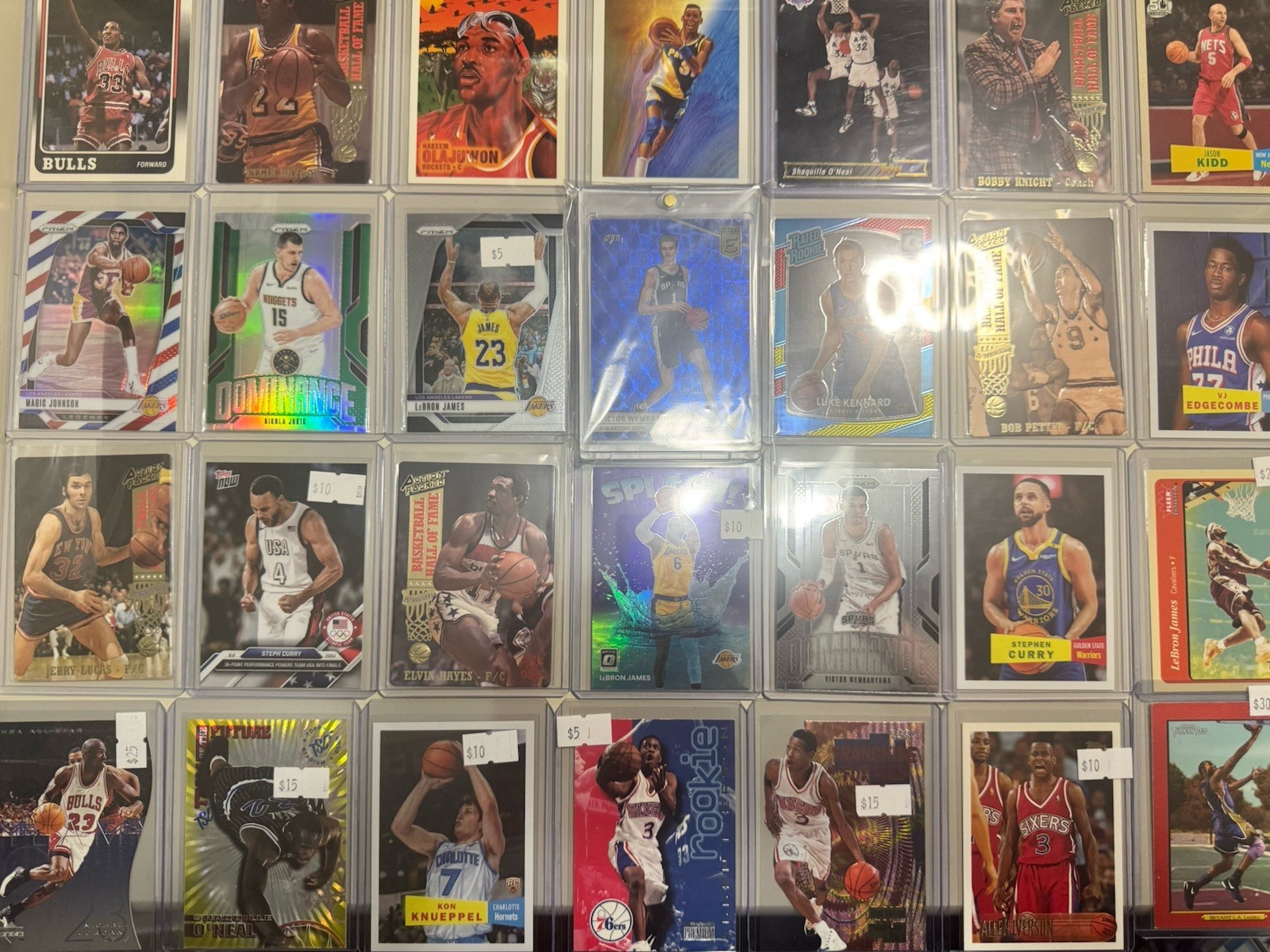
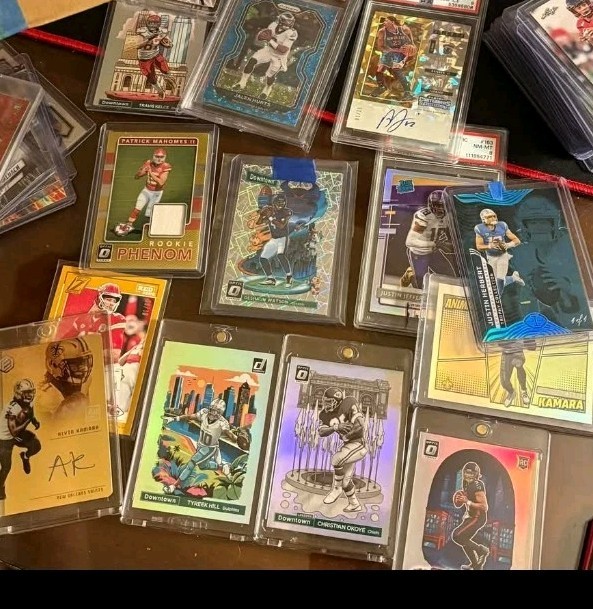
Current asking prices from live listings — not sold-comp medians.



eBay links are affiliate links: JunkPal may earn a commission at no cost to you.
Resale values related to market value
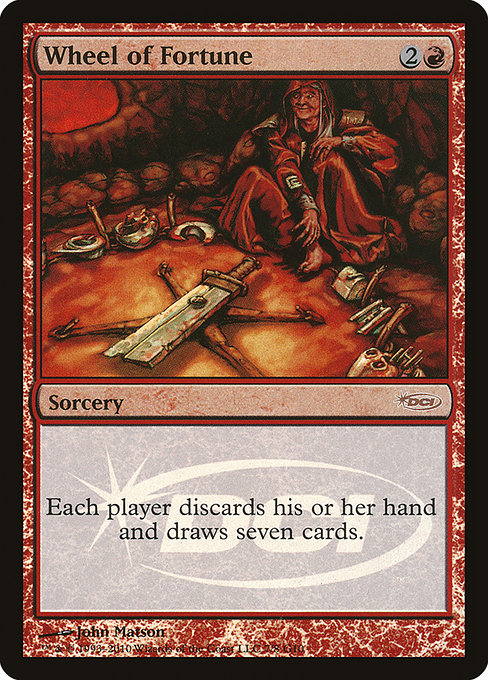
Shop market value on eBay ↗![Duel Link Dragon, the Duel Dragon [Ultra Rare] YCSW-EN012](/api/images/junkpal-products/cards/duel-link-dragon-the-duel-dragon-ultra-rare-ycsw-en012-yugioh-championship-series-card/img0/thumb.webp)
![Summoned Skull [Kid's WB Duelin' Monsters Giveaway] SDY-004](/api/images/junkpal-products/cards/summoned-skull-kid-s-wb-duelin-monsters-giveaway-sdy-004-yugioh-structure-deck-yugi-muto-card/img0/thumb.webp)
JunkPal may earn a commission when you buy through eBay links, at no extra cost to you.
What’s worth the most
Ranked on medians of real closed eBay sales, not asking prices.