What does “market trend” mean?
What it means
Market trend in trading cards describes the sustained, aggregate movement of demand and valuation for a specific subset of cards (e.g., rookie parallels, specific set releases). It is not about one card's fluctuation, but the collective trajectory of that card type. An upward trend signifies growing collector interest, scarcity perception, or mainstream media attention driving demand. A downward trend indicates market saturation, oversupply, or a general cooling of collector enthusiasm for that specific property or card type. This is the macro view of the market.
What it does to price
Market trends create directional pricing pressure. In a strong upward trend, a common card that might sell for \$5 loose can see its value increase to \$25 within a year if the trend accelerates. Conversely, during a downturn, a card valued at \$100 might drop to \$40 as demand evaporates. Price multipliers are heavily dependent on the trend strength. For a high-demand, trending card, a graded PSA 10 copy might command 4x to 8x the price of a raw, ungraded copy, whereas during a slump, this multiplier can compress to 1.5x or less.
How to spot it
Spotting a trend requires data aggregation, not just looking at one listing. Track auction results on major platforms for the target card over a minimum of six months. Look for consistency in the *rate* of price increase or decrease, not just the absolute price. Specific tells include: a sudden spike in sales volume for a previously niche card (signaling trend adoption), or consistent listing prices remaining stagnant despite new product releases (signaling market fatigue). Watch for rapid increases in aftermarket demand for specific chase inserts or rookie parallels.
Buying smart
Paying a premium is justified when the card is demonstrably on a sustained, proven upward trend, and the card quality (grade/condition) matches the established high-end sales data for that trend. If the trend is volatile or just beginning (speculative), only buy if the entry price is significantly below the established low-end benchmark for that card. A fair deal means the asking price is within 15-25% of the average recent sale price for comparable condition examples. Avoid buying into a trend solely because it "looks hot" without historical sales data backing it up.
Selling smart
Proving the card's condition and provenance directly impacts the premium achieved, especially when the market trend is positive. For high-value cards, having a third-party grade (PSA, BGS) is the single most effective way to secure the top end of the market. If the trend is strong, listing the card with the phrase "PSA 10 Gem Mint" immediately targets the highest-paying segment of the market, often netting 20-40% more than a raw listing. For mid-tier cards, clear, high-resolution photos showing corners and edges are the minimum requirement to prevent price erosion due to perceived condition risk.
On eBay right now
Current asking prices from live listings — not sold-comp medians.

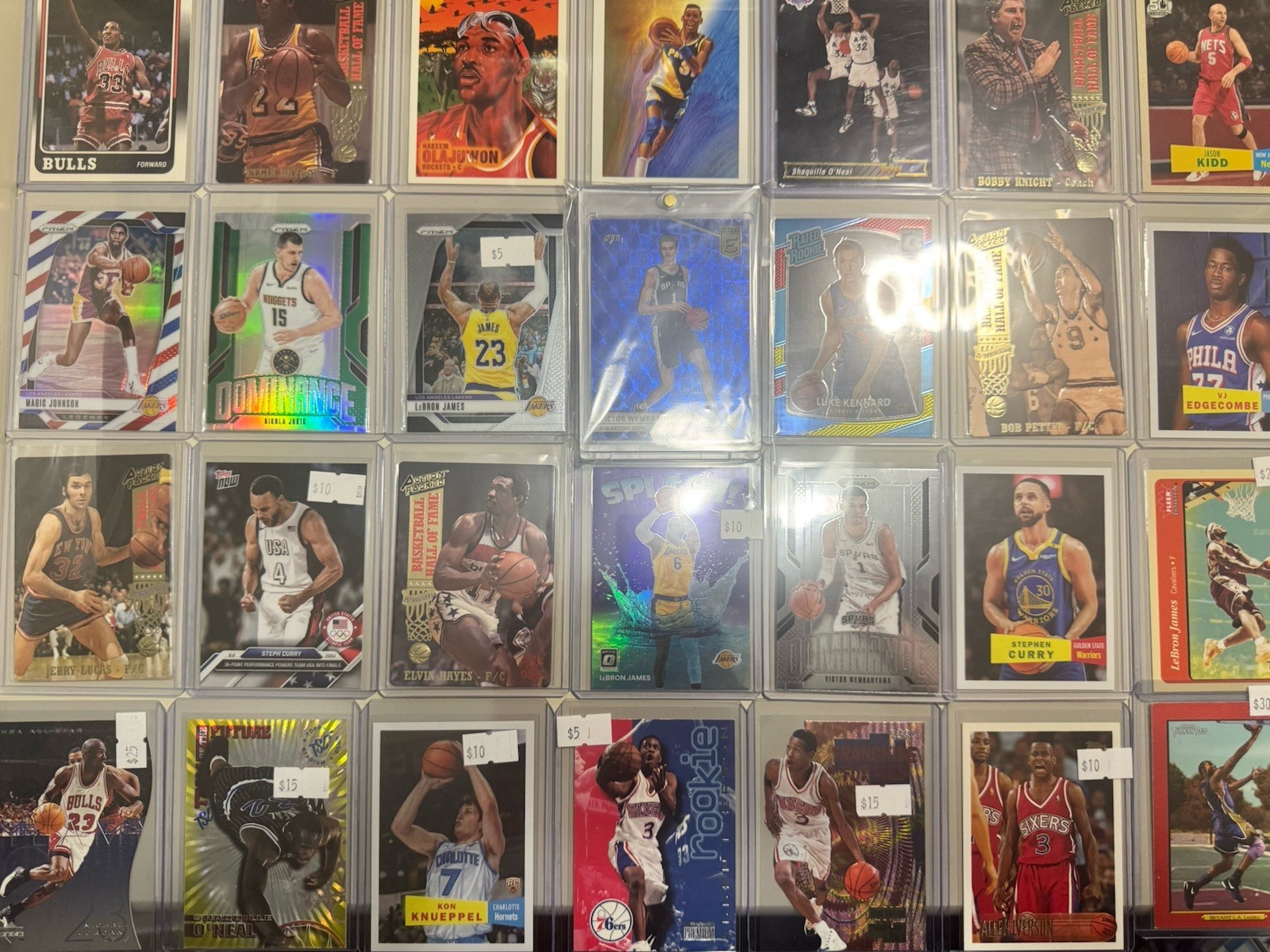
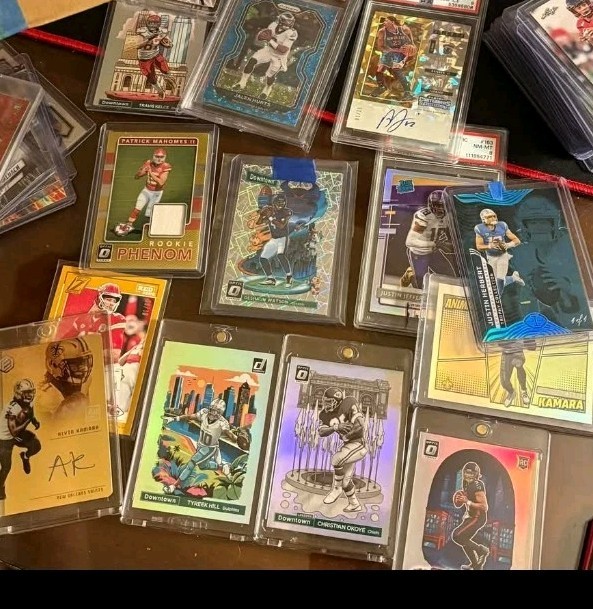

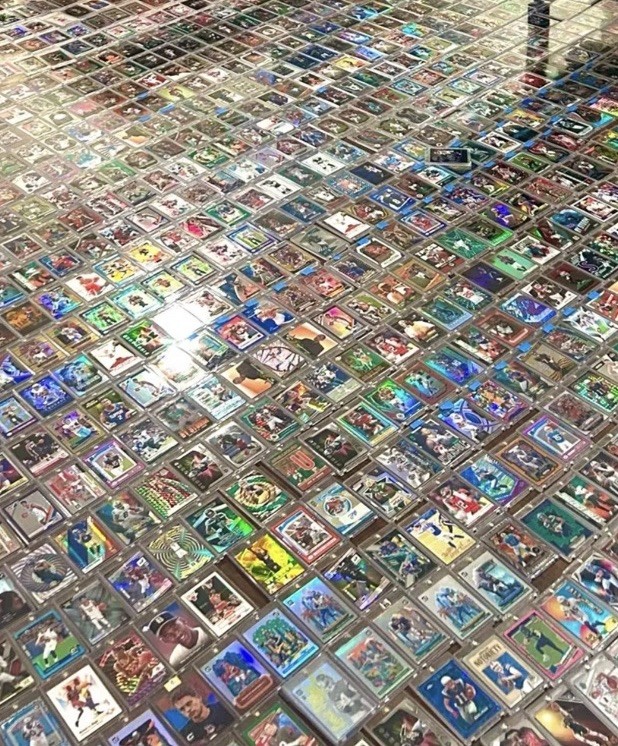

eBay links are affiliate links: JunkPal may earn a commission at no cost to you.
Resale values related to market trend
Shop market trend on eBay ↗

![Charizard [Box Topper] #S1](/api/images/junkpal-products/cards/charizard-box-topper-s1-pokemon-legendary-collection-card/img0/thumb.webp)


![Eevee [Sparkle] #133](/api/images/junkpal-products/cards/eevee-sparkle-133-pokemon-2000-topps-chrome-card/img0/thumb.webp)


JunkPal may earn a commission when you buy through eBay links, at no extra cost to you.
What’s worth the most
Ranked on medians of real closed eBay sales, not asking prices.