What does “manufacturer” mean?
What it means
The manufacturer is the corporate entity responsible for the original production of the trading card set. This is not the distributor or the retailer. It is the company that designed, printed, and released the specific card series. In the card collecting niche, the manufacturer acts as the primary identifier of the card's origin and production quality. For example, Topps is a manufacturer, just as Panini is. Identifying the correct manufacturer is the baseline step for accurate grading and market assessment, as different manufacturers use distinct printing processes and quality controls.
What it does to price
Manufacturer reputation directly influences baseline value. Cards from historically dominant or highly regarded manufacturers (e.g., vintage Topps, modern Panini Prizm) carry an inherent premium over cards from smaller, less established, or short-lived manufacturers. A common example: a base rookie card from a major manufacturer might fetch $50, whereas the same card from a minor, one-off manufacturer might sell for $15-$25, even if the card condition is identical. A recognized manufacturer's branding can provide a floor value, preventing extreme dips in market price.
How to spot it
The manufacturer is usually identified via the set logo, copyright date, or specific card back design. Look for subtle production markers unique to that company. Some manufacturers use specific card stock weights or printing methods that are visible under magnification. If a seller claims a card is from Manufacturer X but the card back design matches Manufacturer Y, it is a red flag. Request high-resolution photos of the card back and any visible copyright text. Common errors include mislabeling by third-party sellers or counterfeits that mimic the manufacturer's logo poorly.
Buying smart
Paying a premium based on manufacturer prestige is justified when the manufacturer is known for producing high-quality, desirable sets that are scarce or highly sought after. If a card is from a manufacturer known for low-quality print runs or obscure, low-demand sets, the premium is likely unwarranted. A fair deal involves matching the card's condition (e.g., Near Mint) against the known average sales data for that specific manufacturer's output. If the price is significantly above the average for the manufacturer's typical production quality, caution is required.
Selling smart
Listing the manufacturer clearly in the title and description is non-negotiable for maximizing return. Buyers filter searches by manufacturer. Simply listing "Baseball Card" is insufficient. Specifying "Topps 1989" immediately targets a specific, high-value buyer pool. The single most effective element to earn a premium is providing a clear, well-lit photo of the card back showing the manufacturer's copyright or logo. This instantly validates provenance and reduces buyer hesitation, allowing the seller to command a higher price point based on verified origin.
On eBay right now
Current asking prices from live listings — not sold-comp medians.
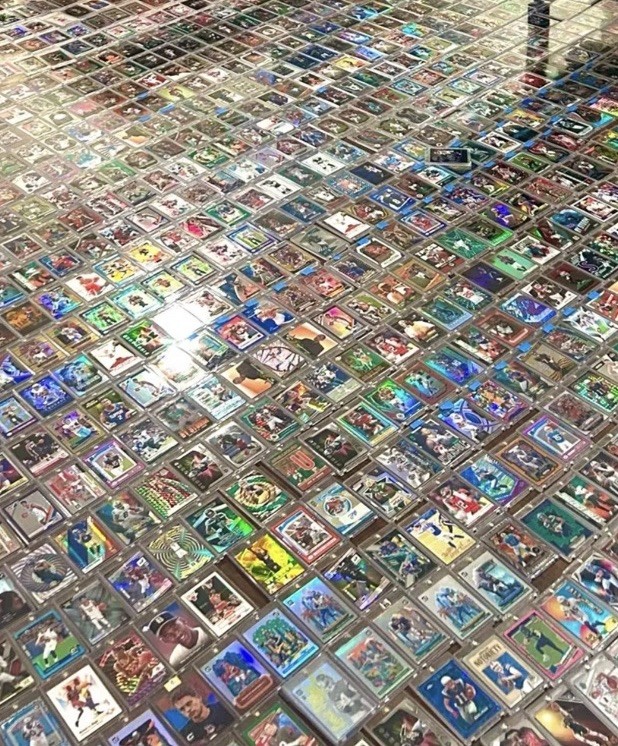
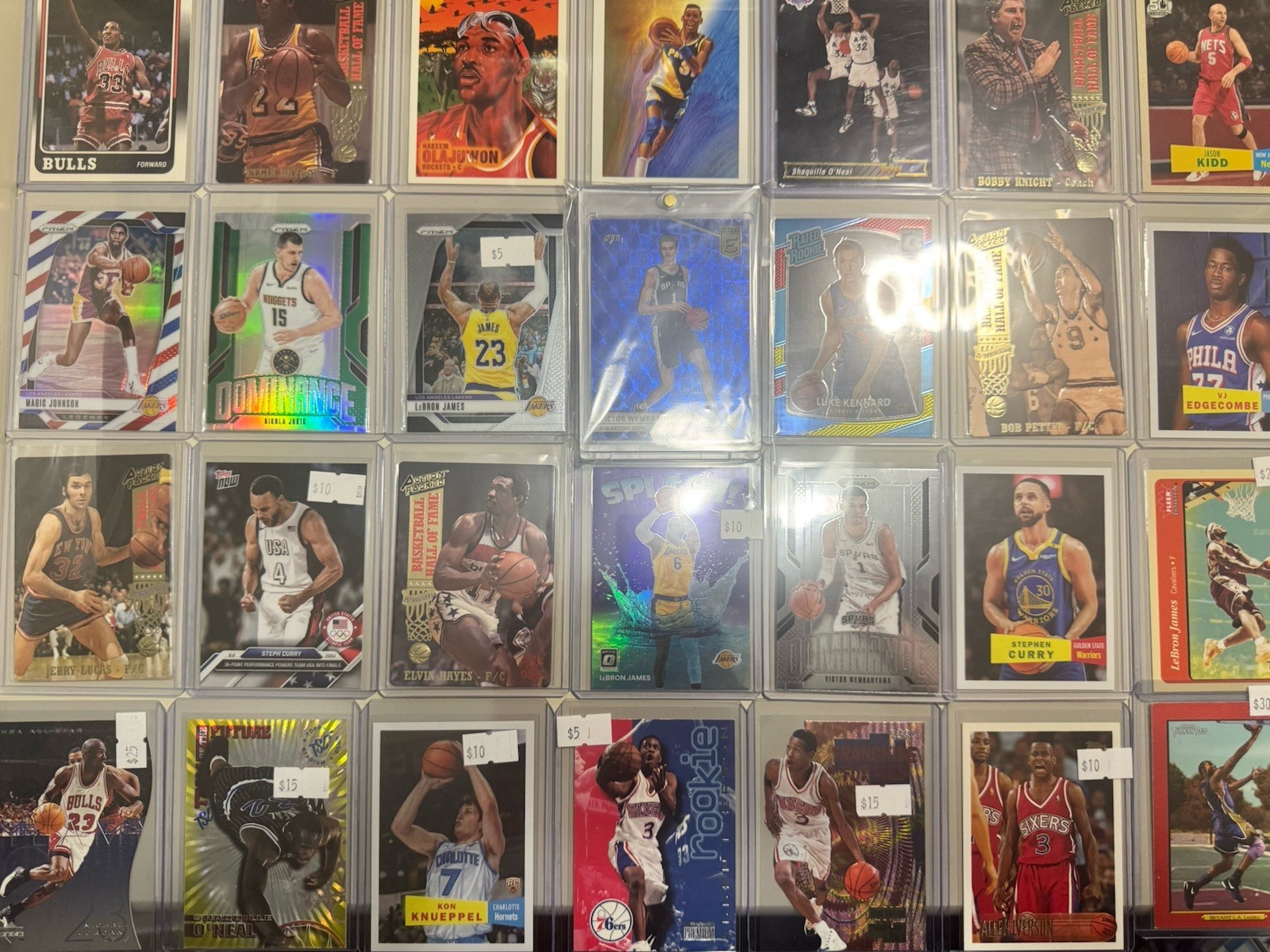

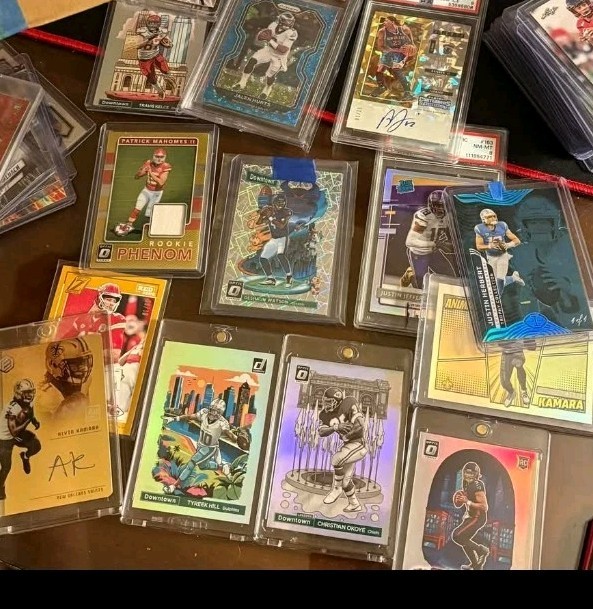


eBay links are affiliate links: JunkPal may earn a commission at no cost to you.
Resale values related to manufacturer
Shop manufacturer on eBay ↗
![Voltorb [Tekno] #100](/api/images/junkpal-products/cards/voltorb-tekno-100-pokemon-2000-topps-chrome-card/img0/thumb.webp)


JunkPal may earn a commission when you buy through eBay links, at no extra cost to you.
What’s worth the most
Ranked on medians of real closed eBay sales, not asking prices.